
If you live in Texas or are considering a move to the Lone Star State, comparing energy providers in Texas is one of the smartest financial decisions you can make. Unlike most states where a single utility company controls the entire electricity supply chain, Texas operates under a fully deregulated energy market that gives consumers the power to choose their electricity provider. This unique system creates competition, drives lower rates, and opens the door to dozens of plans designed for different lifestyles and budgets. But with so many options on the table, how do you know which plan actually delivers the best value? This comprehensive guide walks you through everything you need to know about comparing energy providers in Texas, from understanding deregulation to decoding plan types, pricing structures, and hidden fees.
Why Comparing Energy Providers in Texas Matters
The Texas electricity market is one of the most competitive in the nation. With over 100 retail electric providers (REPs) serving millions of customers across the state, the difference between the cheapest plan and the most expensive plan can be dramatic — sometimes saving or costing you hundreds of dollars per year. Comparing energy providers Texas is not just about finding a low rate; it is about finding a plan that aligns with your usage patterns, values, and long-term financial goals. Many Texans stick with their default utility provider out of habit or convenience, unknowingly paying a premium compared to what they could save by shopping the open market.
The deregulated market means that the company delivering electricity to your home (the transmission and distribution utility, or TDU) is separate from the company billing you for that electricity. This separation is the foundation of consumer choice in Texas. When you compare energy providers Texas, you are comparing the rate per kilowatt-hour (kWh), contract terms, renewable energy options, customer service reputation, and additional perks like bill credits or rewards programs.
How Texas Electricity Deregulation Works
Understanding the deregulated energy market Texas is essential before you start comparing plans. Deregulation began in 2002 under Senate Bill 7, which broke up the monopoly held by utilities and opened electricity generation and retail supply to competition. Today, approximately 85% of Texas households live in deregulated areas, spanning major cities like Houston, Dallas, Fort Worth, Austin, and San Antonio.
Here is how the system works in practice:
- Transmission and Distribution Utilities (TDUs) — Companies like Oncor, CenterPoint Energy, and AEP Texas own and maintain the poles, wires, and infrastructure that deliver electricity to your home. They handle outages and meter reading regardless of which REP you choose.
- Retail Electric Providers (REPs) — These are the companies you compare and choose from. They generate or purchase electricity and sell it to you under specific plan terms.
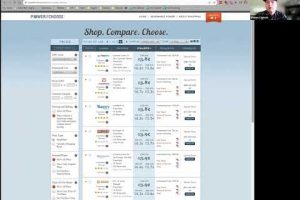
- The Public Utility Commission of Texas (PUCT) — This state agency regulates the market, sets rules, and maintains the Power to Choose platform where consumers can browse plans.
When you compare electricity providers Texas, you are not choosing who delivers power to your house — that stays the same. You are choosing who supplies your electricity and under what contractual terms.
Key Factors to Compare When Choosing a Texas Energy Provider

Not all energy plans are created equal. Before you commit to a provider, evaluate these critical factors that directly impact your monthly bill and overall satisfaction.
Rate Type: Fixed vs. Variable vs. Indexed
The type of rate plan you select is the single most important decision in your comparison process.
- Fixed-rate plans — Your price per kWh stays constant for the duration of the contract, typically 6 to 36 months. These plans protect you from market spikes and are ideal for budget-conscious consumers who want predictability.
- Variable-rate plans — Your rate fluctuates with the wholesale market each month. These plans often have no contract term and no cancellation fee, but they expose you to price volatility during peak demand periods like summer heat waves.
- Indexed plans — These tie your rate to an external index, such as the ERCOT wholesale index. They are less common but can offer savings when the index is low and risks when it rises sharply.
Contract Length and Early Termination Fees
Short-term plans give you flexibility but often carry slightly higher rates. Long-term plans may offer lower prices but lock you in for 12 to 36 months. Always check the early termination fee before signing — some providers charge $50 or more per remaining month on the contract.
Renewable Energy Options
Texas leads the nation in wind energy production, and many providers offer green energy plans Texas that source electricity from wind, solar, or other renewable resources. If sustainability matters to you, this is a key criterion when you compare Texas electricity providers.
Fees and Surcharges
Beyond the advertised rate, watch for transmission and distribution fees, base charges, and minimum usage fees. Some providers lure customers with a rock-bottom kWh rate but offset it with high monthly fees that inflate the bill.
Top Energy Providers in Texas Compared
The following table compares some of the most popular energy providers in Texas based on plan variety, customer satisfaction, renewable options, and overall reputation. This data is based on publicly available information and customer reviews as of recent market evaluations.
| Provider | Plan Variety | Renewable Options | Typical Contract Terms | Notable Feature |
| Reliant Energy | Extensive | Yes — multiple green plans | 1-36 months | Weekends free electricity |
| TXU Energy | Wide selection | Yes | 3-36 months | Transparent pricing, no deposit plans |
| Gexa Energy | Moderate | Yes — 100% renewable plans | 6-36 months | Green lifestyle focus |
| Direct Energy | Broad portfolio | Yes | 1-36 months | Refer-a-friend rewards |
| Cirro Energy | Growing selection | Yes | 6-24 months | Competitive fixed rates |
| Amigo Energy | Good variety | Limited green plans | 6-36 months | Personalized customer service |
Keep in mind that the best energy provider for your home depends on your location within Texas, since not all REPs serve every service area. Your TDU territory determines which providers are available to you. Use the PUCT’s Power to Choose website or a third-party comparison tool to see exactly which plans are offered at your specific address.
How to Read an Electricity Plan Comparison
When you are side by side comparing energy providers Texas, pay close attention to the Electricity Facts Label (EFL). Every plan sold in Texas is required by the PUCT to include an EFL that spells out the exact rate, fees, contract terms, and renewable energy percentage. Do not rely on the headline rate alone — always calculate the all-in cost by factoring in TDU delivery charges, which are the same across providers but vary by region.
Tips for Finding the Best Energy Plan in Texas
Here are expert-backed strategies that will help you make the most informed decision when you compare Texas energy plans:
- Compare during off-peak seasons. Spring and fall often feature lower rates than the scorching summer months when demand surges.
- Check your historical usage. Look at your past 12 months of electricity bills to understand your average monthly consumption, then compare plans based on that usage tier.
- Watch for welcome bonuses. Many providers offer bill credits or gift cards for new customers, which can effectively reduce your first few months’ costs.
- Set a calendar reminder. If you are on a fixed-term plan, set a reminder 30 days before expiration so you can re-evaluate your options and avoid rolling into a more expensive variable plan.
- Read reviews on the PUCT website. Consumer complaints filed with the PUCT reveal patterns of billing issues, poor customer service, and misleading marketing that no advertisement will disclose.
Common Mistakes to Avoid When Comparing Energy Providers
Even savvy consumers fall into traps when shopping for Texas electricity. Avoid these pitfalls:
- Choosing based solely on the lowest kWh rate. A plan with the lowest advertised rate may have steep monthly fees or a short contract that expires right when summer rates spike.
- Ignoring the EFL. The Electricity Facts Label contains every detail you need to make an apples-to-apples comparison. Skipping it means you might not understand the true cost structure.
- Overlooking your credit score impact. Some providers require a deposit or credit check. Knowing this upfront prevents surprises at signup.
- Assuming all providers serve your area. Your TDU territory limits which REPs you can choose. Always verify availability for your specific zip code first.
Frequently Asked Questions
What are the cheapest energy providers in Texas?
The cheapest energy provider in Texas changes frequently based on market conditions, time of year, and your specific location. Plans from providers like Gexa Energy, Cirro Energy, and Verde Energy often rank among the most affordable in competitive regions. The best way to find the lowest rate for your home is to enter your zip code on the PUCT’s Power to Choose platform or use a trusted third-party comparison site that pulls real-time rates from multiple Texas electricity providers.
Can I switch energy providers in Texas without interruption to my service?
Yes. Switching providers in Texas is a seamless process. Your local TDU continues to deliver electricity throughout the transition. The switch typically takes between 7 and 21 days, and you will not experience any service downtime. Your new provider will coordinate with your current provider and the TDU to ensure a smooth handoff.
Are there green energy options available through Texas providers?
Absolutely. Texas is a national leader in renewable energy, and many retail providers offer 100% renewable energy plans powered by wind and solar. Gexa Energy and Green Mountain Energy are among the providers that specialize in green plans. When you compare green energy plans Texas, check the EFL for the percentage of renewable energy sourced and whether the provider purchases Renewable Energy Certificates (RECs) or generates power directly from renewable facilities.
What is the difference between a REP and a TDU in Texas?
A Retail Electric Provider (REP) is the company you choose that sells you electricity and bills you each month — it is the company you compare and switch between. A Transmission and Distribution Utility (TDU) is the company that owns the physical infrastructure — power lines, poles, and meters — and delivers electricity to your home regardless of which REP you select. You cannot choose your TDU, but you have full control over which REP supplies your electricity.
How often should I compare energy providers in Texas?
It is recommended to compare energy plans Texas at least once a year, and ideally before your current contract expires. Electricity rates fluctuate with wholesale market prices, seasonal demand, and regulatory changes. Setting a reminder 30 days before your contract end date ensures you never miss an opportunity to lock in a better rate or switch to a plan that better suits your needs.
Conclusion
The ability to compare energy providers in Texas is one of the most powerful consumer tools available in the deregulated energy market. By understanding how the Texas electricity system works, evaluating the right factors, and avoiding common mistakes, you can secure a plan that saves you money, aligns with your values, and provides reliable service. Do not settle for the default option — take the time to shop, compare, and choose. Your wallet will thank you for it. Whether you prioritize low rates, renewable energy, flexible contract terms, or exceptional customer service, the competitive Texas market has a plan that fits your needs. Start your comparison today and take control of your electricity costs.