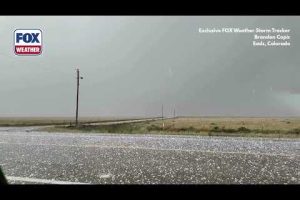
When dark clouds roll in and the sky turns an eerie greenish hue, knowing what a hail storm warning means can be the difference between staying safe and facing costly damage. Hail storms are among the most destructive weather events on the planet, causing billions of dollars in property and crop damage every single year. Whether you are a homeowner in the Midwest, a fleet manager overseeing commercial vehicles, or simply someone who wants to understand severe weather alerts, understanding hail storm warnings is essential. This comprehensive guide breaks down everything you need to know about hail storm warnings, from how they are issued to the best ways to protect yourself, your property, and your vehicles before the next severe storm hits.
What Is a Hail Storm Warning?
A hail storm warning is a formal alert issued by meteorological agencies to notify the public that hail capable of causing significant damage is imminent or already occurring in a specific area. Unlike general storm advisories, a hail warning specifically indicates that hailstone size, wind speed, and storm intensity have reached thresholds that pose a real threat to people, structures, and infrastructure. These warnings are typically issued by national weather services such as NOAA’s National Weather Service in the United States, Environment and Climate Change Canada, the Met Office in the UK, and equivalent agencies worldwide.
It is important to distinguish a hail storm warning from a hail watch. A hail watch means conditions are favorable for hail development, while a hail warning means hail has been sighted by radar, spotters, or storm chasers and is actively affecting or about to affect your location. This distinction matters because the urgency level — and the actions you should take — differ significantly between the two alerts.
How Hail Storm Warnings Are Issued and Categorized
Understanding how meteorological agencies categorize and issue severe hail warnings helps you gauge the actual level of danger. Not all hail storms are equal, and warning systems reflect this reality through tiered alert levels based on stone size, storm duration, and potential impact.
The Science Behind Hail Formation
Hail forms inside powerful thunderstorm updrafts, where raindrops are carried high into the atmosphere and freeze. As these ice particles cycle through the storm, they accumulate layers of ice and grow in size. The stronger the updraft, the larger the hailstone can become. Stones larger than one inch in diameter — roughly the size of a quarter — are considered severe by most weather services and trigger formal warnings. However, even smaller hail can cause damage to crops, roofs, and vehicles, which is why meteorologists pay close attention to storm intensity and trajectory when issuing alerts.
Warning vs. Watch: Understanding the Difference
The terminology used in weather alert systems can be confusing, but the distinction is straightforward:
- Hail Watch: Conditions are right for hail development. Monitor weather updates closely and prepare.
- Hail Warning: Hail is occurring or imminent. Take immediate protective action.
- Severe Thunderstorm Warning: Storms producing hail one inch or larger, winds exceeding 58 mph, or dangerous lightning have been detected.
Receiving a hail storm warning means you should act quickly. Delayed responses often lead to preventable property damage and personal injury.
Key Signs and Indicators of an Approaching Hail Storm
While official warnings are the most reliable source of information, there are several observable signs that a hail storm may be approaching. Experienced storm watchers and seasoned homeowners often rely on these natural indicators as additional layers of awareness.
- Green or yellowish sky: A noticeably green or dark green hue in the sky often signals large hail formation due to the way light refracts through dense, moisture-heavy storm clouds.
- Sudden temperature drops: A rapid cool-down in temperature, especially combined with shifting winds, can indicate a severe storm cell moving in.
- Rotating wall clouds: These low, rotating cloud formations beneath a thunderstorm can signal the potential for large hail, destructive winds, and even tornadoes.
- Unusual silence or calm: Sometimes, the air goes eerily still right before a severe storm breaks. This lull can be a warning sign that a strong updraft is building.
- Radar alerts: Checking real-time weather radar through apps or local weather channels provides the most accurate, real-time confirmation of hail movement and storm intensity.
Staying aware of these signs gives you a critical head start when a hail storm warning is officially issued, allowing you to move vehicles, secure outdoor items, and shelter indoors well in advance.
How to Prepare for a Hail Storm Warning
Preparation is the single most effective way to minimize damage and ensure safety when a hail storm warning is active. Here is a detailed action plan you should follow:

Before the Storm
- Move all vehicles into a garage, carport, or covered parking structure.
- Install impact-resistant roofing materials or apply hail-resistant roof coatings if you live in a hail-prone region.
- Secure or bring indoors any patio furniture, trash cans, outdoor decorations, and other objects that could become projectiles.
- Trim overhanging tree branches that could break and cause additional damage during high winds.
- Keep an emergency kit stocked with flashlights, bottled water, first-aid supplies, and a battery-powered weather radio.
- Install storm shutters or heavy-duty window coverings to protect against breaking glass from large hailstones.
During the Storm

- Stay indoors and move away from windows, skylights, and glass doors.
- If you are driving, pull over safely under a bridge or overpass and protect your face with a jacket or blanket.
- Do not go outside to retrieve pets or belongings during the storm — the risk of injury from large hail is too great.
- Unplug sensitive electronics to protect against power surges caused by lightning strikes associated with severe storms.
After the Storm
- Wait at least 30 minutes after the last rumble of thunder before going outside.
- Document all damage with photographs and videos for insurance claims.
- Check your roof, gutters, and siding for dents, cracks, or missing shingles.
- Contact a licensed roofing contractor or auto body specialist for professional damage assessment.
Comparing Hail Storm Warning Systems Around the World
Different countries have developed distinct hail storm warning systems based on their geographic risk profiles, climatological data, and available technology. Understanding these differences can be especially valuable for travelers, logistics companies, and anyone who relocates to a new region with different weather risks.
| Country/Region | Issuing Agency | Primary Alert Method | Hail Size Threshold for Severe Warning |
| United States | NOAA / NWS | Wireless Emergency Alerts, NOAA Weather Radio, apps | 1 inch or larger |
| Canada | Environment and Climate Change Canada | WeatherCAN app, broadcast alerts | 2 cm or larger |
| Australia | Bureau of Meteorology | Emergency Alert SMS, BOM website | 2 cm or larger |
| Germany | Deutscher Wetterdienst (DWD) | Katwarn app, media broadcasts | 2 cm or larger |
| United Kingdom | Met Office | Website warnings, social media | No specific size threshold; based on impact |
The comparison table above shows that while most countries set a stone size threshold for severe hail warnings, the United Kingdom uses an impact-based approach. This means warnings are issued based on the expected damage and disruption rather than a fixed measurement, reflecting the UK’s lower overall hail frequency compared to the Great Plains of the United States, which is globally recognized as the most hail-prone region.
Protecting Your Property and Vehicles During a Hail Storm
When a severe hail warning is in effect, proactive protection can save thousands of dollars in repair costs. For vehicle owners, investing in a quality hail cover or parking in a covered structure is the most effective preventive measure. For homeowners, impact-resistant roofing shingles rated Class 3 or Class 4 under UL 2218 testing standards offer the best defense against hail damage. Metal roofs, while durable, can still sustain cosmetic dents from large hailstones, so applying a hail-resistant coating adds an extra layer of protection.
Insurance coverage is another critical consideration. Many standard homeowners and auto insurance policies include hail damage coverage, but deductibles and claim limits vary widely. Reviewing your policy before storm season begins ensures you are not caught off guard when filing a claim after a major hail event. Some insurers now offer specific hail damage riders or endorsements for properties in high-risk zones, which can provide additional peace of mind.
For businesses, especially those with outdoor inventory, roofing assets, or fleet vehicles, developing a comprehensive severe weather response plan is not optional — it is a operational necessity. Partnering with local weather alert services and integrating automated notification systems into your business continuity plan can dramatically reduce response time and limit financial losses.
Long-Tail Keyword FAQs
What should you do when a hail storm warning is issued for your area?
When a hail storm warning is issued, the most important action is to move indoors immediately and stay away from windows. If you are driving, find safe shelter and park under cover if possible. Bring pets and children inside, secure any loose outdoor objects, and keep your phone charged so you can receive emergency updates. Avoid going outside until the warning has been lifted and at least 30 minutes have passed since the last thunder.
How accurate are hail storm warnings from the National Weather Service?

Hail storm warnings issued by the National Weather Service are highly accurate for the general area and timeframe specified, typically covering a 30- to 60-minute window. Advancements in dual-polarization radar technology have significantly improved the precision of hail detection and size estimation. However, localized variations in storm intensity can mean that some neighborhoods experience heavier hail than others within the same warning zone.
Can a hail storm warning predict the exact size of hailstones before they fall?
Modern weather radar can estimate hailstone size within a reasonable margin, but it cannot predict the exact size with pinpoint accuracy. Meteorologists use radar reflectivity values and hail suppression algorithms to forecast likely stone sizes, but ground truth measurements can vary. Severe thunderstorm warnings based on radar data remain the best available tool for anticipating hail severity before stones actually reach the ground.
What types of roofing materials offer the best protection during a hail storm warning?
Impact-resistant asphalt shingles rated Class 4 under UL 2218 testing provide the highest level of hail protection for residential roofs. Metal roofing with a proper hail-resistant coating is another excellent option, though it may sustain cosmetic dents. Concrete and clay tile roofs generally perform well against moderate hail, but can crack under large, high-velocity stones. Ultimately, the best roofing choice depends on your local climate, budget, and the frequency of severe hail events in your area.
How long does a typical hail storm warning last before severe weather arrives?
A hail storm warning is usually issued 15 to 45 minutes before the storm reaches a particular area, depending on storm speed and radar detection timing. Fast-moving supercell storms can reduce this window significantly, sometimes giving residents only 10 to 15 minutes of advance notice. This is why having multiple alert channels — such as a weather app with push notifications, a NOAA Weather Radio, and local news alerts — is strongly recommended for anyone in a hail-prone region.
Conclusion
A hail storm warning is far more than a simple weather notification — it is a critical piece of information that can protect your life, your property, and your financial well-being. By understanding how warnings are issued, recognizing the signs of an approaching storm, and taking deliberate preparation steps, you position yourself to weather even the most severe hailstorms with confidence. Invest in impact-resistant materials, maintain a robust insurance policy, and stay informed through reliable alert systems. The next time the sky turns green and your phone buzzes with a hail storm warning, you will know exactly what to do and how to respond effectively.