When summer temperatures soar or humid climates make indoor spaces unbearable, the right air conditioning unit can transform your comfort levels entirely. Whether you are upgrading a worn-out system in a residential home or selecting cooling equipment for a commercial space, understanding what makes an air conditioner unit tick — and which type suits your specific needs — is essential. This guide dives deep into everything you need to know about modern AC units, from core technology and energy ratings to installation considerations and long-term maintenance strategies. Let us break it all down.
What Exactly Is an Air Conditioning Unit?
An air conditioner unit is a self-contained system designed to regulate indoor temperature, humidity, and air quality. At its core, the unit uses a refrigeration cycle to extract heat from inside a space and expel it outdoors, leaving behind cooler, drier air. While most people associate AC units with window-mounted boxes or split-system indoor handlers, the technology has evolved dramatically. Today’s units range from compact portable devices to massive central ducted systems capable of cooling entire buildings with precision.
The term “air conditioner unit” encompasses far more than just a cooling machine. Modern systems also filter dust, pollen, and allergens, control moisture levels, and in some advanced models, even purify indoor air using UV light or ionization technology. Understanding this broader scope is critical when choosing the right system for your home or business.
Types of Air Conditioner Units
Not every AC unit is built the same way. The type you choose depends on your budget, the size of the space, installation constraints, and your cooling preferences. Here is a detailed look at the most common options available on the market today.
1. Window-Mounted AC Units
Window AC units remain one of the most popular choices for single-room cooling. These self-contained systems fit into a window frame, with the compressor and condenser on the outside and the evaporator on the inside. They are affordable, relatively easy to install, and ideal for apartments or small rooms up to 350 square feet.
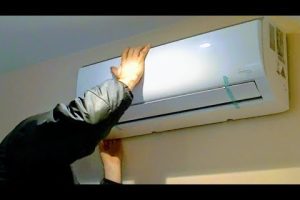
2. Split-System Air Conditioners

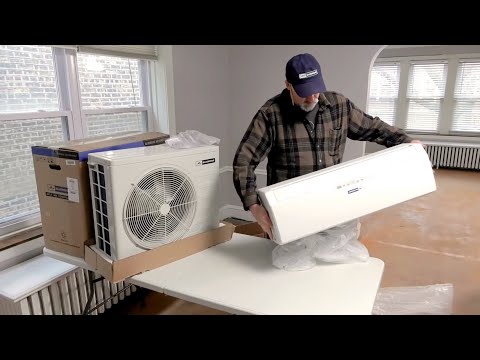
A split AC unit consists of two main components: an outdoor compressor/condenser unit and an indoor air handler connected by refrigerant lines. This design is quieter than window units and offers more flexibility in terms of aesthetics and airflow distribution. Mini-split systems, also known as ductless units, are a prime example and are increasingly popular for room additions or homes without existing ductwork.
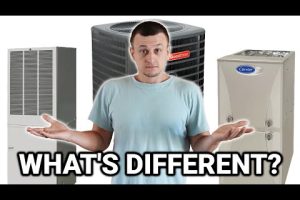
3. Central Air Conditioning Systems
Central AC units use a network of ducts to distribute cooled air throughout an entire house or building. These systems typically include a large outdoor condensing unit and an indoor evaporator coil paired with a furnace or air handler. Central systems provide uniform cooling and improved indoor air quality when combined with proper filtration.
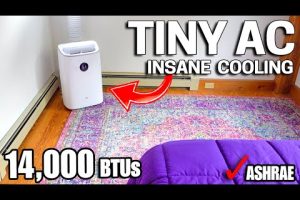
4. Portable Air Conditioners
For renters or those who cannot install permanent systems, portable AC units offer a flexible solution. These standalone units sit on the floor and vent hot air through a window exhaust hose. While they are less energy-efficient than fixed installations, their mobility makes them a practical temporary cooling option.
5. Packaged Terminal AC Units
Commonly found in hotels, hospitals, and commercial offices, packaged terminal AC units (PTACs) are self-contained systems installed through an exterior wall. They provide both heating and cooling and are operated by individual thermostatic controls in each room.
How Does an Air Conditioner Unit Work?
Understanding the basic mechanics of your AC unit helps you appreciate why maintenance matters and how to troubleshoot common issues. The refrigeration cycle operates in four key stages:
- Evaporation: Warm indoor air passes over cold evaporator coils filled with refrigerant. The refrigerant absorbs heat from the air, turning from a liquid into a gas.
- Compression: The compressor pressurizes the gaseous refrigerant, raising its temperature significantly.
- Condensation: The hot, pressurized gas flows to the outdoor condenser coil, where it releases absorbed heat into the outside air and condenses back into a liquid.
- Expansion: The liquid refrigerant passes through an expansion valve, dropping in pressure and temperature before returning to the evaporator to repeat the cycle.
This continuous loop is what keeps your living or working space at a comfortable temperature. A well-maintained unit will cycle efficiently; a neglected one will struggle, waste energy, and eventually fail prematurely.
Key Features to Look For When Buying an AC Unit
With so many options on the market, selecting the right air conditioner unit can feel overwhelming. Here are the most important factors to evaluate before making a purchase decision.
Cooling Capacity (BTU Rating)
British Thermal Units (BTUs) measure how much heat an AC unit can remove per hour. A general rule of thumb is 20 BTUs per square foot of living space. Undersized units will run constantly without reaching the desired temperature, while oversized units will short-cycle and waste electricity.

Energy Efficiency Ratings
Look for the Seasonal Energy Efficiency Ratio (SEER) rating. Higher SEER numbers indicate greater efficiency. The minimum SEER rating required in many regions is now 14 or 15, but premium units reach 20 or above, delivering significant long-term savings on utility bills.

Smart Controls and Connectivity
Modern AC units increasingly feature Wi-Fi connectivity, programmable thermostats, and compatibility with smart home ecosystems like Google Home and Amazon Alexa. These features allow you to monitor and adjust cooling remotely, set schedules, and track energy usage in real time.
Noise Levels
Decibel ratings vary significantly between models. Window units typically operate between 40 and 60 dB, while high-quality split systems can run as quietly as 19 dB on their lowest setting — barely perceptible in a living environment.
Air Filtration and Indoor Air Quality
Premium units come equipped with multi-stage filtration systems, activated carbon filters, or even HEPA-grade filters that capture microscopic particles, mold spores, and volatile organic compounds (VOCs) circulating in indoor air.
Comparison Table: AC Unit Types at a Glance
| Type | Best For | Installation Difficulty | Avg. Cost Range | Lifespan |
| Window AC Unit | Single rooms, apartments | Easy | $200–$800 | 8–12 years |
| Split System (Mini-Split) | Room additions, ductless homes | Moderate | $1,500–$5,000 | 12–20 years |
| Central AC System | Whole-house cooling | Complex | $3,000–$10,000+ | 15–20 years |
| Portable AC | Temporary/temporary use | Very Easy | $250–$600 | 5–8 years |
| PTAC Unit | Commercial rooms, hotels | Moderate | $1,000–$3,000 | 10–15 years |
Air Conditioner Unit Maintenance Tips
Even the most expensive cooling system will underperform without consistent care. Here is a practical maintenance routine that extends the lifespan of your AC unit and keeps it running efficiently year after year.
- Clean or replace filters every 1–3 months. Clogged filters restrict airflow, forcing the compressor to work harder and increasing energy consumption by up to 15%.
- Clear debris from the outdoor condenser unit. Leaves, dirt, and grass clippings can obstruct the condenser coils and reduce heat dissipation efficiency.
- Check refrigerant levels annually. Low refrigerant indicates a leak, which not only reduces cooling performance but also damages the compressor over time.
- Inspect and clean the condensate drain line. A clogged drain causes water backup, which can lead to mold growth, water damage, and musty odors.
- Schedule professional tune-ups twice a year. A certified technician will inspect electrical connections, calibrate the thermostat, lubricate moving parts, and verify system performance metrics.
- Use a programmable thermostat wisely. Setting your unit to cycle at higher temperatures when you are away reduces wear and tear and lowers energy costs significantly.
Expert Tip: Do not set your thermostat more than 5 degrees below the outside temperature when first turning the unit on. This practice stresses the compressor and can cause ice buildup on the evaporator coils, leading to expensive repairs.
Energy-Saving Strategies for AC Unit Owners
Cooling costs account for a substantial portion of household energy expenditure, especially in hot climates. These strategies help you maximize the performance of your air conditioner unit while minimizing electricity costs:
- Install a ceiling fan to circulate cool air more effectively, allowing you to raise the thermostat by 4 degrees without sacrificing comfort.
- Use blackout curtains or reflective window film to reduce solar heat gain during peak afternoon hours.
- Seal gaps around windows and doors with weatherstripping to prevent cool air leakage.
- Upgrade to a variable-speed compressor, which adjusts cooling output incrementally rather than cycling on and off at full power.
- Consider pairing your AC unit with a heat pump for year-round climate control with superior efficiency.
Common Problems with Air Conditioner Units
Even well-maintained systems encounter issues over time. Here are the most frequent problems homeowners face and what they typically indicate:
- Unit blowing warm air: Often caused by low refrigerant, a dirty evaporator coil, or a malfunctioning compressor.
- Ice buildup on coils: Usually a sign of restricted airflow from dirty filters or blocked vents.
- Water leaking indoors: Typically a clogged condensate drain or a damaged drain pan.
- Strange noises (grinding, rattling, buzzing): May indicate loose components, failing bearings in the blower motor, or debris stuck in the fan blades.
- Frequent cycling on and off: Could point to an oversized unit, a faulty thermostat, or electrical issues.
Final Thoughts
Choosing and maintaining an air conditioner unit is one of the most impactful decisions you can make for your home comfort and energy budget. Whether you opt for a simple window unit for a bedroom or invest in a high-efficiency central system for your entire home, understanding the technology, features, and care requirements puts you in a position of control. The best approach is to match the unit type to your specific space, prioritize energy-efficient models with strong SEER ratings, and commit to a regular maintenance schedule. When in doubt, consult a licensed HVAC professional who can perform a load calculation and recommend the ideal system size and configuration for your unique situation.
Frequently Asked Questions
1. What size air conditioner unit do I need for a 500 square foot room?
For a 500 square foot space, you typically need an AC unit with approximately 10,000 BTUs. However, factors like ceiling height, sun exposure, and the number of occupants in the room can push that requirement higher — sometimes up to 12,000 BTUs for heavily sunlit or crowded spaces.
2. How often should I service my air conditioner unit?
Professional servicing should be performed at least once per year, ideally before the cooling season begins. Cleaning or replacing filters every one to three months is a task homeowners can handle themselves and should not be overlooked.
3. Is it worth upgrading to a smart air conditioner unit?
Yes, for most homeowners. Smart AC units offer remote control via smartphone apps, learning algorithms that adapt to your schedule, and energy usage reports that help identify savings opportunities. The upfront cost is slightly higher, but the long-term efficiency gains often justify the investment.
4. Can I install an air conditioner unit myself?
Window and portable units are generally DIY-friendly. However, split systems, central AC units, and any system that requires refrigerant handling or electrical work should be installed by a licensed professional to ensure safety, proper sizing, and warranty validity.
5. What is the average lifespan of an air conditioner unit?
Most residential AC units last between 10 and 15 years with regular maintenance. Central systems installed by professionals and serviced consistently can extend to 20 years, while portable units tend to have shorter lifespans of 5 to 8 years.
6. Why is my AC unit running but not cooling effectively?
This is most commonly caused by a dirty air filter restricting airflow, low refrigerant levels due to a slow leak, or dirty evaporator and condenser coils that cannot transfer heat efficiently. Checking these three elements first will resolve the issue in the majority of cases.