Texas is one of the most deregulated energy markets in the United States, giving residents the power to choose their electricity provider and the plan that best fits their needs. With hundreds of Retail Electric Providers (REPs) competing for customers across the Lone Star State, the opportunity to compare energy plans Texas can save homeowners and businesses significant money on their monthly bills. However, navigating the sea of rate options, contract terms, and hidden fees can feel overwhelming. This comprehensive guide breaks down everything you need to know to make a confident, informed decision when comparing electricity plans available in Texas.
Why Texas Energy Deregulation Matters for Consumers
Understanding the foundation of the Texas electricity market is the first step toward making smart choices. Deregulation, which began in earnest after the passage of Senate Bill 7 in 2002, split the state’s electricity market into three parts: generation, transmission, and retail. Your local utility company still owns and maintains the power lines that deliver electricity to your home, but you now have the freedom to select who generates and sells that electricity to you. This competition among providers is what drives competitive pricing and diverse plan options.
When you compare energy plans in Texas, you are leveraging this deregulated structure to find a rate that aligns with your consumption habits, budget, and values. Whether you live in Houston, Dallas, Austin, San Antonio, or a smaller city across the state, the principles of comparison remain the same. The key is knowing what to look for and how to read the fine print.
Types of Electricity Plans Available in Texas
Not all Texas electricity plans are created equal. Each plan type offers a different balance of risk, predictability, and potential savings. Here is a detailed breakdown of the three primary plan categories you will encounter when comparing options.
Fixed-Rate Plans
A fixed-rate plan locks in your electricity price per kilowatt-hour (kWh) for the entire duration of your contract. This means your rate stays the same whether wholesale energy prices spike during a heatwave or drop during a mild spring. Fixed-rate plans are ideal for consumers who value budget certainty and want to avoid bill surprises. Contract terms typically range from 6 months to 36 months, with longer terms sometimes offering lower per-kWh rates.
Variable-Rate Plans
Variable-rate plans, sometimes called month-to-month plans, adjust your electricity rate based on current wholesale market conditions. There is no long-term contract commitment, which gives you the flexibility to switch providers at any time. However, your bill can fluctuate significantly from month to month. These plans can work well for consumers who monitor market trends and are comfortable with some degree of unpredictability.
Green and Renewable Energy Plans
Texas leads the nation in renewable energy production, particularly wind power. Many REPs offer green energy plans that source a percentage or all of their electricity from renewable resources like wind, solar, and hydroelectric. If sustainability matters to you, comparing green plans allows you to support cleaner energy while still enjoying competitive rates. Some green plans even offer the same or lower prices than traditional plans.
Key Factors to Consider When Comparing Energy Plans
Simply looking at the advertised rate per kWh is not enough. Several critical factors influence the true cost and value of an electricity plan. Use this checklist when you compare Texas electricity plans:
- Base Rate vs. All-In Rate: Always look for the Electricity Facts Label (EFL), which discloses the all-in rate including taxes, fees, and charges. The advertised base rate often excludes these costs.
- Contract Length: Shorter contracts offer flexibility; longer contracts may provide rate stability and sometimes lower prices. Consider your personal situation and how long you plan to stay at your current address.
- Early Termination Fees: If you switch providers before your contract ends, you may owe an early termination fee. Check the EFL for these penalties before committing.
- Billing Options: Some providers offer paperless billing, autopay discounts, or budget billing that averages your charges over the year.
- Renewable Energy Percentage: If you care about sustainability, check whether the plan is 100% renewable or just partially green.
- Customer Reviews and Reliability: Look up the provider’s reputation for customer service, billing accuracy, and responsiveness to complaints through the Public Utility Commission of Texas (PUCT) website.
Top Electricity Providers to Compare in Texas
The Texas market features dozens of Retail Electric Providers, each with different plan structures, pricing strategies, and customer service approaches. Some of the most prominent providers you will encounter when comparing plans include:

- Reliant Energy: Offers a wide range of plan types, including fixed-rate, variable-rate, and renewable options across multiple contract lengths.
- TXU Energy: Known for its straightforward pricing and extensive plan catalog, TXU serves millions of Texas households.
- Gexa Energy: Popular for its green energy plans and competitive fixed-rate options.
- Cirro Energy: Often provides attractively priced plans with flexible contract terms.
- 4Change Energy: A community-focused provider that offers no-deposit options and frequently runs promotional rates.
- Ambit Energy: Provides a mix of fixed and variable plans with a reputation for competitive introductory rates.
Keep in mind that the best provider for your household depends on your specific location, usage patterns, and priorities. Always compare multiple offers side by side.
How to Use the Electricity Facts Label (EFL) Effectively
The Electricity Facts Label is the single most important document when you compare energy plans Texas offers. Every provider is required by the PUCT to provide an EFL for each plan. This document contains:
- The average rate per kWh based on typical usage
- All applicable fees and charges
- The percentage of energy sourced from renewable resources
- Contract term details and early termination fee amounts
- Information about the Transmission and Distribution Utility (TDU) delivery charges
Do not skip reading the EFL. It is your roadmap to understanding the true cost of a plan. Compare EFLs side by side across different providers to see which plan genuinely offers the best value.
Average Electricity Rates in Texas: What to Expect
Electricity rates in Texas vary by region, season, and market conditions. As of recent data, the average residential rate for Texas households ranges between approximately 12¢ and 18¢ per kWh, though rates can go higher or lower depending on the plan and provider. Summer months typically see higher rates due to increased air conditioning demand, while winter rates may dip during milder periods. When comparing plans, consider your historical usage data from your utility bill to estimate how each rate will affect your monthly costs.
| Plan Type | Typical Rate Range (¢/kWh) | Contract Length | Best For |
| Fixed-Rate | 12¢ – 16¢ | 6 – 36 months | Budget-conscious consumers seeking predictability |
| Variable-Rate | 10¢ – 20¢+ | Month-to-month | Flexible users comfortable with rate fluctuations |
| Green/Renewable | 12¢ – 17¢ | 6 – 36 months | Eco-conscious consumers wanting sustainable energy |
| Promotional/Intro | 8¢ – 13¢ | 3 – 12 months | New customers looking for short-term savings |

Expert Tips for Getting the Best Deal on Your Texas Energy Plan
Maximizing your savings when comparing energy plans requires more than just picking the lowest rate. Consider these expert-recommended strategies:
- Know Your Usage: Review 12 months of utility bills to understand your average monthly kWh consumption. Plans often have different rates for different usage tiers.
- Compare During Off-Peak Seasons: Shopping for a new plan in the fall or winter often yields better introductory rates than during the high-demand summer months.
- Watch for Time-of-Use Rates: Some plans charge different rates depending on the time of day. If you can shift heavy usage to off-peak hours, you could save significantly.
- Check for Loyalty Rewards: Some providers offer bill credits or loyalty programs for customers who stay with the same plan for an extended period.
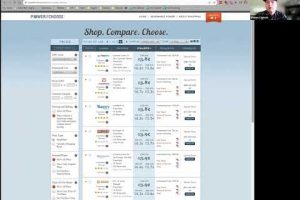
- Use Official Comparison Tools: The PUCT maintains an official comparison tool on its website that allows you to filter plans by provider, rate, and term length based on your zip code.
- Read Reviews Before Switching: Consumer complaints and satisfaction ratings can reveal issues with billing, customer service, or hidden charges that are not obvious from the plan description alone.
Common Mistakes to Avoid When Comparing Texas Energy Plans
Even savvy consumers can make costly mistakes when shopping for electricity. Here are the most common pitfalls to watch out for:
- Focusing only on the headline rate: The advertised rate often excludes TDU delivery charges, taxes, and other fees that can add 15-20% to your actual cost.
- Ignoring contract terms: A low rate with a 36-month contract might not be worth it if you plan to move or if a better option becomes available sooner.
- Overlooking the EFL: Skipping the Electricity Facts Label means you are guessing at the real cost instead of knowing it.
- Choosing a plan based on one month’s usage: Your usage varies throughout the year, so compare plans based on your average annual consumption.
- Forgetting to confirm your TDU: Delivery charges are set by your local utility, not the REP, but the EFL will show you the combined all-in rate so you can compare apples to apples.
Conclusion
Comparing energy plans in Texas gives you the power to take control of your electricity costs in one of the most competitive retail energy markets in the country. By understanding the different plan types, reading Electricity Facts Labels carefully, considering all associated fees, and following expert shopping strategies, you can find a plan that saves you money and matches your lifestyle. Whether you prioritize budget predictability with a fixed-rate plan, flexibility with a variable option, or sustainability with a renewable energy plan, the Texas market has something for everyone. The time you invest in comparing plans today can translate into meaningful savings for years to come.
Frequently Asked Questions
1. How often should I compare energy plans in Texas?
It is a good practice to compare Texas electricity plans at least once every 12 months, especially as your contract nears its end. Shopping during the off-peak seasons of fall or winter often yields the best introductory rates and plan options.
2. What is the difference between a TDU charge and an energy charge?
The energy charge is the per-kWh rate set by your Retail Electric Provider for the electricity itself. The TDU (Transmission and Distribution Utility) charge covers the cost of delivering electricity through power lines to your home. TDU charges are regulated and set by the utility company, not the REP, but both appear on your bill and should be considered when comparing plans.
3. Can I switch energy providers in Texas without penalty?
Yes, if you are on a month-to-month variable-rate plan or if your fixed-rate contract has expired, you can switch providers at no cost. If you are still within a fixed-term contract, check for early termination fees, which are disclosed in the plan’s Electricity Facts Label before you enroll.
4. Are green energy plans more expensive in Texas?
Not necessarily. Texas has a robust renewable energy infrastructure, particularly wind power, which keeps green plan costs competitive. Many green plans offer rates comparable to traditional plans, and some even come with introductory pricing that undercuts standard options.
5. What should I look for in the Electricity Facts Label?
The EFL should clearly show the all-in rate per kWh, the contract term length, early termination fees, the percentage of renewable energy, and a breakdown of all applicable fees and charges. Always use the EFL as your primary comparison tool when evaluating plans.
6. Does my zip code affect the available energy plans?
Yes, the plans available to you depend on your location and which Retail Electric Providers serve your area. Use the PUCT’s official comparison tool and enter your zip code to see all plans offered in your specific service area.