Choosing the right energy plan can feel overwhelming, especially when you are bombarded with dozens of providers, rate structures, and contract terms competing for your attention. Whether you are a renter in a deregulated market or a homeowner looking to lower your monthly bills, understanding how to compare energy plans is the single most impactful step you can take toward saving money and finding a plan that actually fits your lifestyle. This guide walks you through every angle of energy comparison — from rate types and contract details to hidden fees and renewable options — so you can make a confident, informed decision without second-guessing yourself.
What Does It Mean to Compare Energy Plans?
When you compare energy plans, you are evaluating the available electricity or natural gas supply options in your area to determine which one offers the best combination of price, terms, and features for your specific needs. In deregulated energy markets, multiple providers compete to sell electricity or gas to the same consumer, meaning you have the power to choose — not just accept whatever your utility company offers by default. Comparing energy plans goes beyond simply looking at the price per kilowatt-hour. It involves examining contract length, cancellation fees, renewable energy percentages, customer service ratings, and billing structures. The goal is to find a plan that balances affordability with reliability and aligns with your values, whether that means prioritizing budget predictability or environmental sustainability.
Key Factors to Consider When Comparing Energy Plans
Not all energy plans are created equal, and the differences between them can be significant. Before you commit to any plan, make sure you have carefully evaluated these critical factors.
Rate Types and Pricing Structures
The type of rate structure is arguably the most important element when you compare energy plans. Here are the main categories:
- Fixed-Rate Plans: Your price per kilowatt-hour remains constant throughout the entire contract term, regardless of market fluctuations. This is ideal for consumers who want budget certainty.
- Variable-Rate Plans: Rates change based on wholesale market prices, which means your bill can go up or down each month. These plans often have no early termination fee but carry more financial risk.
- Indexed Plans: Tied to a specific index, such as the spot price of natural gas. Your rate moves in tandem with that index, offering transparency but also exposure to market volatility.
- Tiered or Graduated Plans: The more energy you consume, the higher the rate becomes on additional usage tiers. These can be cost-effective for low-usage households but expensive for heavy consumers.
Contract Terms and Lengths
Energy contracts can range from month-to-month agreements to multi-year commitments. When comparing energy plans, pay close attention to the contract duration because it directly impacts your flexibility and potential penalties. Shorter contracts typically offer less financial risk but may come with slightly higher rates. Longer contracts sometimes lock in attractive introductory pricing that expires before the contract ends, leaving you on a less favorable rate for the remainder of the term.
Renewable Energy Options
If reducing your carbon footprint matters to you, look for plans that offer a percentage of renewable energy sourcing. Some providers provide 100% renewable energy plans powered by wind, solar, or hydroelectric sources. When you compare energy plans side by side, green plans may carry a slight premium, but many consumers find the environmental benefit well worth the additional cost.
Fees and Hidden Charges
Always read the fine print. Common fees include early cancellation charges, monthly service fees, delivery charges, and overdraft or late payment penalties. A plan with a low advertised rate can become expensive quickly if it is loaded with hidden fees.
How to Compare Energy Plans Step by Step

Follow this practical, step-by-step process to streamline your energy comparison journey and avoid costly mistakes.
- Gather Your Usage Data: Look at your last 12 months of electricity bills to determine your average monthly and annual kilowatt-hour consumption. This data is your baseline for accurate comparisons.
- Know Your Market: Confirm whether you live in a deregulated energy market where you can choose your provider. In regulated markets, your options are limited to the local utility.
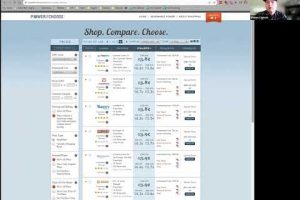
- Collect Plan Options: Use comparison websites, utility commission databases, or individual provider websites to gather a list of available plans in your service area.
- Calculate Total Annual Cost: Multiply the rate per kilowatt-hour by your annual usage for each plan, then add any recurring fees to get the true annual cost.
- Compare Contract Terms: Evaluate the length of each contract, early termination fees, and any rate change clauses.
- Read Customer Reviews: Check independent review sites and consumer protection agencies for complaints and satisfaction ratings about each provider.
- Make Your Decision: Select the plan that offers the best overall value — not just the lowest rate, but the best combination of price, terms, and features for your household.
Comparison Table: Fixed vs. Variable vs. Green Energy Plans
| Feature | Fixed-Rate Plan | Variable-Rate Plan | Green Energy Plan |
| Price Stability | High — rate stays the same | Low — fluctuates with market | Varies by provider |
| Contract Length | Typically 12–36 months | Month-to-month or short term | Varies widely |
| Early Cancellation Fee | Common, often $50–$200 | Usually none | Depends on provider |
| Budget Predictability | Excellent | Unpredictable | Moderate |
| Environmental Impact | Depends on source mix | Depends on source mix | Low — renewable sources |
| Best For | Budget-conscious households | Flexible, risk-tolerant users | Environmentally focused consumers |
Common Mistakes to Avoid When Comparing Plans
Even the most diligent consumers can fall into traps when they are trying to find the best energy plan. Here are the mistakes you should actively avoid:
- Comparing only the headline rate: The price per kilowatt-hour is not the whole picture. Always factor in delivery charges, taxes, and any recurring fees to see the true cost.
- Ignoring contract terms: A low introductory rate that jumps significantly after six months is not a good deal if you are locked into a 24-month contract.
- Skipping the cancellation policy: If your circumstances change, you need to know how much it will cost to exit your current plan.
- Not checking for plan expiration: Some plans advertise low rates for the first few months and then shift to a much higher standard variable rate. Always find out what happens when the promotional period ends.
- Overlooking your actual usage patterns: A plan that looks great on paper may not be cost-effective if it does not match your consumption habits.
Expert Tips for Finding the Best Energy Plan
Here are some insider strategies that seasoned energy consumers use to get the most value out of their energy comparison efforts.
- Set a reminder to compare annually: Energy markets shift frequently. What was the best plan last year may not be the best this year. Set a calendar reminder to reassess your plan every 11 months, just before your contract renews.
- Use official comparison tools: Many state public utility commissions offer free, unbiased energy comparison platforms. These are more reliable than third-party sites that may earn commissions from providers.
- Bundle your services if possible: Some providers offer discounts when you combine electricity, gas, and home services under one plan.
- Consider your peak usage times: If you can shift heavy energy use to off-peak hours, time-of-use plans can save you a significant amount of money.
- Negotiate or ask for loyalty discounts: If you are nearing the end of your contract, call your provider and ask if they have any loyalty or retention offers available. Many do, but you will never know unless you ask.
Frequently Asked Questions
How Often Should I Compare Energy Plans?
You should compare energy plans at least once a year, ideally a month or two before your current contract expires. Energy rates fluctuate based on market conditions, and a plan that was competitive when you signed up may no longer be the best option. Making comparison a regular habit ensures you are always on the most cost-effective plan available.
What Is the Difference Between an Energy Supplier and a Utility Company?
A utility company owns and maintains the infrastructure — power lines, poles, and meters — that delivers electricity or gas to your home. An energy supplier is the company that actually provides the energy itself. In deregulated markets, these two entities are separate, and you can choose your supplier while your utility remains the same regardless of which plan you pick.
Can I Switch Energy Plans Without Paying a Penalty?
It depends on your contract terms. Many variable-rate plans allow penalty-free switching, but fixed-rate contracts typically include early termination fees if you cancel before the agreed-upon end date. Always check your contract’s cancellation policy before making a switch.
Are Green Energy Plans More Expensive Than Traditional Plans?
Green energy plans often carry a slight premium compared to conventional plans, but the price gap has been narrowing in recent years. Some renewable plans are now competitively priced with traditional options, especially when you factor in available state or federal rebates and tax incentives for clean energy adoption.
What Happens When My Energy Plan Expires?
When your energy plan reaches its end date, you typically roll over into a default variable-rate plan offered by your provider — often at a higher rate than what you were previously paying. This is why proactive comparison and timely switching are so important. Contacting your provider or switching to a new plan before your current one expires helps you avoid unexpectedly high bills.
Conclusion
Comparing energy plans is not a one-time task — it is an ongoing practice that can save you hundreds of dollars each year while giving you greater control over your energy consumption and environmental impact. By understanding rate types, carefully evaluating contract terms, avoiding common pitfalls, and staying proactive about your options, you position yourself to always get the best possible deal. The energy market is dynamic, and the plan that is right for you today may not be the best plan tomorrow. Stay informed, compare regularly, and never settle for a plan that does not truly serve your household’s needs and goals.