When you live in the Lone Star State, you have something most Americans do not — the power to choose your electricity provider. Texas operates one of the most competitive and fully deregulated energy markets in the nation, which means comparing energy prices in Texas isn’t just a smart move; it’s an opportunity that millions of residents and businesses actively take advantage of every year. Yet despite this freedom, many Texans still end up stuck on the same standard offer rate or renew at a higher price without ever realizing better options exist. Whether you’re a first-time plan shopper or someone looking to switch providers mid-contract, understanding how to effectively compare energy rates in Texas can save you hundreds — sometimes thousands — of dollars annually. This guide breaks down everything you need to know, from deregulation basics and plan types to expert strategies for locking in the cheapest electricity plan that fits your household or business needs.
How Texas Energy Deregulation Works
Texas energy deregulation dates back to 2002, when the Texas Senate passed Senate Bill 7, effectively splitting the electric utility industry into three distinct roles: generation, transmission, and retail. Before deregulation, a single utility company controlled every step of delivering electricity to your home. Today, the Public Utility Commission of Texas (PUCT) oversees transmission and distribution, while the Electricity Reliability Council of Texas (ERCOT) manages the grid and wholesale market. Retail Electric Providers (REPs) compete for your business by offering different rates, plans, and perks.
The Role of ERCOT in Price Competition
ERCOT serves roughly 90% of Texas’s electric load, meaning the vast majority of Texans shop for electricity through a competitive marketplace. Because REPs must attract customers in this open market, they routinely adjust their pricing strategies, promotional offers, and contract terms. This competition is the engine behind why Texas energy prices often fluctuate based on seasonal demand, fuel costs, and market conditions. Understanding this dynamic is the first step toward comparing electric rates in Texas with confidence.
Why You Should Compare Energy Prices in Texas
The difference between two electricity plans offered in the same zip code can be staggering — sometimes as much as several cents per kilowatt hour. Over a 12-month billing cycle, even a small rate difference compounds into significant savings. Here is why comparison matters:
- Price Variability Is Real: Texas electricity rates can swing dramatically depending on the time of year, the plan term length, and the provider’s sourcing strategy.
- Hidden Fees Add Up: Some plans advertise low introductory rates but bury steep fees in the fine print, including early termination charges, minimum usage penalties, and bill credit conditions.
- Plan Options Vary Widely: Fixed-rate, variable-rate, indexed, and green energy plans all offer different levels of price stability and flexibility.
- Switching Is Free and Simple: There are no penalties for switching providers in Texas, and the process typically takes just a few minutes online.
When you actively compare Texas energy prices, you put yourself in the driver’s seat instead of defaulting to whatever rate your local utility assigns at the end of your contract.
Key Factors That Influence Texas Energy Rates

Not all electricity rate comparisons are apples-to-apples. To get accurate results when you compare energy rates in Texas, you need to account for several critical variables:
1. Contract Length
Short-term plans (month-to-month or 3-month terms) offer flexibility but often carry higher per-kWh rates. Long-term plans (12, 24, or even 36 months) typically lock in lower rates but reduce your ability to switch if the market drops. Finding the right balance between rate stability and commitment is essential.
2. Usage Tiers and Minimum Consumption
Many Texas electricity plans use tiered pricing structures. For example, a plan might charge 12 cents per kWh for the first 1,000 kWh and 15 cents for anything above that. If your household regularly consumes 1,200 kWh, that second tier significantly impacts your total bill. Always check where your typical usage falls on the pricing tier.
3. Time-of-Use Rates
Some providers offer plans where electricity costs less during off-peak hours (typically evenings and weekends) and more during peak demand periods (hot Texas afternoons). If you can shift heavy usage like laundry and dishwashing to off-peak times, you can meaningfully reduce your costs.
4. Renewable Energy Incentives
Green energy plans are increasingly competitive with traditional fossil-fuel-based plans. Some Texans prefer 100% renewable plans not only for environmental reasons but also because certain providers offer bonus bill credits or fixed-rate green options that rival conventional plans.
Comparing Electricity Plans in Texas
When you sit down to compare Texas energy plans, you are evaluating more than just the price per kilowatt hour. Here is a breakdown of the most common plan types you will encounter:
| Plan Type | Price Stability | Risk Level | Best For |
| Fixed-Rate Plan | High — rate stays the same for the contract duration | Low | Budget-conscious households, families, and businesses |
| Variable-Rate Plan | Low — rate changes with the wholesale market | Medium to High | Flexible users who want to cancel anytime |
| Indexed Plan | Moderate — tied to a published index (like the NYMEX) | Medium | Savvy users who track market trends |
| Green Energy Plan | Varies — can be fixed or variable | Low to Medium | Environmentally conscious consumers |
| Pre-Paid Plan | Variable — pay as you go with no deposit | Medium | Users with irregular income or no credit history |
For most Texans seeking budget predictability, a fixed-rate electricity plan remains the gold standard. You know exactly what you will pay per kWh for the entire contract period, regardless of market spikes during summer heat waves or winter storms.
Tips for Finding the Best Energy Deals in Texas
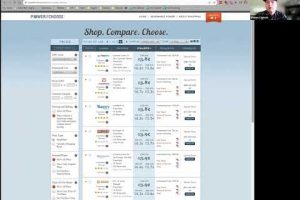
- Use the PUCT Power to Choose Website: This official Texas government tool lets you filter plans by rate, term length, and source type. It is the most comprehensive free resource for comparing energy prices in Texas.
- Check Your Historical Usage: Pull your last 12 months of bills and calculate your average monthly kWh consumption. This number is critical for accurate plan comparisons.
- Read the Electricity Facts Label (EFL): Every Texas plan is required to publish an EFL that details the rate, fees, contract terms, and whether the plan qualifies for renewable energy credits.
- Watch for Introductory Rates: A plan offering 9 cents per kWh for the first three months and 18 cents after is a red flag, not a deal. Always look at the weighted average rate over the full contract term.
- Compare Apples to Apples: Make sure you are comparing plans with similar term lengths, usage tiers, and rate structures. A 3-month variable plan will never show a fair comparison against a 36-month fixed-rate plan.
- Set a Calendar Reminder: Note your contract expiration date 30 days in advance. Many Texans automatically roll over to a more expensive standard offer rate because they miss the window to shop around.
Top Energy Providers in Texas
The Texas retail electricity market features dozens of providers, but several consistently rank among the most popular for competitive rates and customer satisfaction. Companies like Reliant Energy, TXU Energy, Gexa Energy, Cirro Energy, and Frontier Utilities frequently appear on comparison platforms with highly rated fixed and variable plans. However, the “best” provider depends entirely on your location, usage patterns, and priorities. A plan that is ideal for a large household in Houston may not be the right fit for a small apartment in Dallas-Fort Worth.
When comparing providers, always cross-reference the advertised rate with the EFL, check customer reviews on independent platforms, and verify that the provider is properly licensed by the PUCT before signing up.
Frequently Asked Questions
1. What Is the Best Way to Compare Energy Prices in Texas?
The most reliable method is to use the official PUCT Power to Choose website, cross-reference results with third-party comparison platforms, and always review the Electricity Facts Label for each plan. Enter your exact zip code and average monthly kWh usage to get personalized rate comparisons that reflect real pricing in your area.
2. How Often Should I Compare Texas Electricity Rates?

You should compare energy rates at least once before your current contract expires, which is typically every 12 months. If wholesale market prices drop significantly during your contract term, you may also want to explore early termination options or wait for your renewal window to secure a better deal.
3. Can Switching Energy Providers Save Me Money in Texas?
Absolutely. Many Texans save between 10% and 30% on their annual electricity bill simply by switching to a lower-rate plan or a provider offering promotional discounts. The key is to compare carefully, factoring in the full weighted average rate rather than just introductory pricing.
4. Are There Any Fees for Switching Electricity Providers in Texas?
Switching providers is free, and there are no charges from the PUCT or ERCOT for changing your retail electric provider. However, if you are still under contract with your current provider, early termination fees may apply — always review your current EFL before initiating a switch.
5. What Is the Difference Between a Fixed and Variable Rate in Texas?
A fixed-rate plan locks your price per kWh for the duration of the contract, protecting you from market fluctuations. A variable-rate plan changes monthly based on wholesale market conditions, which means your bill can go up or down. Fixed rates are ideal for budget stability, while variable rates suit those who want flexibility and are comfortable with price uncertainty.
Conclusion
Texas offers one of the most powerful consumer advantages in the entire energy sector: the ability to choose your electricity provider and compare energy prices Texas-wide with unprecedented transparency. But that advantage only pays off if you actually use it. By understanding how deregulation works, knowing which plan type fits your lifestyle, checking your usage history, and staying proactive about contract renewals, you can consistently secure lower electricity rates and avoid the trap of auto-renewal at inflated standard offer prices. Take 15 minutes every contract cycle to review your options, read the fine print, and compare energy rates in Texas — your wallet will thank you for it.