When the seasons shift dramatically—sweltering summers followed by bone-chilling winters—having a reliable climate control solution becomes non-negotiable. Air conditioning heating units represent one of the most versatile and increasingly popular approaches to maintaining year-round indoor comfort. Whether you are renovating a home, upgrading an outdated HVAC system, or building from scratch, understanding the nuances of combined heating and cooling equipment can save you thousands of dollars, prevent costly mistakes, and ensure your living space stays comfortable no matter what the thermostat outside says.

This guide dives deep into the world of dual-function climate systems, covering everything from foundational concepts to advanced purchasing strategies. If you have been searching for the best air conditioning heating unit for your home or business, you are in the right place.
What Are Air Conditioning Heating Units?
At their core, air conditioning heating units are climate control systems designed to both cool and warm indoor spaces within a single integrated setup. Unlike traditional setups where a separate air conditioner handles summer cooling and a standalone furnace or boiler manages winter heating, these combination systems consolidate both functions into one cohesive unit—or sometimes, two tightly coordinated components working in tandem.
The term “air conditioning heating unit” encompasses a broad spectrum of technologies. Some homeowners refer to them as dual-function HVAC systems, while others use phrases like combined heating and cooling systems or all-season climate units. Regardless of the label, the goal remains the same: delivering efficient thermal comfort across every season with a single investment.
These systems range from compact window-mounted units capable of handling a single room to sophisticated ducted configurations that regulate temperatures throughout an entire building. The key differentiator lies in the technology powering the heat generation component, which can vary significantly between models and manufacturers.
How Dual-Function HVAC Systems Work
Heat Pump Technology Explained
The most common type of air conditioning heating unit found in modern homes is the heat pump system. Unlike conventional heaters that generate warmth by burning fuel or using electric resistance coils, heat pumps transfer thermal energy from one location to another. During the summer, the system extracts heat from inside your home and expels it outdoors—functioning as a standard air conditioner. When winter arrives, the process reverses: the unit pulls residual heat from the outdoor air (even in cold temperatures) and channels it indoors.
Modern heat pumps have come a long way. Cold-climate heat pumps can now extract meaningful warmth from outdoor air at temperatures as low as negative fifteen degrees Fahrenheit, making them viable even in northern regions where temperatures regularly plunge below zero.
Furnace and AC Combo Systems

Another popular configuration is the furnace-and-air-conditioner pairing, often called a split system HVAC. In this setup, the outdoor condensing unit provides cooling, while a gas or electric furnace inside the building handles heating. The two units share the same ductwork and thermostat, creating a seamless experience for the homeowner.
This approach is particularly common in colder climates where heat pump efficiency drops significantly at extreme low temperatures. The furnace acts as a reliable backup, ensuring consistent warmth even during the harshest winter storms.
Ductless Mini-Split Systems
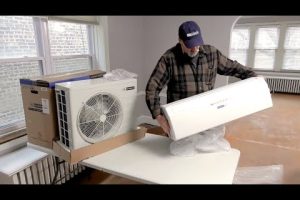
Ductless mini-split air conditioning heating units have exploded in popularity over the past decade. These systems consist of an outdoor compressor/condenser and one or more indoor air-handling units, connected by a small conduit. Because they eliminate the need for extensive ductwork, they are ideal for retrofitting older homes, adding climate control to additions, or conditioning specific zones independently.
Many modern mini-splits feature inverter-driven compressors that adjust their speed continuously rather than cycling on and off at full power. This translates to remarkable energy savings, quieter operation, and more precise temperature control.
Types of Air Conditioning Heating Units
Not all combined heating and cooling systems are created equal. Understanding the different categories helps you narrow your options based on budget, climate, and property layout.
- Central Heat Pumps: Whole-home systems using ductwork, best suited for moderate climates.
- Gas Furnace with Central AC: The traditional American setup, excellent for cold regions.
- Ductless Mini-Splits: Flexible, zone-based systems perfect for homes without existing ductwork.
- Packaged Terminal Units: Self-contained units often found in hotels, apartments, and commercial buildings.
- Geothermal Heat Pumps: High-efficiency systems that leverage the earth’s stable underground temperature for heating and cooling.
- Hybrid Dual-Fuel Systems: Combine a heat pump with a furnace, automatically switching between fuel sources for maximum efficiency.
Key Factors to Consider When Choosing
Selecting the right air conditioning heating unit involves evaluating several critical variables. Rushing this decision often leads to overspending, inadequate comfort, or premature system failure.
Sizing and Capacity
One of the most common mistakes homeowners make is purchasing a unit that is either too large or too small for the space. An oversized system short-cycles—turning on and off frequently—which wastes energy, creates temperature imbalances, and accelerates wear on components. An undersized system runs constantly, driving up utility bills while failing to maintain comfortable temperatures.
A professional Manual J load calculation accounts for your home’s square footage, insulation levels, window orientation, climate zone, and occupancy to determine the precise capacity you need. Never rely on square footage alone as a sizing rule of thumb.
Energy Efficiency Ratings
SEER (Seasonal Energy Efficiency Ratio) measures cooling efficiency, while HSPF (Heating Seasonal Performance Factor) evaluates heating performance. Higher numbers indicate greater efficiency. Modern high-efficiency units regularly achieve SEER ratings of 20 or above and HSPF ratings exceeding 10, which can dramatically reduce annual energy costs.
Additionally, look for the ENERGY STAR certification, which guarantees the unit meets strict efficiency guidelines set by the U.S. Environmental Protection Agency.
Installation Complexity and Cost
The installation price varies enormously depending on system type. Central ducted systems typically require the most extensive infrastructure work, while ductless mini-splits offer a relatively straightforward installation process. Always request detailed quotes from at least three licensed HVAC contractors before committing.
Comparison of Popular Air Conditioning Heating Unit Types
| Type | Avg. Cost (Installed) | Efficiency | Best For | Lifespan |
| Central Heat Pump | $5,000–$10,000 | High (SEER 18–22) | Moderate climates | 15–20 years |
| Furnace + AC Split | $7,000–$14,000 | Moderate to High | Cold climates | 15–25 years |
| Ductless Mini-Split | $3,000–$8,000 per zone | Very High (SEER 20–30) | Zone control, retrofits | 12–20 years |
| Geothermal Heat Pump | $15,000–$30,000 | Exceptional | Long-term homeowners | 20–25 years |
| Hybrid Dual-Fuel | $8,000–$15,000 | Very High | Extreme cold climates | 15–20 years |
Expert Tips for Installation and Maintenance
Owning an air conditioning heating unit is only half the battle. Proper installation and ongoing maintenance directly determine how efficiently, reliably, and affordably the system operates over its lifetime.
- Schedule professional installation. Even the highest-rated unit will underperform if installed incorrectly. Improper refrigerant charging, duct leakage, or incorrect electrical connections can reduce efficiency by 20–30%.
- Replace filters regularly. Clogged filters restrict airflow, forcing the system to work harder and consuming more energy. Check filters monthly during peak usage and replace every 1–3 months.
- Invest in a programmable or smart thermostat. Smart thermostats learn your habits and automatically adjust temperatures, potentially saving 10–15% on heating and cooling costs annually.
- Schedule biannual maintenance. A professional tune-up before each heating and cooling season ensures coils are clean, refrigerant levels are correct, electrical connections are tight, and moving parts are properly lubricated.
- Seal and insulate ductwork. Leaky ducts can waste 20–30% of conditioned air before it ever reaches your living spaces. Mastic sealant and metal-backed tape outperform standard cloth duct tape significantly.
- Keep outdoor units clear of debris. Vegetation, leaves, and dirt accumulating around the outdoor condenser unit restrict airflow and reduce system performance.
Is a Combined Heating and Cooling System Right for You?
The answer depends on several factors including your local climate, home size, existing infrastructure, and budget. In temperate regions, a heat pump air conditioning heating unit is often the most cost-effective choice because it eliminates the need for a separate heating fuel source. In areas with brutal winters, a dual-fuel hybrid system or a traditional furnace-and-AC combo may deliver better comfort and long-term value.
Homeowners in older properties without existing ductwork frequently gravitate toward ductless mini-splits, which provide excellent efficiency without the disruptive and expensive process of installing central ducts. Meanwhile, environmentally conscious buyers increasingly turn to geothermal systems, which offer the lowest operating costs and smallest carbon footprint of any heating and cooling technology available today.
Regardless of which route you choose, the single most important step is partnering with a qualified HVAC professional who can assess your specific needs, recommend the right equipment, and ensure flawless installation. The difference between a mediocre setup and a professionally engineered system can mean the difference between consistent comfort and years of frustration.
Take the time to research local incentives as well. Many utility companies and government programs offer rebates and tax credits for upgrading to high-efficiency air conditioning heating units, which can significantly offset the upfront investment and accelerate your return on that purchase.
Frequently Asked Questions
What is the most energy-efficient air conditioning heating unit for a cold climate?
Cold-climate ductless mini-splits and hybrid dual-fuel systems currently lead the market in extreme cold environments. Cold-climate heat pumps maintain strong heating output down to sub-zero temperatures, while dual-fuel systems automatically switch to gas furnace backup when outdoor temperatures drop below the heat pump’s efficient operating range.
How long does it take to install a combined heating and cooling system?
Installation timelines vary widely. A ductless mini-split can often be installed in a single day, while a full central ducted system typically requires three to five days depending on the complexity of ductwork installation, electrical upgrades, and any structural modifications needed.
Can I replace just my air conditioner and keep my existing furnace?
Yes, in many cases. This is known as a split system replacement and is a common approach when the furnace is relatively new but the air conditioner is failing. However, always have a professional evaluate compatibility between the existing furnace and the new outdoor unit, as mismatched systems can reduce efficiency and void warranties.
Are air conditioning heating units more expensive to run than separate systems?
Not necessarily. In fact, well-matched dual-function systems—particularly those with inverter technology—often cost less to operate than running two older, mismatched units. The key is proper sizing, regular maintenance, and choosing a system with efficiency ratings appropriate for your climate zone.
What maintenance does an air conditioning heating unit require annually?
Annual maintenance should include professional inspection of refrigerant levels, cleaning of coils, checking electrical connections, lubricating moving parts, calibrating the thermostat, and cleaning or replacing air filters. Homeowners can handle filter replacements and keeping outdoor units clear of debris between professional visits.
Do ductless systems work well for whole-home heating and cooling?
Yes, modern multi-zone ductless systems can effectively condition an entire home. By installing multiple indoor units connected to a single outdoor unit, you can create independently controlled zones in every room. This approach offers superior comfort and energy savings compared to traditional central systems in many applications.
Final Thoughts
Air conditioning heating units represent a smart, efficient, and increasingly affordable way to manage indoor climate year-round. Whether you choose a heat pump, a furnace-and-AC split, a ductless mini-split, or a cutting-edge geothermal system, the key to long-term satisfaction lies in proper sizing, professional installation, and consistent maintenance. Do your research, ask the right questions, and invest in a system that matches your home’s unique needs. The comfort and energy savings you gain will reward you for decades to come.