If you have ever walked into a home or office on a sweltering summer day and felt instant relief from the cool air blasting from a wall-mounted unit, you already know how transformative a well-functioning air conditioner can be. But behind the simple act of pushing a button lies a fascinating blend of engineering, thermodynamics, and smart technology that has evolved dramatically over the past century. Whether you are shopping for your first cooling system, upgrading an aging unit, or simply trying to understand why your energy bills spike every July, this guide covers everything you need to know about air conditioners — from core mechanics and type comparisons to maintenance best practices and buying decisions that will serve you for years to come.
Understanding How Air Conditioners Actually Work
At its core, an air conditioner does not “create” cold air. Instead, it removes heat and moisture from indoor air and expels it outside, cycling the cooled air back into your living space. This process relies on a refrigerant — a chemical compound that easily transitions between liquid and gas states — and a series of components working in harmony.
The Refrigeration Cycle Explained
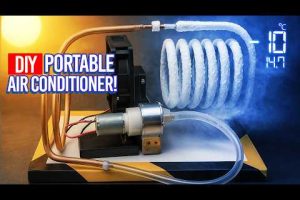
The vapor-compression refrigeration cycle is the backbone of virtually every modern AC unit. Here is how it unfolds step by step:
- Evaporation: Warm indoor air passes over the evaporator coil, and the refrigerant inside absorbs heat, turning from a low-pressure liquid into a gas.
- Compression: The compressor squeezes the gaseous refrigerant, raising its temperature and pressure significantly.
- Condensation: The hot, pressurized gas flows to the outdoor condenser coil, where it releases heat to the outside air and condenses back into a liquid.
- Expansion: The liquid refrigerant passes through an expansion valve, dropping in pressure and temperature before returning to the evaporator coil to repeat the cycle.
Understanding this cycle helps you appreciate why issues like low refrigerant levels, dirty condenser coils, or a failing compressor can completely compromise your cooling system’s performance. Each component is load-bearing; when one falters, the entire refrigeration loop suffers.
Types of Air Conditioners Available Today
The cooling appliance market has expanded far beyond the boxy window units of the 1970s. Today’s consumers have an impressive range of options, each suited to different budgets, room sizes, and lifestyle preferences.
Window Units vs. Central Systems vs. Ductless Mini-Splits
Window air conditioners are the most affordable option for cooling a single room. They mount in a window frame, exhaust hot air outside, and are relatively easy to install. However, they can be noisy, obstruct natural light, and lack the aesthetic appeal of more modern alternatives.
Central air conditioning systems use a network of ducts to distribute cooled air throughout an entire home. They offer superior temperature consistency and operate quietly because the bulky components — the compressor and condenser — sit outdoors. The trade-off is a higher upfront cost and the need for existing ductwork or a costly installation.
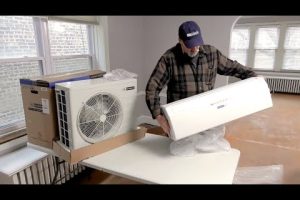
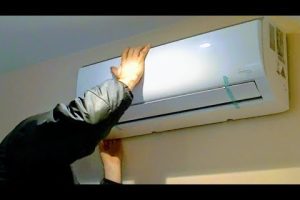
Ductless mini-split systems bridge the gap. They consist of an outdoor compressor connected to one or more indoor air-handling units mounted on walls or ceilings. Because they require no ductwork, mini-splits are ideal for additions, older homes, or rooms that never seem to cool down properly.
Portable and Smart AC Units

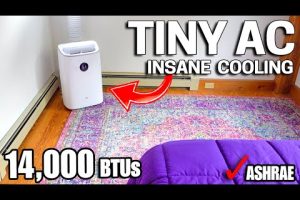
Portable air conditioners are standalone units on wheels that vent through a single hose out of a window. They are excellent for renters who cannot modify window frames or walls. Smart air conditioners, meanwhile, connect to Wi-Fi and integrate with platforms like Amazon Alexa, Google Home, or Apple HomeKit, allowing you to schedule cooling cycles, monitor energy usage, and adjust temperatures from your smartphone.
Key Factors to Consider When Buying an Air Conditioner
Selecting the right cooling unit involves more than picking the shiniest model on the shelf. Several technical and practical factors deserve your close attention before you commit to a purchase.

Cooling Capacity and Room Size
Air conditioner capacity is measured in British Thermal Units (BTUs). A unit with insufficient BTUs will run continuously, wear out prematurely, and fail to cool adequately. Conversely, an oversized unit will short-cycle — turning on and off too frequently — which wastes energy and leaves humidity levels uncomfortably high. As a general rule:
- 100–300 sq ft: 5,000–8,000 BTUs
- 300–500 sq ft: 8,000–12,000 BTUs
- 500–700 sq ft: 12,000–14,000 BTUs
- 700–1,000 sq ft: 14,000–18,000 BTUs
Energy Efficiency Ratings
The Seasonal Energy Efficiency Ratio (SEER) is the gold standard metric for measuring how efficiently an air conditioner operates over an entire cooling season. Higher SEER ratings mean lower electricity consumption. Modern units typically range from SEER 13 to SEER 26, and in many U.S. states, the minimum legal requirement is now SEER 14 or 15.
Noise Level and Installation Requirements
Decibel ratings matter more than most buyers realize. A loud central air system or a rattling window unit can disrupt sleep, concentration, and overall comfort. Look for units rated below 50 dB for bedroom use. Also consider the installation complexity — some ductless systems require only a small three-inch hole in the wall, while central systems demand professional ductwork installation.
| AC Type | Best For | Avg. Cost (USD) | Installation Difficulty | Lifespan |
| Window Unit | Single rooms, rentals | $150–$500 | Easy — DIY-friendly | 8–12 years |
| Portable AC | Renters, temporary use | $250–$600 | Very easy — no installation | 5–10 years |
| Central AC | Whole-home cooling | $3,000–$7,000 | Hard — professional required | 15–20 years |
| Ductless Mini-Split | Room additions, zoned cooling | $2,000–$5,000 | Moderate — professional recommended | 12–20 years |
Energy Efficiency and Operating Costs
Cooling accounts for roughly 12% of a typical U.S. household’s annual electricity bill, and in southern and humid climates, that figure can climb to 27% or more. Your choice of air conditioner directly impacts these costs. Investing in a high-SEER unit with a variable-speed compressor pays dividends over time. Variable-speed compressors adjust their output incrementally rather than cycling fully on and off, which maintains a steadier temperature and consumes significantly less electricity.
Additional strategies to reduce operating costs include:
- Using a programmable or smart thermostat to raise the temperature when you are away from home
- Sealing windows and doors with weatherstripping to prevent cool air leakage
- Installing ceiling fans or portable fans to create a wind-chill effect, allowing you to set the thermostat four degrees higher without sacrificing comfort
- Shading the outdoor condenser unit with vegetation or an awning to improve its heat-dissipation efficiency
Expert Maintenance Tips for Peak Performance
An air conditioner is a long-term investment, and regular maintenance is the single best way to protect that investment. Neglected units lose efficiency, experience more frequent breakdowns, and often die years before their expected lifespan.
Here is a maintenance checklist every homeowner should follow:
- Replace or clean your air filter every 30 to 90 days. A clogged filter restricts airflow, forces the system to work harder, and can even cause ice to form on the evaporator coil.
- Clean the condenser coil annually. Outdoor coils accumulate dirt, pollen, leaves, and debris. Gently rinse them with a garden hose from the inside out.
- Check the condensate drain line for clogs. A blocked drain can cause water damage, mold growth, and a shutdown of the entire unit. Pour a cup of vinegar down the line quarterly to prevent buildup.
- Schedule a professional tune-up every spring. A certified HVAC technician will inspect refrigerant levels, electrical connections, capacitor health, and thermostat calibration before the heavy cooling season begins.
- Keep the area around the outdoor unit clear. Maintain at least two feet of clearance from vegetation, furniture, or stored items to ensure unrestricted airflow.
Common Air Conditioner Problems and How to Fix Them
Even well-maintained systems encounter issues from time to time. Here are the most frequent complaints and their likely causes:
- The AC blows warm air: This often signals low refrigerant levels due to a leak, a dirty evaporator coil, or a faulty compressor.
- Ice buildup on the coils: Typically caused by restricted airflow from a dirty filter or blocked return vents.
- Water leaking indoors: A clogged condensate drain line or a cracked drain pan are the usual culprits.
- Strange noises — grinding, squealing, or rattling: These indicate worn bearings, loose components, or debris inside the unit that needs immediate attention.
- The unit cycles on and off too frequently (short-cycling): An oversized unit, a malfunctioning thermostat, or low refrigerant could all be responsible.
Frequently Asked Questions
What size air conditioner do I need for a 500 square foot room?
For a 500 square foot room, a unit rated between 8,000 and 12,000 BTUs will provide effective cooling. However, if the room receives heavy sun exposure, has high ceilings, or accommodates more than two people regularly, lean toward the higher end of that range to ensure adequate cooling power.
How often should I replace the air filter in my central air conditioner?
Most HVAC professionals recommend replacing disposable filters every 30 to 90 days. If you have pets, allergies, or live in a dusty area, you may need to replace them monthly. For homes with reusable electrostatic filters, wash and dry them every 30 days during peak cooling season.
Can I install a window air conditioner myself, or do I need a professional?
Window units are designed for straightforward DIY installation and typically come with mounting brackets and detailed instructions. However, for central air systems, ductless mini-splits, or any installation that involves electrical wiring, refrigerant line-set handling, or ductwork modifications, hiring a licensed HVAC technician is strongly recommended — both for safety and to preserve manufacturer warranties.
What is the average lifespan of a central air conditioner?
A well-maintained central air conditioning system typically lasts between 15 and 20 years. Factors like climate severity, frequency of use, and the quality of regular maintenance all influence whether your unit reaches the upper or lower end of that range.
Are ductless mini-splits more energy efficient than central air systems?
In most cases, yes. Ductless mini-split systems avoid the energy losses associated with ductwork, which can account for up to 30% of cooled air leakage in traditional central systems. Additionally, mini-splits allow zone-based cooling, meaning you only cool the rooms you are using, which can reduce overall electricity consumption by 20–40% compared to a central system cooling the entire house indiscriminately.
Final Thoughts
Choosing and maintaining the right air conditioner is one of the most impactful decisions you can make for your home’s comfort, health, and energy footprint. Whether you opt for a budget-friendly window unit, a whole-home central system, or a modern ductless mini-split, understanding how these machines work and what to look for during the buying process puts you in a position of authority — not confusion. Prioritize energy efficiency ratings, match your unit’s capacity to your actual square footage, and commit to a consistent maintenance routine. The result is a cooler, healthier indoor environment that saves you money and performs reliably for decades to come.