Indoor climate control is one of the most critical aspects of modern home comfort, and understanding air conditioning and heating systems can save homeowners thousands of dollars in energy costs while dramatically improving year-round living conditions. Whether you are building a new home, replacing an aging furnace, or simply trying to understand why your utility bills spike every summer, this comprehensive guide covers everything you need to know about heating and cooling technologies, system selection, maintenance best practices, and cost-effective strategies for keeping your indoor environment comfortable in every season.
How Air Conditioning and Heating Systems Actually Work
The Science Behind Thermal Comfort
At its core, heating and air conditioning revolves around the principles of thermodynamics and heat transfer. A heating system adds thermal energy to your living space, while an air conditioning system removes it. Understanding this fundamental difference helps homeowners make smarter purchasing decisions and communicate more effectively with HVAC technicians.
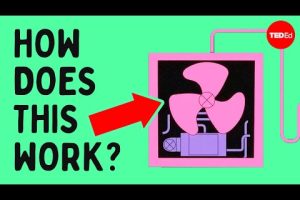
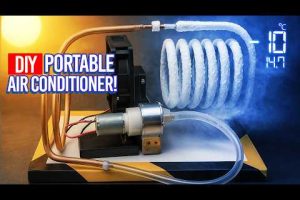
In a central heating system, a fuel source — whether natural gas, oil, or electricity — powers a heat exchanger or heating element. Warm air is then distributed through ductwork or radiant floor systems. Air conditioning works in reverse: a refrigerant absorbs indoor heat, compresses it through a condenser coil, and expels it outdoors, leaving cooler air circulating inside.
Key Components of a Complete HVAC Setup
Most residential HVAC systems consist of several interconnected components working in harmony:
- Thermostat: The control hub that regulates temperature settings and schedules.
- Furnace or Air Handler: The unit responsible for generating or circulating heated air.
- Evaporator Coil: Absorbs heat from indoor air during cooling mode.
- Condenser Unit: Releases absorbed heat to the outside environment.
- Refrigerant Lines: Copper tubing that carries refrigerant between indoor and outdoor units.
- Ductwork and Vents: The distribution network that delivers conditioned air throughout your home.
Types of Heating and Cooling Systems Compared
Central HVAC Systems
Central air conditioning paired with a furnace remains the most popular configuration in North American homes. These systems use a single thermostat to regulate temperature across multiple rooms through a network of supply and return ducts. Forced-air systems offer the advantage of integrating with air filtration and humidity control accessories.
Ductless Mini-Split Systems
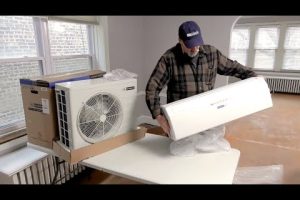
Ductless mini-splits have surged in popularity because they eliminate the need for extensive ductwork and allow zone-by-zone temperature control. Each indoor unit operates independently, which means you can cool your bedroom while keeping the living room warmer. This approach reduces energy waste and is ideal for additions, older homes, or spaces where installing ducts is impractical.

Heat Pumps: The Efficient All-in-One Solution
Heat pump technology has evolved dramatically over the past decade. Unlike traditional systems that generate heat by burning fuel, heat pumps transfer existing thermal energy from outside air, ground sources, or water into your home during winter — and reverse the process for cooling. Modern cold-climate heat pumps can extract heat from outdoor temperatures as low as -15°F, making them viable even in northern regions.
| System Type | Best For | Average Lifespan | Energy Efficiency | Installation Cost |
| Central Furnace + AC | Cold climates, large homes | 15–20 years | Moderate to High (AFUE 80–98%) | $$ |
| Ductless Mini-Split | Zone control, no ductwork | 12–15 years | High (SEER 20–30) | $ |
| Heat Pump | Moderate climates, efficiency | 15–20 years | Very High (HSPF up to 13) | $ |
| Geothermal Heat Pump | Long-term savings, eco-conscious | 20–25 years | Exceptional (COP 3.5–5.0) | $$ |

How to Choose the Right System for Your Home
Sizing and BTU Calculations
One of the most common mistakes homeowners make is purchasing an air conditioning unit that is either too large or too small for the space. An oversized system short-cycles, wasting energy and failing to dehumidify properly. An undersized unit runs constantly, driving up bills and wearing out prematurely.
A proper Manual J load calculation accounts for square footage, insulation levels, window orientation, climate zone, and occupancy. Always insist that your HVAC contractor perform this assessment before recommending equipment.
Understanding Efficiency Ratings
Efficiency ratings determine how much comfort you get per dollar of energy spent:
- SEER (Seasonal Energy Efficiency Ratio) — Measures cooling efficiency. Higher is better; minimum is now 14–15 in most regions.
- AFUE (Annual Fuel Utilization Efficiency) — Measures furnace gas-to-heat conversion. Modern units reach 95–98%.
- HSPF (Heating Seasonal Performance Factor) — Measures heat pump heating efficiency.
- EER (Energy Efficiency Ratio) — Measures efficiency at a specific outdoor temperature, usually 95°F.
Expert tip: Look for ENERGY STAR-certified systems to qualify for federal tax credits and local utility rebates, which can offset 10–30% of installation costs.
Maintenance Tips That Extend System Lifespan
Preventive maintenance is the single most effective strategy for protecting your investment in heating and cooling equipment. Neglecting routine care leads to efficiency losses of up to 5% per year and dramatically shortens system lifespan.
- Replace air filters every 1–3 months depending on filter type and household conditions.
- Clean condenser coils annually to remove debris that restricts heat exchange.
- Check refrigerant levels — low charge indicates a leak that requires professional repair.
- Inspect ductwork for leaks and seal joints with mastic or metal-backed tape.
- Schedule professional tune-ups twice a year — once before cooling season and once before heating season.
- Lubricate moving parts and tighten electrical connections to prevent premature failure.
Homeowners who follow these maintenance steps consistently report 20–30% lower energy bills and significantly fewer emergency repairs compared to those who neglect their systems.
Common Problems and Troubleshooting
Before calling a technician, try these diagnostic steps for the most frequent HVAC issues:
- System not cooling? Check the thermostat settings, verify the circuit breaker hasn’t tripped, and inspect the outdoor unit for debris blocking airflow.
- Uneven temperatures between rooms? Balanced dampers, proper sealing, and duct insulation can resolve most zoning problems.
- Strange noises from the furnace? Banging often indicates a loose blower component; squealing suggests a worn belt; rumbling may signal a burner issue.
- Excessive humidity indoors? Your AC unit may be oversized or the evaporator coil may be frozen due to restricted airflow.
Air Conditioning and Heating Costs: What Budget-Conscious Homeowners Should Know

Installation costs vary widely based on system type, home size, and regional labor rates. A basic central furnace and AC combo typically ranges from $7,000 to $12,000 installed. Ductless mini-split systems run $3,000 to $8,000 per zone. Heat pumps fall in the middle at $5,000 to $10,000, while geothermal systems can reach $20,000–$30,000 before incentives.
Operational costs deserve equal attention. A high-efficiency heat pump can reduce annual heating and cooling expenses by 30–50% compared to a conventional furnace and air conditioner. Over a 15-year period, those savings often outweigh the higher upfront investment significantly.
Frequently Asked Questions
1. How often should I replace my air conditioning and heating system?
Most HVAC systems last between 15 and 20 years with proper maintenance. However, if your system requires frequent repairs, struggles to maintain comfortable temperatures, or your energy bills have increased significantly, replacement may be more cost-effective than continued repair. Modern systems also offer dramatically improved efficiency and smart features that older units simply cannot match.
2. Is a heat pump worth it in cold climates?
Absolutely. Modern cold-climate heat pumps are designed to operate efficiently at temperatures well below freezing. They eliminate the need for a separate furnace in many applications, and combined with a backup heating source for extreme cold days, they provide excellent comfort and energy savings in northern regions.
3. What temperature should I set my thermostat to save money?
The U.S. Department of Energy recommends setting your thermostat to 68°F in winter and 78°F in summer when you are home. Installing a programmable or smart thermostat allows you to adjust temperatures automatically when you are asleep or away, potentially reducing annual heating and cooling costs by 10–15%.
4. Should I choose a gas furnace or an electric heat pump?
The right choice depends on your climate, local utility costs, and environmental priorities. Gas furnaces excel in extremely cold climates where electricity rates are high, while heat pumps offer superior efficiency and lower operating costs in moderate climates. Many homeowners now choose a dual-fuel system that uses a heat pump for mild weather and switches to gas for extreme cold.
5. Does indoor air quality affect my heating and cooling system?
Yes, significantly. Poor indoor air quality forces your system to work harder, clogs filters faster, and reduces heat exchange efficiency. Investing in a high-quality air purifier, UV germicidal light, or whole-home humidifier/dehumidifier improves both comfort and system performance.
Final Thoughts on Mastering Indoor Climate Control
Navigating the world of air conditioning and heating does not have to be overwhelming. By understanding how your system works, selecting the right equipment for your climate and budget, committing to regular maintenance, and staying informed about new technologies like heat pumps and smart thermostats, you can enjoy a comfortable, healthy, and energy-efficient home for decades. The investment you make in your HVAC system today pays dividends in comfort, savings, and peace of mind every single day of the year.