Whether you are a tropical homeowner, a landscape professional, or a gardening enthusiast dreaming of your own backyard palm oasis, understanding coconut tree care is essential for nurturing healthy, productive trees that thrive for decades. The coconut palm (Cocos nucifera) is one of the most iconic tropical plants on the planet, valued not only for its aesthetic beauty but also for the nutritious coconuts it produces year after year. However, growing coconut trees successfully requires more than simply planting a seed and waiting. From soil preparation and watering schedules to pest management and nutrient optimization, every step matters when you want your coconut palm to flourish. In this comprehensive guide, we will walk you through proven coconut tree care techniques that work for beginners and experienced growers alike.
Understanding Coconut Trees: Species and Growing Conditions
Before diving into maintenance routines, it helps to understand what coconut palms actually need to survive and produce. Coconut trees are native to tropical coastal regions and have evolved over millions of years to thrive in warm, humid environments with well-drained sandy soils. There are dozens of coconut varieties, ranging from tall dwarf hybrids to the classic tall types that can reach heights of 80 feet or more. Understanding your specific coconut cultivar is the first step toward effective coconut palm maintenance.
Ideal Climate for Coconut Trees
Coconut palms grow best in USDA hardiness zones 10 through 12, where temperatures remain consistently between 70°F and 95°F. They need a minimum of 60 inches of rainfall annually or supplemental irrigation in drier regions. Strong sunlight — at least six hours of direct exposure daily — drives photosynthesis and fruit production. Wind is also important; coconut palms are naturally adapted to coastal breezes, but young trees may need windbreaks during their first few years of establishment.
- Temperature range: 70°F to 95°F (optimal), with brief tolerance down to 50°F
- Rainfall: 60+ inches per year, or consistent irrigation
- Sunlight: Full sun, minimum 6 hours daily
- Soil preference: Sandy, well-drained, slightly acidic to neutral pH (5.5 to 7.0)
How to Plant and Establish Coconut Trees
Successful coconut tree care starts at planting. Choosing the right planting stock and preparing the site properly dramatically reduce future maintenance challenges and accelerate growth.
Selecting the Right Coconut Variety
Not all coconuts are the same. Tall varieties like the West Coast Tall and East Coast Tall are traditional commercial cultivars known for high yields and strong root systems. Dwarf varieties such as the Malayan Dwarf produce coconuts earlier — sometimes within four to five years — but may be more susceptible to certain diseases. Hybrid coconuts combine desirable traits from both types, offering disease resistance and early fruiting. When selecting your planting stock, choose nuts that are mature, heavy, and sound when shaken.
Planting Steps for Beginners
- Choose a sunny location with at least 30 feet of clearance from buildings and power lines.
- Prepare the planting hole at least 3 feet wide and 3 feet deep, loosening the soil thoroughly.
- Mix organic compost into the excavated soil to improve drainage and nutrient content.
- Plant the coconut with the pointed end facing up and one-third of the nut buried below soil level.
- Water thoroughly after planting and maintain consistent moisture during the germination period.
- Mulch around the base to retain moisture and regulate soil temperature.
Germination typically takes three to six months. Patience during this phase is critical — avoid disturbing the root zone and keep the soil consistently moist but never waterlogged.
Watering and Irrigation Best Practices
Proper watering is one of the most misunderstood aspects of coconut tree care. While mature coconut palms are remarkably drought-tolerant once established, consistent moisture during the juvenile stage promotes strong root development. During the first two years, water young coconut trees deeply two to three times per week, especially during dry spells. For mature trees, deep watering every seven to fourteen days during extended dry periods encourages roots to grow downward, improving structural stability and drought resilience.
Overwatering is just as dangerous as underwatering. Coconut palms are highly susceptible to root rot caused by fungal pathogens like Phytophthora when soil remains saturated. Always ensure your planting site has excellent drainage. Raised beds or mounded planting can help in areas with heavy clay or compacted soils.
Fertilization and Nutrient Management
Coconut palms are heavy feeders that require a balanced supply of macro and micronutrients. Without proper fertilization, trees develop deficiency symptoms that reduce both coconut yield and overall palm health. Understanding your tree’s nutritional needs is the cornerstone of effective coconut palm maintenance.

Essential Nutrients for Coconut Palm Health
The primary macronutrients coconut trees need are nitrogen (N), phosphorus (P), and potassium (K). Potassium is especially critical — coconut palms are among the most potassium-hungry crops in tropical agriculture. Magnesium, manganese, boron, and zinc are equally important and are often supplied through specialized palm fertilizers formulated specifically for tropical palm species.
Apply a balanced palm fertilizer with a ratio such as 8-2-12-4Mg (N-P-K-Mg) four times per year for young trees and three times per year for mature palms. Slow-release granular formulations are preferred because they provide steady nutrient delivery and reduce the risk of salt burn.
Organic vs. Synthetic Fertilizers for Coconut Trees
| Factor | Organic Fertilizers | Synthetic Fertilizers |
| Nutrient Release | Slow, gradual | Fast, immediate |
| Soil Health Impact | Improves structure and microbiome | Can degrade soil over time |
| Cost | Higher initial cost | Lower cost per application |
| Application Frequency | Less frequent needed | Requires more frequent dosing |
| Burn Risk | Very low | Moderate if over-applied |
| Best For | Long-term soil building | Quick correction of deficiencies |
Many experienced growers use a combination approach — applying synthetic fertilizers for immediate nutrient correction while supplementing with organic matter like composted manure or coconut husk mulch for sustained soil health.

Pest and Disease Management

Healthy coconut trees resist most pests naturally, but stressed or nutrient-deficient palms are vulnerable to a range of threats. The rhinoceros beetle is one of the most destructive pests in coconut-growing regions, boring into the crown and causing irreversible crown collapse. Other common coconut pests include red palm weevils, coconut mites, and coconut scale insects. Regular inspection of the fronds, trunk, and root zone helps you catch infestations early.
Diseases such as lethal yellowing, bud rot, and ganoderma butt rot pose serious risks to coconut palms. Lethal yellowing, caused by a phytoplasma transmitted by planthoppers, causes premature nut drop and progressive frond death. Preventive trunk injections of oxytetracycline can help manage the disease, but planting resistant varieties is the most effective long-term strategy.
- Inspect trees monthly for signs of pest damage or disease symptoms.
- Remove fallen fronds and debris promptly to reduce breeding sites for beetles and fungi.
- Use biological controls such as Metarhizium anisopliae fungus for beetle management.
- Avoid overhead irrigation on the crown to reduce fungal infection risk.
Pruning, Maintenance, and Harvesting Tips
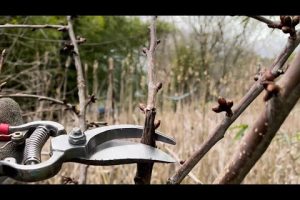
Pruning coconut palms is often debated among tropical horticulturists. The consensus among most coconut palm care experts is that minimal pruning is best. Remove only dead, diseased, or brown fronds — never green fronds — as they continue to photosynthesize and feed the tree. Over-pruning weakens the palm, reduces its ability to withstand storms, and can trigger nutrient deficiencies.
For harvesting, coconuts are typically ready 10 to 12 months after pollination for drinking coconuts and 12 to 15 months for mature copra coconuts. Use a coconut harvester pole or trained climber to safely collect nuts from tall varieties. Harvest regularly — leaving mature nuts on the tree too long can attract pests and reduce the quality of the meat inside.
Common Coconut Tree Problems and Solutions
- Yellowing fronds — Often a sign of potassium or magnesium deficiency. Apply a palm-specific fertilizer and monitor soil pH.
- Crown pulling apart — Indicates potassium deficiency or hurricane damage. Provide structural support and adjust nutrition.
- No nut production — Young trees may simply not be mature enough. Ensure adequate sunlight and pollination access.
- Trunk staining or oozing — Could indicate fungal infection or beetle boring. Treat with appropriate fungicide or biological control.
- Slow growth — Check soil drainage, nutrient levels, and root health. Compacted or waterlogged soil is a common culprit.
FAQs About Coconut Tree Care
How long does it take for a coconut tree to produce coconuts?
Tall coconut varieties typically begin producing nuts six to ten years after planting, while dwarf varieties and hybrids can start as early as four to five years. Proper coconut tree care from the seedling stage, including consistent watering, fertilization, and disease prevention, helps ensure the tree reaches productive maturity on schedule.
Can you grow a coconut tree from a coconut you bought at the store?
Yes, but success rates vary significantly. Store-bought coconuts are often processed or dried, reducing germination viability. Choose a fresh, brown, heavy coconut with no cracks, soak it in water for two to three days, and plant it in warm, well-drained soil. Keep the temperature consistently above 70°F for the best results.
How often should you fertilize a coconut palm?
Young coconut trees benefit from fertilization four times per year using a balanced palm fertilizer with micronutrients. Mature, fruiting palms should be fertilized three times annually — during the active growing season — with an emphasis on potassium and magnesium to support nut development and frond health.
What is the best fertilizer ratio for coconut trees?
A fertilizer ratio of 8-2-12-4 (Nitrogen-Phosphorus-Potassium-Magnesium) is widely recommended by tropical agronomists for coconut palms. The high potassium content addresses the palm’s exceptional demand for this nutrient, while magnesium supplementation prevents the frond chlorosis commonly seen in potassium-deficient trees.
How do you protect coconut trees from hurricanes and strong winds?
Proper pruning — removing only dead fronds and preserving the green canopy — maintains the palm’s natural flexibility and wind resistance. Installing guy wires or braces for young trees during their first three years provides additional structural support. Planting coconut trees in groups rather than isolation also reduces wind damage risk by creating a natural windbreak effect.
Conclusion
Coconut tree care is both an art and a science, requiring patience, consistent attention, and a solid understanding of tropical horticulture fundamentals. Whether you are growing coconut trees for the fresh fruit, the shade, or the sheer tropical beauty they bring to your landscape, following the practices outlined in this guide will set you on the path to success. From choosing the right variety and preparing the soil to managing nutrients, pests, and pruning with precision, every decision you make directly impacts the health and productivity of your coconut palm. Invest the time early, stay observant throughout the growing season, and your coconut tree will reward you with years of reliable growth and abundant harvests.