When summer temperatures soar, you trust your air conditioning system to keep your home cool and comfortable. But here is something that catches almost every homeowner off guard: your air conditioning unit can also generate heat when the temperatures drop. Whether you are dealing with a heat pump system that reverses its refrigerant cycle, a central air conditioner blowing warm air instead of cold, or you are simply curious about how your HVAC equipment manages thermal energy, understanding air conditioning heat is essential for keeping your home efficient year-round. This guide dives deep into the mechanics, common problems, and expert strategies for getting the most out of your cooling and heating equipment.
How Air Conditioning Heat Works: The Science Behind Your System
Most people assume air conditioners only cool. In reality, the technology behind your unit is all about moving heat from one place to another. Your air conditioner does not create cool air — it extracts heat from indoor air and expels it outside. When operating in heating mode, the process reverses entirely. Understanding this fundamental principle unlocks a much clearer picture of how your system functions across seasons.
The Refrigeration Cycle and Thermal Energy Transfer
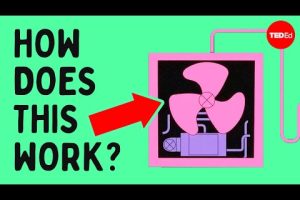
The core mechanism relies on a closed loop of refrigerant that cycles between liquid and gaseous states. Here is a simplified breakdown of the process:
- Evaporation: The refrigerant absorbs heat from indoor air as it passes through the evaporator coil, turning from a low-pressure liquid into a gas.
- Compression: The compressor pressurizes the gaseous refrigerant, raising its temperature significantly.
- Condensation: The hot gas releases its absorbed heat to the outside air through the condenser coil, cooling back into a liquid.
- Expansion: A thermal expansion valve reduces the pressure of the liquid refrigerant, dropping its temperature before it re-enters the evaporator coil.
In a heat pump system, a reversing valve flips this cycle. Instead of pushing heat outdoors during summer, the system extracts thermal energy from the outside air — even in cold weather — and deposits it inside your home. This is why air conditioning heat generation is not just possible but incredibly efficient when the system is designed correctly.
Why Air Conditioner Heat Mode Matters
In moderate climates, a heat pump air conditioner can replace a traditional furnace entirely. In colder regions, it serves as an excellent supplemental heating source that reduces the load on your primary heater. The coefficient of performance (COP) for heat pump systems often ranges between 3.0 and 4.0, meaning they produce three to four units of heating energy for every unit of electrical energy consumed. Compare that to a conventional electric resistance heater, which has a COP of exactly 1.0.
Air Conditioner Heat Pump vs. Traditional AC: A Detailed Comparison
Choosing between a heat pump air conditioner and a conventional cooling-only unit depends on your climate, budget, and long-term energy goals. Below is a side-by-side comparison that clarifies the key differences.
| Feature | Heat Pump AC | Traditional AC |
| Heating Capability | Yes — reverses refrigerant cycle | No — cooling only |
| Energy Efficiency in Heating | 300–400% efficient (COP 3.0–4.0) | N/A |
| Upfront Cost | Higher by 15–25% | Lower initial investment |
| Operating Cost (Winter) | Significantly lower | Requires separate furnace or heater |
| Performance Below 30°F (-1°C) | Decreases; may need backup heat | N/A (not designed for heating) |
| Installation Complexity | Moderate — requires refrigerant line and electrical setup | Simpler — single-purpose installation |
| Lifespan | 12–15 years average | 15–20 years average |
| Environmental Impact | Lower carbon footprint | Higher when paired with gas furnace |
The table above makes one thing clear: if you live in a climate where temperatures occasionally dip below freezing but rarely stay there for extended periods, a heat pump delivers exceptional value. In extremely cold climates, pairing a heat pump with a backup furnace creates a dual-fuel system that maximizes both comfort and efficiency.
Common Reasons Your AC Is Blowing Hot Air Instead of Cool

One of the most frustrating experiences for a homeowner is walking up to the thermostat, setting it to cool, and feeling warm air pour from the vents. Several culprits can cause an air conditioner to produce heat when it should not.
- Thermostat misconfiguration: Your unit may accidentally be set to “heat” mode or “fan only” mode. This is the simplest fix and the first thing to check.
- Reversing valve malfunction: In heat pump systems, a stuck or faulty reversing valve can prevent the refrigerant from switching directions, leaving you with heating mode even when you want cooling.
- Refrigerant leak: Low refrigerant levels impair the system’s ability to absorb indoor heat. The unit struggles, runs constantly, and may blow air that feels lukewarm or warm.
- Dirty condenser coils: Outdoor coils coated in dirt, debris, or grime cannot effectively release heat, causing the system to cycle inefficiently and sometimes push warm air indoors.
- Clogged air filter: Restricted airflow over the evaporator coil causes it to freeze up. When the ice melts, the system may blow temporarily warm air.
- Electrical issues: A failed capacitor or contactor can prevent the compressor or fan motor from running correctly, leading to erratic temperature output.
Diagnosing the root cause requires methodical troubleshooting. Start with the thermostat settings and air filter — these account for the majority of minor issues. If those are fine, move on to inspecting the outdoor unit for debris and checking for ice buildup on the indoor coils.
Optimizing Air Conditioning Heat Mode for Winter Efficiency
Running your cooling system in heat mode during winter requires specific strategies to ensure peak performance and energy savings.
Set the Right Temperature
Setting your thermostat to 68°F (20°C) when you are home and lowering it by 7–10 degrees while sleeping or away can save up to 10% annually on heating costs. A programmable or smart thermostat automates this process without sacrificing comfort.
Maintain Your System Regularly

Schedule professional maintenance at least once a year — ideally before the heating season begins. A technician will check refrigerant levels, inspect the reversing valve, clean the coils, and verify electrical connections.
Supplement with Zone Control
If you have a multi-zone system, focus heating output on occupied rooms and close vents in unused spaces. This reduces the workload on your air conditioning heat pump and prevents energy waste.
Keep the Outdoor Unit Clear
Snow, ice, and leaves can obstruct the outdoor condenser unit. Ensure at least two feet of clearance around the unit at all times so it can freely exchange heat with the surrounding air.
Use Defrost Mode Intelligently
Heat pumps accumulate frost on the outdoor coil during heating mode. The defrost cycle melts this ice periodically. If your unit enters defrost too frequently, it may indicate low refrigerant, a faulty defrost sensor, or reversed refrigerant flow — all of which warrant professional attention.
Expert Tips to Maximize Heating Performance from Your AC
Drawing from years of HVAC field experience, here are actionable recommendations that go beyond the basics:
- Upgrade to a variable-speed inverter compressor. Unlike single-speed units that cycle on and off at full capacity, inverter-driven compressors adjust their output continuously. This results in more stable indoor temperatures, lower energy consumption, and quieter operation during heating mode.
- Install a buffer zone. A small insulated room between the outdoor unit and living spaces can reduce the impact of cold winds on the heat pump’s efficiency.
- Pair with a desuperheater. This accessory captures waste heat from the compressor and uses it to preheat water for your home, dramatically improving overall system efficiency.
- Seal and insulate ductwork. Leaky ducts can lose 20–30% of conditioned air before it reaches your rooms. Sealing joints with mastic sealant and adding insulation to ducts in unconditioned spaces pays for itself within a single heating season.
- Consider a dual-fuel configuration. In regions where temperatures regularly drop below 25°F (-4°C), a dual-fuel system alternates between the heat pump and a gas furnace, selecting whichever source is most cost-effective at any given moment.
These strategies transform a standard air conditioning heat pump from a basic comfort appliance into a highly efficient, year-round climate control solution that delivers measurable savings on your energy bill.
Conclusion
Air conditioning heat is far more than a technical curiosity — it is a practical, efficient, and increasingly popular approach to home climate control. Whether your system uses a heat pump to reverse its cooling cycle, or you are troubleshooting an unit that unexpectedly blows warm air, understanding the underlying mechanics empowers you to make smarter decisions about maintenance, upgrades, and daily operation. The key takeaways are straightforward: maintain your system regularly, set your thermostat strategically, and consider investing in modern inverter technology or dual-fuel configurations if you want to maximize comfort while minimizing energy costs. Your air conditioning system is a year-round asset — treat it that way, and it will reward you with consistent performance across every season.
Frequently Asked Questions
Why is my air conditioner blowing hot air when set to cool?
The most common causes include a dirty air filter restricting airflow, a refrigerant leak reducing system capacity, a malfunctioning reversing valve in heat pump units, or a tripped outdoor compressor. Start by checking the filter and thermostat settings. If the problem persists, contact a licensed HVAC technician to inspect refrigerant levels and electrical components.
Can an air conditioner heat a home in extremely cold climates?
Air source heat pumps lose efficiency as outdoor temperatures drop below 25–30°F (-4 to -1°C). However, modern cold-climate heat pumps can operate effectively down to -15°F (-26°C) with reduced capacity. For regions with prolonged sub-freezing temperatures, pairing a heat pump with a backup furnace or opting for a ground-source (geothermal) heat pump provides reliable heating without performance loss.
How much does it cost to run an air conditioner in heat mode?
Operating costs depend on your local electricity rates, system efficiency (SEER2/HSPF ratings), home insulation, and thermostat settings. On average, a heat pump system costs $50–$150 per month to run during the heating season, which is 30–50% less than a conventional electric furnace and often cheaper than natural gas heating depending on regional fuel prices.
What temperature difference should I expect from my AC in heating mode?
A well-functioning heat pump should deliver air that is 15–25°F (8–14°C) warmer than the return air temperature entering the system. If the output temperature difference is significantly lower, it may indicate low refrigerant, a dirty evaporator coil, or an undersized unit that cannot meet your home’s heating load.
How often should I service my air conditioning heat pump?
Professional servicing should occur at least once per year, ideally before the heating season. During a routine maintenance visit, a technician will clean coils, check refrigerant charge, inspect electrical connections, test the reversing valve, lubricate moving parts, and verify overall system performance. Homeowners should also replace air filters every 1–3 months and keep the outdoor unit free of debris year-round.