When summer temperatures soar and humidity climbs to uncomfortable levels, few household upgrades deliver as much immediate relief as a properly functioning air conditioner. Whether you are shopping for a new cooling system for your home, evaluating an upgrade to an existing unit, or simply curious about how modern climate control works, understanding the ins and outs of air conditioning technology is essential. This comprehensive guide covers everything from the fundamental mechanics behind how these systems operate, to the different types available on the market, installation best practices, maintenance strategies, and energy-saving tips that can significantly reduce your utility bills. By the end of this article, you will have the knowledge you need to make confident, informed decisions about your cooling needs.
What Is an Air Conditioner and How Does It Work?
At its core, an air conditioner is a system designed to remove heat and moisture from indoor air, creating a cooler and more comfortable environment. Contrary to popular belief, air conditioners do not generate cold air. Instead, they extract heat from indoor air and expel it outside, using a cycle of refrigeration that relies on chemical refrigerants. These substances transition easily between gas and liquid states, which is the key to the entire cooling process.
The Science Behind Cooling
The refrigeration cycle begins when warm indoor air passes over an evaporator coil filled with cold refrigerant. The refrigerant absorbs heat from the air, causing it to evaporate from a liquid into a gas. This cooled air is then circulated back into your living space through supply vents. Meanwhile, the gaseous refrigerant travels to the outdoor compressor unit, where it is pressurized and converted back into a high-pressure liquid, releasing the absorbed heat outside. The cycle repeats continuously until the thermostat reaches your desired temperature.
Understanding this process helps you appreciate why regular maintenance matters. Dirty evaporator coils, clogged filters, or low refrigerant levels can all disrupt the cycle, leading to reduced cooling performance, higher energy consumption, and accelerated wear on your system.
Types of Air Conditioning Systems
The air conditioning market offers a wide variety of systems, each suited to different home sizes, budgets, and cooling needs. Choosing the right type is one of the most important decisions you will make.
Central Air Conditioners
Central air conditioning systems are the most common choice for homes in North America. These systems use a network of ducts and vents to distribute cool air evenly throughout the entire house. A typical central AC setup includes an outdoor condenser unit, an indoor evaporator coil (often integrated with the furnace or air handler), and a thermostat for temperature control.
Central air conditioners are ideal for homeowners who want whole-house cooling with consistent temperatures. They integrate seamlessly with existing forced-air heating systems, making them a practical choice during new construction or major renovations.
Ductless Mini-Split Systems
Ductless mini-split systems have surged in popularity in recent years, especially among homeowners looking for zoned cooling without the expense and complexity of ductwork. Each mini-split unit consists of an outdoor compressor connected to one or more indoor air-handling units mounted on walls or ceilings. You can control the temperature of each zone independently, which offers exceptional energy savings and comfort customization.
These systems are particularly effective in older homes, additions, garages, or any space where installing traditional ductwork is impractical or cost-prohibitive.
Portable and Window Air Conditioners
For renters, apartment dwellers, or anyone who needs targeted cooling in a single room, portable and window air conditioners remain highly practical options. Window units sit in a sealed window frame and exhaust hot air outside through a venting kit. Portable models stand on the floor and vent through a sliding window or wall panel. While these units generally have lower cooling capacity than central or mini-split systems, they are affordable, easy to install, and require no permanent modifications to your home.
How to Choose the Right Air Conditioner for Your Space
Selecting the correct air conditioner depends on several critical factors. Choosing a unit that is too small will leave your home inadequately cooled and force the system to run constantly, driving up energy costs. Conversely, an oversized unit will cycle on and off too frequently, failing to dehumidify the air properly and shortening the system’s lifespan.
Understanding BTU and EER Ratings
British Thermal Units (BTU) measure the cooling capacity of an air conditioner. As a general guideline, you need approximately 20 BTUs per square foot of living space. However, factors such as ceiling height, sun exposure, insulation quality, and the number of occupants can all influence the required capacity.
Energy Efficiency Ratio (EER) measures how efficiently a unit uses electricity. A higher EER rating means lower operating costs over time. Look for units with an EER of 10 or higher for optimal performance and energy savings.

Here is a quick reference table to help you estimate the right BTU capacity for your space:
| Room Size (Square Feet) | Recommended BTU Rating | Typical Use Case |
| 100–250 sq ft | 6,000 BTU | Small bedroom, office |
| 250–400 sq ft | 8,000 BTU | Medium bedroom, small living room |
| 400–550 sq ft | 10,000 BTU | Large bedroom, apartment living area |
| 550–700 sq ft | 12,000 BTU | Open-concept living area |
| 700–1,000 sq ft | 14,000–18,000 BTU | Large open spaces, sunrooms |

Always round up if your room receives heavy sun exposure, has high ceilings, or houses multiple people. These conditions increase the thermal load and require additional cooling power.
Air Conditioner Maintenance Tips for Longevity
Routine maintenance is the single most effective way to extend the lifespan of your air conditioner and keep it running at peak efficiency. Neglecting simple upkeep can lead to costly repairs, premature system failure, and indoor air quality problems.
- Replace or clean your air filters regularly. Clogged filters restrict airflow, forcing your system to work harder. Check filters monthly during peak cooling season and replace them every one to three months.
- Clean the evaporator and condenser coils annually. Dust and debris buildup on coils reduces heat transfer efficiency. Use a soft brush or coil cleaner spray to gently remove buildup.
- Clear debris from around the outdoor unit. Trim vegetation at least two feet away from the condenser to ensure unobstructed airflow.
- Check refrigerant levels periodically. Low refrigerant often indicates a leak that needs professional attention.
- Schedule professional tune-ups annually. A certified HVAC technician can inspect electrical connections, lubricate moving parts, test system controls, and identify potential issues before they become expensive repairs.
Energy Efficiency and Cost Savings
Air conditioning can account for a significant portion of your household electricity bill, especially during peak summer months. Fortunately, modern systems and smart practices can dramatically reduce energy consumption.
- Upgrade to a variable-speed compressor. Unlike single-stage units that run at full power or shut off entirely, variable-speed compressors adjust output incrementally, using less energy while maintaining more consistent temperatures.
- Install a smart thermostat. Programmable and Wi-Fi-enabled thermostats allow you to set schedules, adjust temperatures remotely, and optimize cooling patterns based on your daily routine.
- Seal and insulate your ductwork. Leaky ducts can waste 20–30% of cooled air before it ever reaches your living spaces.
- Use ceiling fans in conjunction with your AC. Fans create a wind-chill effect that lets you raise the thermostat by about four degrees without sacrificing comfort.
- Close blinds and curtains during peak sunlight hours. Reducing solar heat gain lessens the cooling load on your system.
Investing in an ENERGY STAR-certified air conditioner is one of the smartest moves you can make. These units meet strict efficiency guidelines set by the U.S. Environmental Protection Agency and typically use 10–15% less energy than standard models.
Air Conditioner Installation: What to Expect
Professional installation is critical to the performance and longevity of your air conditioning system. For central AC units, installation typically involves placing the outdoor condenser unit on a concrete pad, mounting the indoor evaporator coil near the furnace, connecting refrigerant lines between the two units, and integrating the system with your existing ductwork. The entire process usually takes one to three days, depending on the complexity of the setup.
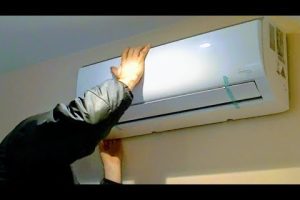
For ductless mini-split systems, installation is generally faster and less invasive since there is no need for extensive ductwork. A small hole is drilled through the wall to connect the indoor and outdoor units, and the indoor unit is mounted at an elevated position for optimal airflow distribution.
Window units are the simplest to install, often requiring nothing more than a window bracket and a secure fit within the window frame. Regardless of the system type, always hire a licensed and insured HVAC professional to ensure safe, code-compliant installation.
Common Air Conditioner Problems and How to Troubleshoot Them
Even well-maintained air conditioners occasionally experience issues. Here are some of the most common problems homeowners encounter:
- Unit blowing warm air: Often caused by low refrigerant levels, a dirty evaporator coil, or a clogged air filter.
- Ice buildup on coils: Usually the result of restricted airflow or insufficient refrigerant. Turn the unit off and allow the ice to melt before inspecting the filter and coils.
- Strange noises: Grinding, squealing, or rattling sounds may indicate loose or worn components, a failing motor, or debris inside the unit.
- Water leaks: A clogged condensate drain line is the most frequent cause. Flush the line with a mixture of vinegar and water to clear blockages.
- Thermostat malfunctions: If your system short-cycles or fails to reach the set temperature, the thermostat may need recalibration or replacement.
When troubleshooting does not resolve the issue, contact a qualified HVAC technician promptly. Delaying repairs can turn minor problems into major, expensive breakdowns.
Final Thoughts
An air conditioner is far more than a luxury appliance; it is an investment in comfort, health, and productivity. By understanding how these systems work, choosing the right type and capacity for your space, committing to regular maintenance, and adopting energy-efficient practices, you can enjoy reliable cooling for many years while keeping operating costs manageable. Whether you are upgrading an aging central system, installing a ductless mini-split in a new addition, or simply replacing a worn-out window unit, the information in this guide should equip you to move forward with confidence.
Frequently Asked Questions
What size air conditioner do I need for a 1,200 square foot house?
For a 1,200 square foot home, a central air conditioner with a capacity of approximately 24,000 BTUs (a 2-ton unit) is typically sufficient. However, factors like insulation, climate zone, and sun exposure may push the requirement higher. A Manual J load calculation performed by an HVAC professional will give you the most accurate sizing recommendation.
How often should I service my air conditioner?
Experts recommend having your air conditioner professionally serviced at least once per year, ideally in the spring before the cooling season begins. Regular service includes cleaning coils, checking refrigerant levels, inspecting electrical components, and verifying overall system performance.
What is the average lifespan of a central air conditioner?
With proper maintenance, a central air conditioner typically lasts between 15 and 20 years. Units that receive regular professional tune-ups and timely repairs tend to perform reliably throughout their full lifespan, while neglected systems may fail prematurely.
Can I install an air conditioner myself?
While portable and some window units are designed for DIY installation, central air and ductless mini-split systems require professional installation. Incorrect refrigerant handling, improper electrical connections, and ductwork leaks can all result from unqualified installation, leading to safety hazards, voided warranties, and poor performance.
How can I reduce my air conditioner electricity bill?
To lower your cooling costs, set your thermostat to 78°F when you are home and higher when you are away, use ceiling fans to enhance airflow, seal gaps around windows and doors, upgrade to a high-SEER system, and invest in a programmable or smart thermostat that automates temperature adjustments based on your schedule.