Full house plumbing is much more than a collection of pipes running behind your walls—it is a carefully engineered network that delivers clean water to every faucet, appliance, and fixture while safely removing wastewater from your entire home. Whether you are building a new property, renovating an older house, or simply trying to understand the system beneath your floors, a solid grasp of full house plumbing fundamentals can save you thousands of dollars, prevent catastrophic water damage, and help you make smarter decisions when hiring professionals. In this comprehensive guide, we will walk you through every major component, material choice, installation phase, and maintenance strategy so you can approach your home’s plumbing with confidence and clarity.
What Is Full House Plumbing?
Full house plumbing refers to the complete system of pipes, valves, fittings, drains, vents, and fixtures that work together to supply potable water and remove sewage from every room in a residential building. This encompasses everything from the main water shutoff valve near your property line to the smallest drain trap under your bathroom sink. Unlike spot plumbing—where you fix or install only a single fixture—a full house plumbing approach evaluates the entire infrastructure as one unified system. This holistic perspective ensures proper water pressure throughout the home, efficient drainage, code-compliant venting, and long-term reliability across all connected devices.
Core Components of a Full House Plumbing System
Every full house plumbing system is built on three foundational subsystems working in harmony. Understanding each one gives you a clearer picture of how water flows in and out of your home.
Water Supply Lines
The water supply subsystem carries fresh, pressurized water from your municipal source or private well into the home through a main line. This line splits into hot and cold branches that feed kitchen sinks, bathrooms, washing machines, dishwashers, water heaters, and outdoor spigots. Key components include:
- Main shutoff valve — the primary control point for cutting water flow to the entire house
- Branch lines — smaller-diameter pipes that distribute water to individual rooms and fixtures
- Pressure regulators — devices that maintain safe, consistent water pressure (typically 40–60 PSI)
- Water meter — tracks the volume of water consumed for billing purposes
Drain-Waste-Vent (DWV) System
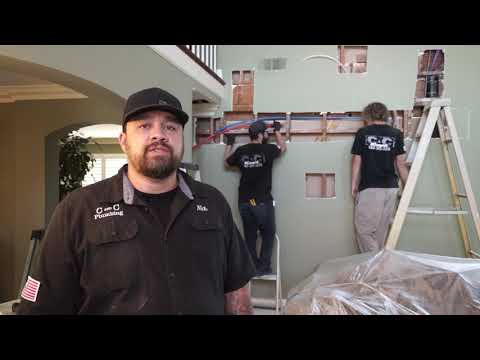
The DWV subsystem is responsible for removing used water and solid waste from fixtures and directing it toward the municipal sewer or septic tank. Gravity does the heavy lifting here, with pipes sloping downward at precise angles. Vent pipes extend through the roof to equalize air pressure, allowing water to flow smoothly and preventing trap seals from being siphoned away. Without proper venting, drains slow down, gurgling sounds occur, and sewer gases can enter living spaces.
Fixture Connections and Branch Lines
At the point where supply and drainage meet the visible parts of your home, fixture-specific connections ensure leak-free operation. Each sink, toilet, bathtub, shower, and appliance has its own dedicated supply stub-out and drain trap assembly. Branch lines tie these individual connections back into the main horizontal runs that travel toward the sewer exit.

Common Full House Plumbing Materials and When to Use Them
Choosing the right pipe material is one of the most consequential decisions in any full house plumbing project. Different materials suit different applications, budgets, and local building codes. Below is a detailed comparison of the most widely used options in residential plumbing today.
| Material | Best For | Lifespan | Cost per Foot | Key Advantages | Key Limitations |
| Copper | Supply lines, exposed runs | 50–70 years | $$ | Durable, corrosion-resistant, bacteria-resistant | Expensive, requires soldering skills, rigid |
| PEX (Cross-linked Polyethylene) | Supply lines, interior routing | 40–50 years | $ | Flexible, freeze-resistant, easy to install, affordable | Not UV-resistant, cannot be used outdoors in sunlight |
| PVC | DWV lines, vent stacks | 40–60 years | $ | Lightweight, inexpensive, chemical-resistant | Not rated for hot water supply, brittle in cold |
| CPVC | Hot and cold supply lines | 40–50 years | $ | Handles higher temperatures than PVC, affordable | Becoming less common, requires specialized cement |
| Galvanized Steel | Older homes (not recommended for new installs) | 20–50 years (often less) | $$ (retrofit) | Strong, historically accepted | Prone to internal corrosion, mineral buildup, low water pressure over time |
In modern residential projects, PEX tubing has become the dominant choice for supply lines due to its flexibility, ease of use with push-fit fittings, and resistance to scale and chlorine. Copper remains the gold standard for exposed or commercial-grade applications where longevity and code acceptance are paramount. PVC and ABS handle drainage and venting efficiently, while galvanized steel is increasingly found only in homes built before the 1970s where repiping is strongly recommended.
Step-by-Step Process for a Full House Plumbing Installation
A full house plumbing installation is a multi-phase project that demands careful planning and adherence to local building codes. Here is how a professional plumber typically approaches the work:
- Planning and design — The plumber reviews blueprints, determines fixture locations, calculates required pipe sizes, and maps the rough-in routes for both supply and drain lines. This phase also involves securing necessary permits from your local building authority.
- Trenching or access preparation — If the main water line or sewer connection runs underground, the crew excavates or locates existing access points. In slab homes, this step is critical because pipes are embedded in concrete.
- Rough-in installation — Supply and drain pipes are run through wall cavities, floor joists, and ceiling spaces before walls are closed up. This is the most labor-intensive phase and the one where errors can be most costly to fix later.
- Fixture rough-ins — Stubs for sinks, toilets, showers, bathtubs, washing machines, and dishwashers are placed at their exact planned locations with proper shutoff valves and drain connections.
- Inspection — Most jurisdictions require a rough-in plumbing inspection before any walls or floors are sealed. The inspector checks pipe sizing, slope, support spacing, and venting adequacy.
- Finish installation — After walls are closed, fixtures, faucets, appliances, and trim are installed. Each connection is tested for leaks under normal operating pressure.
- Final inspection and commissioning — A second inspection confirms the completed system meets all code requirements. The water main is turned on, pressure is tested, and the plumber runs each fixture to verify proper flow and drainage.
Signs Your Home Needs a Full Repiping or Plumbing Overhaul
Not every plumbing issue is isolated. Sometimes what looks like a few bad faucets is actually a symptom of a deteriorating whole-house system. Watch for these warning signs:
- Frequent leaks appearing at multiple fixtures or along visible pipe runs
- Discolored water (rusty or brown) indicating internal pipe corrosion
- Low water pressure throughout the home rather than at a single outlet
- Unusual noises such as banging (water hammer) or gurgling drains
- Visible pipe corrosion — green patina on copper or flaking on galvanized steel
- Age of existing pipes — homes over 50 years old with original plumbing are prime candidates for full repiping
- Increasing water bills with no obvious change in usage habits, suggesting hidden leaks within walls
Cost Breakdown and Budget Planning
The cost of a full house plumbing project varies dramatically based on home size, material choice, regional labor rates, and the scope of work. Here is a general overview to help you plan your budget:
- Partial repipe (one or two areas) — $1,500 to $5,000
- Full house repipe (PEX supply lines) — $4,000 to $15,000 for an average-sized home
- Full house repipe (copper supply lines) — $8,000 to $25,000+ depending on square footage
- DWV system replacement — $3,000 to $10,000 if the main sewer line or extensive branch drains need replacement
- Water heater installation — $1,000 to $4,000 including the unit and labor
- Permit and inspection fees — $100 to $1,000 depending on your municipality
Always request itemized quotes from at least three licensed plumbers and confirm that all materials and labor warranties are included in writing. Cutting corners on materials or skipping permits can lead to expensive callbacks, insurance denials, and safety hazards.
Expert Tips for Maintaining a Full House Plumbing System
Once your full house plumbing system is installed and commissioned, ongoing maintenance is the key to extending its lifespan and avoiding emergency repairs. Follow these practical recommendations:
- Know where your main shutoff valve is — every homeowner should be able to locate and operate it within seconds during an emergency.
- Insulate exposed pipes in unheated areas like garages, basements, and crawl spaces to prevent freezing and bursting during winter months.
- Flush your water heater annually to remove sediment buildup that reduces efficiency and shortens the unit’s lifespan.
- Avoid chemical drain cleaners which can corrode pipe interiors over time. Use a drain snake or enzymatic cleaner instead.
- Test water pressure regularly with an inexpensive gauge attached to an outdoor spigot. If pressure exceeds 80 PSI, install or replace a pressure regulator.
- Schedule annual plumbing inspections with a licensed professional who can identify slow-developing issues like pinhole leaks, deteriorating seals, and failing water heaters before they become emergencies.
- Keep a plumbing log — note the age of your water heater, any past repairs, pipe materials used, and the location of cleanouts. This documentation is invaluable for future maintenance and when selling your home.
Frequently Asked Questions
What is the best piping material for a full house repipe?
PEX tubing is widely considered the best choice for most modern full house repiping projects due to its flexibility, affordability, freeze resistance, and ease of installation. Copper remains an excellent option for homeowners seeking maximum longevity and a proven track record, though it comes at a significantly higher cost. The right choice ultimately depends on your budget, local climate, and building codes.
How long does a full house plumbing installation take?
For an average-sized single-family home, a complete rough-in and finish plumbing installation typically takes between three and seven business days. Complex projects involving slab foundations, large homes over 3,000 square feet, or multi-story layouts may take up to two weeks. Permit inspections and any necessary backfill or drywall work can add additional time.
How often should a full house plumbing system be inspected?
Professionals recommend a comprehensive plumbing inspection at least once every two years. For homes over 40 years old, or those with known pipe material issues like galvanized steel or polybutylene, annual inspections are strongly advised. Additional inspections should follow any major renovation, after severe weather events, or whenever you notice warning signs of plumbing failure.
Can I install a full house plumbing system myself?
While some homeowners with advanced DIY skills tackle partial plumbing projects, a full house plumbing installation requires licensed expertise in most jurisdictions. Improper pipe sizing, incorrect slope on drain lines, inadequate venting, or missing backflow prevention can lead to code violations, water contamination, and costly property damage. Always verify local licensing requirements before starting any major plumbing work.
What is the difference between supply plumbing and drain plumbing?
Supply plumbing carries fresh, pressurized water from the municipal main or well into your home and distributes it to every fixture. Drain plumbing, also known as the DWV system, uses gravity to remove used water and waste from fixtures and transport it to the sewer or septic system. Both subsystems are essential, and they work together with vent pipes that maintain air pressure balance and prevent sewer gas intrusion into your living spaces.
Conclusion
A full house plumbing system is the circulatory system of your home—when it works well, you barely notice it, but when something goes wrong, the consequences can be immediate and severe. By understanding the core components, choosing appropriate materials, following proper installation processes, and committing to regular maintenance, you protect your investment and ensure your family has safe, reliable water access for decades to come. Whether you are planning a new construction project, considering a full repipe, or simply want to be a more informed homeowner, the knowledge in this guide gives you a strong foundation for making confident plumbing decisions that stand the test of time.