If your home still has single-pane windows that rattle when the wind picks up or a front door that no longer closes properly, you’re not just dealing with a nuisance — you’re losing energy, comfort, and even property value every single day. Door and window replacement is one of the most impactful home improvement projects a homeowner can undertake, yet many people delay it because they don’t fully understand the process, the costs, or the long-term benefits. Whether you’re looking to cut your energy bills, boost your home’s curb appeal, or improve security, this comprehensive guide walks you through everything you need to know about replacing doors and windows in your home.
Why Door and Window Replacement Is Worth Your Investment
Older homes are charming, but aging doors and windows are often the biggest weak points in a home’s building envelope. Over time, seals degrade, frames warp, and glass loses its insulating properties. The result is drafts, moisture infiltration, outside noise bleeding through, and steadily climbing utility bills. Door and window replacement directly addresses all of these issues.
According to the U.S. Department of Energy, windows alone can account for 25% to 30% of residential heating and cooling energy use. Replacing outdated units with modern, energy-efficient alternatives can reduce those losses significantly. But the benefits extend well beyond energy savings. New doors and windows enhance security, reduce outside noise, prevent water damage from air leaks, and instantly elevate the visual appeal of any home’s exterior.
Energy Efficiency and Home Performance
Modern replacement windows come with double or triple glazing, low-emissivity (Low-E) coatings, and gas fills like argon or krypton between panes. These technologies work together to minimize heat transfer, keeping warm air inside during winter and hot air out during summer. Similarly, replacement doors — especially those with insulated cores and weatherstripping — create a tighter seal that drastically reduces air infiltration.
Signs You Need to Replace Your Doors and Windows
Not every drafty window needs immediate replacement, but certain warning signs make it clear that action is overdue. Here are the most common indicators:
- Visible drafts or air leaks around window and door frames, even when they’re closed.
- Condensation between glass panes in double- or triple-pane units, which signals a broken seal.
- Difficulty opening or closing doors and windows due to warping, swelling, or frame deterioration.
- Visible damage such as rot, cracks, peeling paint, or corrosion on frames.
- noticeably higher energy bills without a corresponding increase in usage.
- Noise penetration from outside that disrupts indoor comfort.
- Security concerns — older locks and flimsy frames make your home more vulnerable.
If you notice two or more of these issues across multiple openings in your home, it’s worth getting a professional assessment. A qualified contractor can determine whether individual units need replacement or if the entire set of doors and windows warrants an upgrade.
Types of Replacement Doors and Windows
The market for replacement doors and windows has expanded dramatically in recent years, giving homeowners far more options than ever before. Understanding the different types and materials available helps you make informed decisions based on your budget, climate, and aesthetic preferences.
Comparing Material Options
Replacement windows and doors come in a variety of materials, each with distinct advantages:
- Vinyl — Affordable, low-maintenance, and excellent for insulation. Vinyl frames resist moisture and don’t require painting.
- Wood — Offers a classic, timeless look with natural insulating properties. Wood requires more maintenance but delivers unmatched warmth and curb appeal.
- Aluminum — Durable and lightweight, though less energy-efficient unless paired with a thermal break. Popular for modern and commercial-style homes.
- Fiberglass — Extremely durable and dimensionally stable. Fiberglass frames can mimic the look of wood while resisting warping, rot, and extreme temperatures.
- Composite — A blend of wood and synthetic materials that combines the appearance of natural wood with superior durability and moisture resistance.

For window glass, you’ll also want to understand the difference between double-pane and triple-pane configurations. Triple-pane windows offer superior insulation and sound dampening but come at a higher price point. In most climates, double-pane Low-E windows with argon gas fill strike the best balance between performance and cost.
Window Styles and Their Benefits

Not all replacement windows are the same style, and choosing the right one depends on your ventilation needs, aesthetic preferences, and the architecture of your home:
- Double-hung windows — Both sashes slide vertically, offering easy cleaning and classic ventilation. The most popular choice among homeowners.
- Casement windows — Hinged on the side and crank-open for maximum airflow. Excellent for hard-to-reach areas like above kitchen sinks.
- Slider windows — One pane slides horizontally over the other. Simple operation and a sleek modern look.
- Awning windows — Hinged at the top and open outward from the bottom. Great for rainy climates since they shed water while providing ventilation.
- Fixed/picture windows — Non-operable panels that maximize natural light and provide unobstructed views.
When it comes to doors, the most common replacements include entry fiberglass doors, steel doors with decorative sidelights, sliding patio doors, French doors, and garage doors. Each serves a different functional and aesthetic purpose, so consider how each opening is used in your daily life before making a choice.
The Door Replacement Process – What to Expect
Replacing a door is a straightforward process when handled by an experienced installer, but understanding the steps helps you set realistic expectations. Here’s a typical timeline:
- Initial consultation and measurement — A contractor visits your home to assess the existing door, take precise measurements, and discuss your goals and budget.
- Selection of materials and style — You choose the door material, glass inserts, hardware, and any sidelights or transoms.
- Order and manufacturing — Custom or semi-custom doors may take two to four weeks to manufacture before delivery.
- Removal of the old door — The existing door, frame, and any damaged trim are carefully removed.
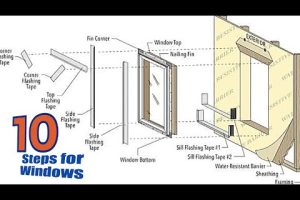
- Installation of the new unit — The new door is fitted, leveled, and secured. Flashing and weatherproofing are applied to prevent leaks.
- Finishing and cleanup — Trim is installed, paint or stain is applied if needed, and the work area is cleaned.
Most single-door replacements can be completed in a single day, though custom units or additional work like frame repairs may extend the timeline.
Cost Considerations and Budget Planning
One of the most frequently asked questions about door and window replacement is: “How much will it cost?” The answer depends on material type, size, energy performance ratings, brand, and the number of openings being replaced. Below is a general comparison of average costs for common options.

| Component | Typical Price Range (per unit) | Installation Included? |
| Single vinyl replacement window | $450 – $900 | Often included |
| Double-pane wood replacement window | $800 – $1,600 | Often included |
| Fiberglass entry door | $1,500 – $3,500 | Usually included |
| Steel entry door with sidelights | $2,000 – $5,000 | Usually included |
| Sliding patio door (vinyl) | $800 – $2,200 | Often included |
| French patio door (wood or fiberglass) | $1,500 – $4,000 | Usually included |
Keep in mind that these are national averages and can vary significantly by region, contractor, and the complexity of the installation. Getting at least three detailed quotes from licensed contractors ensures you get a fair price for quality work.
Return on Investment
Door and window replacement consistently ranks among the top home improvement projects for return on investment. According to Remodeling Magazine’s Cost vs. Value Report, a mid-range window replacement project can recoup approximately 70% to 80% of its cost at resale. Entry door replacements, particularly with premium fiberglass doors, can recoup even more — sometimes over 90%. Beyond resale value, the energy savings alone can offset a significant portion of the upfront investment over the lifespan of the new units.
Hiring a Professional vs. DIY Replacement
While DIY door and window replacement is possible for experienced homeowners, it comes with significant risks. Improperly installed windows and doors can lead to air leaks, water intrusion, structural damage, and voided warranties. Professional installers have the tools, training, and experience to ensure proper fit, sealing, and insulation.
If you do decide to tackle a replacement project yourself, focus on simpler installations like single-slider windows or pre-hung interior doors. For exterior entry doors and large patio openings, the complexity of flashing, insulation, and structural alignment makes professional installation the safer and smarter choice.
When hiring a contractor, look for certifications from organizations like the National Fenestration Rating Council (NFRC), ask for references, verify licensing and insurance, and get written contracts that include warranty details and a clear timeline.
Frequently Asked Questions About Door and Window Replacement
How long does door and window replacement typically last?
High-quality replacement doors and windows can last 20 to 30 years or more with proper maintenance. Vinyl and fiberglass units tend to have the longest lifespans because they resist warping, rot, and corrosion better than wood or aluminum alternatives.
Are replacement windows and doors worth the cost?
Yes. Beyond immediate energy savings of 10% to 25% on heating and cooling costs, replacement doors and windows improve home comfort, increase resale value, reduce outside noise, and prevent costly water damage from air and moisture infiltration.
How do I choose the right energy-efficient windows for my home?
Look for windows with a low U-factor (measures heat loss) and a low Solar Heat Gain Coefficient (SHGC) if you live in a warm climate. Double-pane windows with Low-E coatings and argon gas fill offer excellent performance for most climates. The NFRC label on every certified window provides the ratings you need to compare products objectively.
Can I replace just one window or door at a time?
Absolutely. You don’t need to replace every door and window in your home at once. Many homeowners phase their projects over several years, prioritizing the most damaged or least efficient units first. This approach spreads the cost out and allows you to focus on the openings that will deliver the greatest immediate improvement.
What’s the difference between a full-frame and a retrofit door or window replacement?
A full-frame replacement involves removing the entire unit — including the frame and any surrounding trim — and installing a brand-new assembly. A retrofit or insert replacement keeps the existing frame and installs a new window or door unit inside it. Retrofit options are faster and less expensive, but they may not address underlying structural issues or allow you to change the unit’s size or style.
Door and window replacement is more than a cosmetic upgrade — it’s a strategic investment in your home’s comfort, energy performance, security, and long-term value. Whether you’re replacing a single drafty window or upgrading your entire home’s entry system, the right choices in materials, styles, and professional installation pay dividends for decades to come. Start by identifying which openings need attention most urgently, research your material options thoroughly, and partner with a trusted contractor who can guide you from selection to a flawless finish. Your home — and your wallet — will thank you for years to come.