


When summer temperatures climb and humidity levels spike, a reliable cooling solution becomes more than a luxury—it becomes a necessity. AC central air systems have long been the gold standard for whole-home comfort, delivering consistent, efficient cooling through a network of ducts and vents distributed throughout your living space. Whether you are building a new home, retrofitting an older property, or simply researching your options, understanding how central air conditioning works, what it costs, and how to maintain it can save you thousands of dollars and years of discomfort. This guide covers everything you need to know about central air systems, from core components and installation considerations to maintenance best practices and real-world comparisons with alternative cooling methods.
What Is AC Central Air? A Complete Breakdown
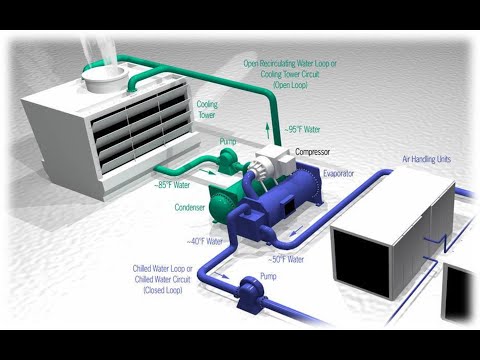
Central air conditioning refers to a climate control system that cools an entire home or building through a unified network of supply and return ducts. Unlike portable or window units that cool individual rooms, a central AC system distributes conditioned air evenly across multiple zones, maintaining a uniform temperature throughout. The system relies on a compressor, condenser coil, evaporator coil, and a blower fan to cycle refrigerant, absorb indoor heat, and release it outside.
Most modern central air units operate on a split-system design, meaning the condenser and compressor sit outdoors while the evaporator coil resides inside, typically mounted above the furnace or air handler. This configuration maximizes efficiency and keeps noisy components outside. For homes without existing ductwork, ductless mini-split systems offer a popular alternative that mimics the benefits of central AC without the extensive installation requirements.
How Central Air Conditioning Systems Work
The cooling cycle begins when the thermostat detects that indoor temperatures have risen above the set threshold. The compressor kicks on, pressurizing refrigerant gas and sending it to the outdoor condenser coil. There, the refrigerant releases absorbed heat to the outside air and transforms into a high-pressure liquid. This liquid flows indoors through an expansion valve, where it drops in pressure and temperature before entering the evaporator coil. As warm indoor air passes over the cold evaporator coil, heat is extracted, and cool air is pushed through the ductwork into each room. The cycle repeats until the desired temperature is reached.
Benefits of Installing Central Air Conditioning
Investing in a central air system delivers advantages that go far beyond simple comfort:
- Whole-Home Consistency: Every room connected to the duct system receives the same quality of cooled air, eliminating hot spots and temperature imbalances common with room-specific units.
- Improved Indoor Air Quality: Central AC systems include air filters that trap dust, pollen, pet dander, and other airborne particles, helping allergy sufferers breathe easier.
- Energy Efficiency: Modern SEER-rated units (Seasonal Energy Efficiency Ratio) can achieve ratings of 18 or higher, significantly reducing electricity consumption compared to older models.
- Quieter Operation: Since the compressor and condenser are located outdoors, indoor noise levels remain minimal, creating a peaceful living environment.
- Increased Property Value: Homes with central air conditioning consistently command higher resale prices and attract more buyers in real estate markets.
- Humidity Control: Central systems effectively pull moisture from the air, reducing that sticky, uncomfortable feeling during humid summer months.
Central Air vs. Window Units: Which Is Right for Your Home?
Choosing between central air conditioning and window-mounted units depends on your home size, budget, and cooling needs. The table below highlights the key differences:
| Feature | Central Air | Window Units |
| Cooling Coverage | Whole home via ducts | Single room only |
| Installation Cost | $5,000–$12,000+ | $300–$1,500 per unit |
| Energy Efficiency | High (modern SEER 16–22) | Moderate (EER 10–12) |
| Aesthetic Impact | Hidden ductwork, clean look | Visible window unit |
| Maintenance Needs | Duct cleaning, filter changes, annual tune-ups | Filter cleaning, unit winterization |
| Lifespan | 15–20 years | 8–15 years |
For homes larger than 1,500 square feet or properties in regions with prolonged hot summers, central air almost always wins on long-term value and comfort. However, renters or those on a tight budget may find window units or portable ACs to be a practical short-term solution.
Key Components of a Central Air System
Understanding the major parts of your AC central air system helps you make informed decisions about repairs, upgrades, and maintenance:

- Outdoor Condenser Unit: Houses the compressor and condenser coil. It releases heat extracted from indoor air to the outside environment.
- Indoor Evaporator Coil: Typically installed above the furnace, this coil absorbs heat from indoor air as refrigerant passes through it.
- Air Handler or Furnace Blower: Powers the fan that pushes cooled air through supply ducts and pulls return air back into the system.
- Thermostat: The control hub that regulates temperature settings and system cycling. Smart thermostats can optimize cooling schedules for maximum efficiency.
- Ductwork: The network of supply and return channels that distributes air throughout the home. Properly sealed and insulated ducts prevent energy loss.
- Refrigerant Lines: Copper tubing connecting the indoor and outdoor units, carrying refrigerant through the cooling cycle.
Choosing the Right Central AC Unit for Your Home
Sizing matters more than brand when selecting a central air conditioner. An undersized unit will struggle to cool your home, running constantly and driving up energy bills. An oversized unit will short-cycle, leading to uneven temperatures, excess moisture, and premature wear. A licensed HVAC contractor should perform a Manual J load calculation, which factors in square footage, insulation levels, window orientation, climate zone, and occupancy to determine the correct British Thermal Unit (BTU) rating for your space.
Look for units with a SEER rating of 16 or above to maximize efficiency. The U.S. Department of Energy now mandates a minimum SEER2 rating of 14.3 for new central air installations, but higher-rated models offer substantial energy savings over their lifespan. Brands like Carrier, Trane, Lennox, and Bryant consistently rank among the top performers in reliability and energy savings.
Maintenance Tips to Extend Your Central AC Lifespan
Routine maintenance is the single most effective way to keep your central air system running efficiently and avoid costly breakdowns. Follow these expert-recommended steps:
- Replace or Clean Filters Every 1–3 Months: Clogged filters restrict airflow, forcing the system to work harder and increasing energy consumption by up to 15 percent.
- Clean the Outdoor Condenser Coil Annually: Remove debris, leaves, and dirt from around the unit to ensure proper airflow and heat dissipation.
- Schedule Professional Tune-Ups Every Spring: A certified technician will inspect refrigerant levels, electrical connections, lubricate moving parts, and test system performance before the cooling season begins.
- Seal and Insulate Ductwork: Leaky ducts can waste 20–30 percent of cooled air before it ever reaches your rooms. Mastic sealant or metal-backed tape offers far superior results compared to standard duct tape.
- Install a Smart Thermostat: Programmable and learning thermostats reduce energy waste by adjusting temperatures based on occupancy patterns and time of day.
- Keep Vents Open and Unobstructed: Furniture, curtains, or rugs blocking supply or return vents create pressure imbalances that reduce system efficiency.
Common Mistakes Homeowners Make with Central AC
Avoid these pitfalls that shorten system lifespan and inflate energy costs:
- Ignoring Strange Noises or Odors: Grinding, squealing, or burning smells often signal mechanical issues that worsen rapidly if left unaddressed.
- Setting the Thermostat Too Low: Cranking the temperature down does not cool your home faster. It only causes the compressor to run longer and increases the risk of frozen evaporator coils.
- Skipping Annual Maintenance: Many homeowners only call a technician when something breaks. Preventive care catches small problems before they become expensive repairs.
- Neglecting Outdoor Unit Clearance: Shrubs, fences, or debris within 12–18 inches of the condenser unit restrict airflow and reduce cooling capacity.
Conclusion
AC central air remains the most effective, efficient, and comfortable way to cool a home in hot climates. From selecting the right system size and SEER rating to performing consistent maintenance and avoiding common operational mistakes, every decision you make impacts your comfort, energy bills, and the longevity of your equipment. Whether you are planning a full installation or upgrading an existing unit, working with a licensed HVAC professional ensures your system is properly sized, installed, and optimized for years of reliable performance. Central air is not just an appliance—it is a long-term investment in your home’s value, your family’s health, and your daily quality of life.
Frequently Asked Questions
How Much Does It Cost to Install AC Central Air in a 2,000 Square Foot Home?
Average installation costs for a central air system in a 2,000-square-foot home range from $5,500 to $10,000, including equipment, labor, and any necessary ductwork modifications. The final price depends on the SEER rating, brand, local labor rates, and whether your home already has existing ductwork. Homes requiring extensive new duct installation or electrical panel upgrades may push costs toward the higher end of this range.
What SEER Rating Should I Look For When Buying a New Central Air Conditioner?
Choose a unit with a minimum SEER rating of 16 for optimal energy efficiency and long-term savings. Higher SEER ratings (18–22) are ideal for hot climates or homeowners looking to maximize return on investment. While premium units cost more upfront, the reduced monthly energy bills often offset the difference within five to seven years.
How Often Should I Replace the Air Filter in My Central Air System?
Replace disposable filters every 1–3 months, depending on factors like pet ownership, allergies, indoor smoking, and local air quality. HEPA filters and high-efficiency pleated filters can last up to six months but should still be inspected monthly during heavy-use seasons. A dirty filter is the most common cause of reduced cooling performance and increased energy consumption.
Can I Install Central Air Conditioning in a Home Without Existing Ductwork?
Yes. Options include installing a ductless mini-split system, adding ductwork during a renovation, or using a ductless hybrid system that combines a central air condenser with wall-mounted indoor units. Each approach has different cost implications and aesthetic considerations, so consult an HVAC professional to determine the best solution for your specific floor plan.
What Is the Average Lifespan of a Central Air Conditioning System?
With proper maintenance, a central air conditioner typically lasts 15–20 years. Units that receive annual professional tune-ups and regular filter replacements consistently outperform neglected systems. After 10–12 years, consider the age of your equipment when evaluating repair versus replacement decisions, as newer models offer dramatically improved energy efficiency and reliability.