If you have ever dreamed of enjoying the breathtaking beauty of cherry blossom trees without stepping outside, indoor cherry blossom care might be the perfect endeavor for you. Growing cherry blossom trees indoors is not only possible but deeply rewarding when you understand the specific needs of these ornamental trees. Whether you are a beginner looking to add a stunning focal point to your living room or an experienced gardener exploring bonsai-style sakura cultivation, this comprehensive guide covers everything you need to know about indoor cherry blossom tree care. From light and watering to soil composition and pest management, we will walk you through every critical aspect so your potted cherry blossom thrives year after year.
Why Grow Cherry Blossom Trees Indoors
Cherry blossom trees, known botanically as Prunus serrulata and related species, are celebrated worldwide for their ephemeral blooms and graceful branches. While these trees traditionally flourish outdoors in temperate climates, many dwarf and compact cultivars adapt remarkably well to indoor environments. Growing cherry blossoms indoors allows you to enjoy their ethereal beauty regardless of your hardiness zone, and it gives you complete control over growing conditions like temperature, humidity, and soil moisture.
Indoor cultivation also makes cherry blossom care accessible to apartment dwellers and those in colder climates where outdoor growing is impractical. With the right approach, a potted cherry blossom tree can live for decades indoors, producing delicate pink and white flowers each spring that fill your home with a gentle, sweet fragrance.
Choosing the Right Cherry Blossom Variety for Indoor Growing
Not all cherry blossom varieties are suited for indoor life. Choosing the right cultivar is the single most important decision you will make when starting your journey with indoor cherry blossom tree care. The best varieties for indoor cultivation are naturally compact, slow-growing, and adaptable to container living.
Best Indoor Cherry Blossom Varieties
- Prunus incisa ‘Okame’: A compact, early-blooming variety with vibrant pink flowers that adapts well to pots and limited space.
- Prunus serrulata ‘Kanzan’: A popular double-flowered cultivar with lush, layered petals that grows well in large containers indoors.
- Prunus subhirtella ‘Pendula’: The weeping cherry variety, which can be trained as a miniature tree and responds beautifully to indoor pruning techniques.
- Prunus ‘Shirofugen’: A dwarf-friendly cultivar with white-to-pink blooms that maintains a manageable size in indoor settings.
When selecting a tree, look for healthy specimens with firm bark, vibrant green leaves, and no signs of root rot or pest damage. A younger tree between one and three years old typically transitions to indoor life more successfully than an older, established tree.
Essential Indoor Care Guide for Cherry Blossom Trees
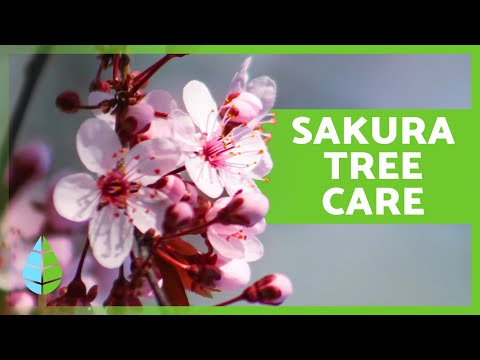
Successfully caring for a cherry blossom tree indoors requires attention to several interdependent factors. Each element of the care routine — from light and watering to soil and pruning — plays a vital role in keeping your tree healthy and encouraging consistent blooming.
Light Requirements for Indoor Cherry Blossoms
Cherry blossom trees are sun-loving plants that need abundant bright light to thrive indoors. Place your tree near a south-facing window where it will receive at least six to eight hours of direct sunlight daily. If natural light is insufficient, supplement with full-spectrum LED grow lights positioned about 12 to 18 inches above the canopy for 10 to 12 hours per day.
Insufficient light is the most common reason indoor cherry blossoms fail to bloom or develop leggy, weak growth. Rotate the pot a quarter turn each week to ensure even exposure across all branches, which promotes balanced, symmetrical growth.
Watering and Humidity Management
Maintaining the right moisture balance is critical for cherry blossom tree indoor care. These trees prefer consistently moist but never waterlogged soil. Water deeply when the top inch of soil feels dry to the touch, allowing excess water to drain freely through the bottom of the container.
- Check soil moisture daily during active growing seasons (spring and summer) using your finger or a moisture meter.
- Reduce watering frequency in autumn and winter when the tree enters a period of dormancy.
- Use room-temperature water to avoid shocking the root system during colder months.
- Increase ambient humidity by placing a tray of water and pebbles beneath the pot or misting the foliage lightly each morning.
Cherry blossom trees are sensitive to both overwatering and underwatering. Yellowing leaves often indicate excess moisture, while crispy, curling leaf edges suggest the air is too dry or the tree needs more water.
Soil Composition and Fertilization
A well-draining, slightly acidic soil mix is essential for healthy indoor cherry blossoms. The ideal growing medium combines equal parts of:
- Acidic potting soil (pH 5.5 to 6.5)
- Perlite or pumice for aeration and drainage
- Aged pine bark fines to improve structure and retain moisture
Feed your indoor cherry blossom with a balanced, slow-release fertilizer (such as a 10-10-10 NPK ratio) applied every four to six weeks during the growing season. Switch to a low-nitrogen formula in late summer to encourage flower bud development rather than excessive foliage growth.
Common Problems and How to Solve Them
Even with diligent care, indoor cherry blossom trees can encounter challenges. Recognizing problems early and responding with the correct solution will keep your tree healthy and thriving.
Pest Management
Common indoor pests include aphids, scale insects, spider mites, and mealybugs. Inspect your tree regularly, paying close attention to the undersides of leaves and new growth tips. Treat infestations promptly with insecticidal soap or neem oil spray applied every seven to ten days until the problem resolves.
Disease Prevention
Fungal issues such as powdery mildew and root rot are the most common diseases affecting indoor cherry blossoms. Prevent these by ensuring adequate air circulation around the tree, avoiding overhead watering, and never allowing the pot to sit in standing water. If root rot develops, repot the tree immediately in fresh, sterile soil and trim away any dark, mushy roots with sterilized pruning shears.
Pruning and Shaping Your Indoor Cherry Blossom Tree
Pruning is an essential component of cherry blossom tree indoor care that serves both aesthetic and health purposes. Regular pruning maintains a manageable size, improves air circulation, and encourages the growth of flowering spurs where blooms will appear the following season.
The best time to prune is immediately after the tree finishes blooming in late spring or early summer. This timing ensures you do not remove next year’s flower buds, which form on the previous season’s growth. Use clean, sharp bypass shears to make precise cuts at a 45-degree angle just above a lateral bud or branch junction.
For indoor growers interested in bonsai-style cultivation, structural wiring and selective branch removal can shape the tree into a miniature masterpiece. Start training young trees for the best results, and always use soft wire to avoid damaging the flexible bark of cherry branches.
Seasonal Care and Encouraging Indoor Blooms
Cherry blossom trees require a natural seasonal cycle to produce flowers. Understanding and replicating these seasonal cues indoors is key to achieving reliable, spectacular blooms each year.
The Chilling Period: Why It Matters
Most cherry blossom varieties need a period of cold dormancy — typically 400 to 1,000 hours of temperatures between 32°F and 45°F (0°C and 7°C) — to set flower buds. Without this chilling requirement, your tree may grow vigorously but produce few or no blooms.
To satisfy the chilling requirement indoors, place your tree in an unheated garage, basement, or cool room for six to eight weeks during late winter. Reduce watering slightly during this period and keep the tree in a location with natural light but cooler temperatures. Return the tree to its warm, bright indoor spot once buds begin to swell in early spring.
Comparison Table: Indoor vs. Outdoor Cherry Blossom Care
| Care Factor | Indoor Care | Outdoor Care |
| Light | South-facing window or grow lights; 6-8 hours daily | Full sun; 6-8+ hours naturally |
| Watering | Monitor soil moisture closely; water when top inch is dry | Rain supplement needed only during drought |
| Humidity | Often too low; requires misting or humidifier | Naturally regulated by outdoor air |
| Temperature | 60-75°F; needs cool dormancy period indoors | Natural seasonal temperature shifts |
| Soil | Must be well-draining container mix; pH 5.5-6.5 | Native soil can be amended with organic matter |
| Pest Exposure | Lower risk but still vulnerable to aphids and mites | Higher exposure to birds, insects, and diseases |
| Blooming | Requires manual chilling period for bud set | Chilling occurs naturally with seasonal weather |
Expert Tips for Long-Term Indoor Cherry Blossom Success
Caring for a cherry blossom tree indoors is a long-term commitment that rewards patience and attention to detail. Here are expert-recommended strategies to ensure your tree stays healthy and beautiful for years:

- Repot every two to three years in early spring, upgrading to a container one size larger with fresh, well-draining soil to prevent root-bound stress.
- Clean the leaves regularly with a damp cloth to remove dust and allow the tree to photosynthesize efficiently.
- Monitor for salt buildup from fertilizer by flushing the soil with plain water every few months, allowing it to drain completely.
- Keep the tree away from heating vents and radiators, which dry out the air and stress the foliage during winter months.
- Be patient with young trees. It can take three to five years for a newly potted cherry blossom to establish itself and produce its first full flush of indoor blooms.
- Observe and respond to your tree’s signals. Leaf drop, discoloration, and slow growth are all communication from your tree — address the underlying cause quickly rather than waiting for the problem to escalate.
Final Thoughts on Cherry Blossom Trees Indoor Care
Growing a cherry blossom tree indoors is a deeply fulfilling horticultural pursuit that brings the timeless elegance of sakura into your everyday life. By selecting the right variety, providing ample light, maintaining proper watering and humidity, and respecting the tree’s seasonal dormancy needs, you create the ideal conditions for healthy growth and stunning blooms. Whether you are nurturing a compact dwarf cultivar on your apartment windowsill or shaping a miniature masterpiece through bonsai techniques, the principles of indoor cherry blossom care remain the same: consistency, observation, and a genuine love for the process.
Start with a healthy young tree, follow the care guidelines outlined in this guide, and give your cherry blossom the time and attention it deserves. In return, you will be rewarded with years of breathtaking indoor blooms that transform your living space into a serene, garden-like sanctuary. The journey of indoor cherry blossom cultivation is as beautiful as the flowers themselves.
Frequently Asked Questions
How long can a cherry blossom tree live indoors? With proper care and consistent attention to its environmental needs, an indoor cherry blossom tree can live for 20 to 30 years or more. The key factors that determine longevity are appropriate light, correct watering practices, regular repotting, and satisfying the annual chilling requirement for bud development.
Why is my indoor cherry blossom tree not blooming? The most common reasons for a lack of blooms include insufficient light, failure to provide a cold dormancy period, over-fertilization with nitrogen-heavy formulas, or the tree being too young. Address each of these factors systematically, and you should see flower buds forming within one to two growing seasons.
What is the best soil pH for growing cherry blossom trees indoors? Cherry blossom trees prefer slightly acidic soil with a pH between 5.5 and 6.5. Using a quality acidic potting mix amended with perlite and pine bark fines will maintain the correct pH range and ensure healthy root development and nutrient absorption.
Can you grow a cherry blossom tree from a cutting indoors? Yes, propagating cherry blossom trees from semi-hardwood cuttings taken in late spring is possible indoors. Dip the cutting in rooting hormone, plant it in a well-draining medium, and maintain high humidity with a plastic dome or misting until roots develop in four to eight weeks.
How often should I repot my indoor cherry blossom tree? Repot every two to three years during early spring, just before the growing season begins. Look for roots circling the bottom of the pot or emerging from drainage holes as signs that the tree has outgrown its current container.
Is it safe to keep a cherry blossom tree indoors with pets? Cherry blossom trees are generally considered mildly toxic to cats and dogs if leaves or stems are ingested in large quantities. The stems, leaves, and seeds contain cyanogenic glycosides that can cause gastrointestinal discomfort. Place your tree out of reach of curious pets to ensure a safe indoor environment for both your plant and your animals.