Keeping your home cooling system running efficiently year after year depends on one thing most homeowners overlook until something goes wrong: consistent maintenance. A well-maintained air conditioning unit doesn’t just keep your living space comfortable during scorching summer months — it also saves you money on energy bills, prevents unexpected breakdowns, and significantly extends the operational lifespan of your equipment. Whether you own a central air system, a ductless mini-split, or a window unit, understanding the fundamentals of AC care puts you in control of your home’s comfort and your household budget. In this guide, we’ll walk you through everything you need to know about maintaining your home AC system, from basic homeowner tasks to strategies that professional HVAC technicians swear by.
Why Home AC System Maintenance Matters More Than You Think

Many homeowners treat their air conditioning system like a set-it-and-forget-it appliance. The truth is, your AC works incredibly hard every single day during the cooling season, cycling on and off dozens of times to maintain your desired indoor temperature. Without regular attention, dust accumulates on coils, refrigerant levels drop, electrical connections loosen, and efficiency plummets. The Department of Energy estimates that routine maintenance can improve your AC’s energy efficiency by up to 15%, which translates directly into lower monthly utility costs. Beyond savings, neglected systems are far more likely to experience catastrophic failures in the middle of a heatwave — exactly when you need them most. Investing time and a small amount of money into preventive HVAC care pays enormous dividends in reliability, air quality, and long-term savings.
Essential Home AC Maintenance Checklist
A structured maintenance routine is the backbone of effective AC care. Breaking tasks into monthly, seasonal, and annual categories makes the process manageable and ensures nothing slips through the cracks.
Monthly AC Maintenance Tasks
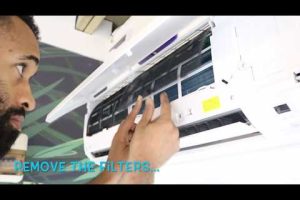
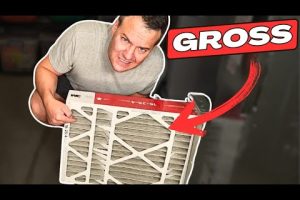
- Check and replace or clean your air filter. This is the single most impactful thing you can do. A clogged filter restricts airflow, forces your system to work harder, and degrades indoor air quality. Check it every month during heavy-use season and replace disposable filters or clean reusable ones when they look dirty.
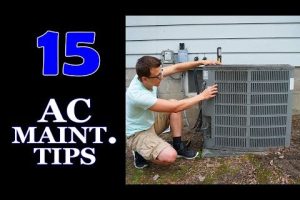
- Inspect the outdoor condenser unit. Clear away leaves, grass clippings, debris, and any obstructions within a two-foot radius of the unit. Good airflow around the condenser is critical for heat exchange efficiency.
- Listen for unusual sounds. Grinding, squealing, or rattling noises can signal loose components, bearing wear, or refrigerant issues that need professional attention before they escalate.
Seasonal and Annual AC Maintenance Tasks
- Clean the evaporator and condenser coils. Dirty coils reduce heat absorption and transfer efficiency. Use a soft brush and no-rinse coil cleaner annually.
- Check and flush the condensate drain line. Algae and mold buildup can clog the drain, leading to water damage and elevated indoor humidity. Pour a mixture of vinegar and water through the line to clear it out.
- Inspect the thermostat calibration. An inaccurate thermostat causes your system to overcool or undercool. Consider upgrading to a programmable or smart thermostat for better control.
- Lubricate moving parts. Motors and fan bearings benefit from periodic lubrication, which reduces friction and prevents premature wear.
- Check refrigerant charge. Low refrigerant usually indicates a leak. Only a licensed HVAC technician should handle refrigerant-related work.
- Tighten electrical connections and test capacitors. Faulty connections are a leading cause of AC failure and can be a safety hazard.
DIY AC Maintenance vs. Professional HVAC Service: What to Handle Yourself
Understanding the line between tasks you can do on your own and those that require a certified HVAC professional helps you get the most value from your maintenance efforts without risking damage or voiding warranties.
| Task | DIY? | Difficulty | Frequency |
| Replace air filter | Yes | Easy | Every 1–3 months |
| Clean condenser fins | Yes | Easy | Monthly during summer |
| Clear debris around outdoor unit | Yes | Easy | Monthly |
| Flush condensate drain | Yes | Moderate | Twice per year |
| Check thermostat settings | Yes | Easy | Seasonally |
| Clean evaporator coil | Advanced | Moderate–Hard | Annually |
| Check refrigerant levels | No | Professional | Annually |
| Full system inspection and tune-up | No | Professional | Annually |
| Electrical component testing | No | Professional | Annually |
As the table shows, the majority of routine maintenance is homeowner-friendly. However, tasks involving refrigerant handling, electrical diagnostics, and internal component inspection should always be left to qualified technicians. Attempting advanced repairs without proper training can lead to costly mistakes, safety risks, and warranty voidance.
Common AC Maintenance Mistakes Homeowners Make
Even well-intentioned homeowners sometimes undermine their AC maintenance efforts with common habits. Being aware of these pitfalls helps you avoid them:
- Ignoring the air filter. Running with a dirty filter for months is the fastest way to reduce system efficiency and increase wear on the blower motor.
- Blocking vents and registers. Furniture, curtains, or storage placed over supply and return vents restrict airflow and create pressure imbalances that strain the system.
- Skipping professional tune-ups. A professional HVAC inspection catches issues invisible to the naked eye — refrigerant leaks, worn belts, electrical degradation — before they become expensive repairs.
- Using the wrong thermostat setting. Setting the thermostat at an extremely low temperature in hopes of cooling faster does nothing but waste energy. Your system cools at the same rate regardless of the setpoint.
- Neglecting the outdoor unit. Plants, fences, or structures placed too close to the condenser restrict airflow and reduce cooling capacity significantly.
How Regular Maintenance Extends Your AC System Lifespan
The average central air conditioner lasts between 12 and 15 years, but that range assumes proper care. Systems that receive no scheduled maintenance frequently fail after 8 to 10 years, often requiring full replacement far earlier than necessary. Regular maintenance keeps internal components operating within their designed parameters, reduces thermal stress on the compressor, and prevents the cascade of wear that comes from running a system under strain. Think of AC maintenance as health insurance for your cooling equipment — a small, predictable investment that prevents the much larger cost of premature replacement.
Seasonal AC Maintenance: Timing Is Everything
The best time to schedule a professional AC tune-up is in the spring, ideally April or May, before the summer cooling season begins. This gives a technician the opportunity to identify and resolve any issues before the system is under heavy load. Homeowners should also perform a few seasonal tasks on their own:
- Spring: Clean the area around the outdoor unit, replace filters, and test the system by running it on cool for the first time. Listen for any irregularities in operation.
- Summer: Monitor the condensate drain for proper flow, check filters monthly, and ensure the thermostat is functioning accurately. Keep the outdoor unit clear of debris throughout the hottest months.
- Fall and Winter: Cover or protect the outdoor unit if you live in an area with heavy leaf fall or winter precipitation. Consider a professional inspection if your system also handles heating, to ensure the heat pump or furnace components are ready for the colder months.

Energy-Saving Maintenance Tips That Make a Real Difference
Maintenance and energy efficiency go hand in hand. A clean, well-tuned system uses significantly less electricity than one that has been neglected. Here are expert-backed tips that deliver measurable results:
- Seal ductwork leaks with mastic sealant or metal tape. Leaky ducts can waste 20 to 30 percent of conditioned air before it ever reaches your living space.
- Ensure your home has adequate insulation, especially in the attic and around ductwork that passes through unconditioned spaces.
- Use ceiling fans to create a wind-chill effect, allowing you to raise the thermostat by 4 degrees Fahrenheit without sacrificing comfort.
- Install a programmable thermostat and set it to raise the temperature when no one is home. This reduces runtime and wear on the compressor.
- Keep blinds and curtains closed on sun-facing windows during peak afternoon hours to reduce the cooling load on your system.
Final Thoughts on Maintaining Your Home AC System
Home AC system maintenance is not a luxury — it’s a necessity for any homeowner who wants reliable comfort, clean indoor air, and long-term savings. By following a consistent maintenance schedule, handling the tasks within your ability, and partnering with a trusted HVAC professional for annual inspections, you protect your investment and keep your cooling system running at peak performance for years to come. The small effort you put into maintenance today prevents the stress and expense of emergency repairs tomorrow.
Frequently Asked Questions About Home AC Maintenance
How often should I replace my AC air filter during summer months? During peak cooling season, you should check your air filter every month and replace disposable filters or clean reusable ones whenever they appear visibly dirty or clogged. Homes with pets, allergies, or high dust levels may need filter changes every three to four weeks to maintain proper airflow and indoor air quality.
What does a professional AC tune-up typically include? A standard professional AC tune-up usually involves inspecting and cleaning the evaporator and condenser coils, checking refrigerant levels, testing electrical components and capacitors, lubricating moving parts, verifying thermostat accuracy, cleaning the condensate drain, and measuring system airflow to ensure everything is operating within manufacturer specifications.
Can I perform AC maintenance myself or do I always need a technician? You can safely handle filter replacement, outdoor unit cleaning, condensate drain flushing, and thermostat checks yourself. However, refrigerant handling, electrical diagnostics, compressor inspection, and internal component repairs require a licensed HVAC technician to ensure safety, compliance, and warranty protection.
How much does a professional AC maintenance service cost, and is it worth it? Most professional AC tune-ups range from $75 to $200 depending on your region and the complexity of your system. Given that a single emergency repair can cost $300 or more and a full system replacement runs $5,000 to $10,000, the cost of annual maintenance is a worthwhile investment that prevents far larger expenses down the road.
What are the signs that my AC system needs immediate maintenance? Warning signs include weak airflow from vents, warm air blowing instead of cool air, unusual noises like grinding or banging, ice buildup on the evaporator coil or refrigerant lines, a persistent musty smell, or a sudden spike in your energy bills. Any of these symptoms warrant a prompt inspection to prevent further damage.
Does regular AC maintenance help with indoor air quality? Absolutely. A well-maintained system with clean filters and coils effectively traps dust, pollen, pet dander, and other airborne particles. Neglected systems, on the other hand, circulate contaminants through your ductwork and living spaces, which can worsen allergies and respiratory issues for your household.