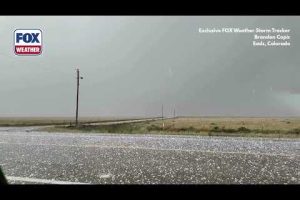
Tampa, Florida sits squarely in one of the most storm-prone regions in the entire United States, and among the most disruptive weather events the area endures, hail Tampa storms stand out for their sudden intensity and widespread damage. Whether you are a longtime resident or someone new to the Tampa Bay area, understanding how hail forms, when it strikes, and what you can do to protect your property is essential knowledge. This comprehensive guide dives deep into the science, the seasonal patterns, the damage risks, and the practical steps you can take before, during, and after a hailstorm hits Tampa and the surrounding Gulf Coast communities.
What Causes Hail in Tampa and Why Is the Area So Vulnerable?
Hail forms inside powerful thunderstorm clouds called cumulonimbus cells, where powerful updrafts carry water droplets high into the atmosphere, well above the freezing level. Those droplets freeze and collide with supercooled moisture, layering ice until the hailstones become too heavy for the updraft to support and fall to the ground. Tampa’s unique geographic position on the west coast of Florida creates a perfect breeding ground for these storms.
Why Tampa Bay Experiences Frequent Hail Events
Several atmospheric and geographic factors make Tampa especially prone to hail:
- Sea breeze collisions: The warm waters of Tampa Bay and the Gulf of Mexico feed moisture into the atmosphere, and when the afternoon sea breeze fronts collide, they trigger powerful convective storms that can produce hail.
- High convective available potential energy (CAPE): During spring and summer, Tampa regularly experiences elevated CAPE values, meaning the atmosphere is primed for explosive thunderstorm development capable of generating large hail.
- Warm Gulf waters: Sea surface temperatures in the Gulf regularly exceed 80°F during the warmer months, providing ample fuel for intense storm cells.
- Flat terrain: Unlike areas with mountainous landscapes that disrupt storm cells, Tampa’s flat topography allows storms to maintain their intensity and travel across large areas without weakening.
The Impact of Hail Tampa Storms on Properties and Infrastructure
When hail strikes Tampa neighborhoods, the consequences can be devastating — from shattered windshields to compromised roofing systems that lead to costly water intrusion months later. Understanding the scope of damage helps homeowners and business owners take appropriate action quickly.
Roof Damage from Hail in Tampa

Your roof is the first line of defense during a hailstorm, and Tampa hail events can inflict serious damage on roofing materials. Asphalt shingles may lose their granules, showing bare patches or soft spots where the impact has fractured the fiberglass mat beneath. Metal roofs can develop visible dents, and tile roofs may crack or shatter entirely. Even minor hail damage can shorten a roof’s lifespan significantly by compromising its water-shedding ability.
Vehicle and Exterior Damage
Hail Tampa events also wreak havoc on vehicles parked outdoors. Dents, chipped paint, and cracked windshields are common outcomes. Beyond cars, outdoor HVAC units, screened enclosures, patio furniture, and irrigation systems frequently sustain damage during severe hail storms across Hillsborough, Pinellas, and Pasco counties.
Comparing Hail Damage Across Different Tampa Roof Types
| Roof Type | Common Hail Damage | Repair Cost Range | Severity |
| Asphalt Shingles | Bruising, granule loss, cracked shingles | $5,000 – $15,000 | Moderate to Severe |
| Metal Roofing | Dents, paint damage, fastener loosening | $3,000 – $10,000 | Mild to Moderate |
| Clay/Concrete Tiles | Cracking, chipping, broken tiles | $8,000 – $20,000 | Severe |
| Flat TPO/EPDM Membrane | Punctures, membrane stress cracks | $4,000 – $12,000 | Moderate |
| Slate Roofing | Fractures, shattered pieces | $10,000 – $25,000+ | Severe |
As the table illustrates, tile and slate roofs tend to suffer the most catastrophic damage from hail Tampa storms, while metal roofs — though still susceptible to cosmetic dents — generally hold up better structurally. Asphalt shingles, the most common roofing material in the Tampa Bay area, occupy the middle ground, offering moderate resistance but still prone to granule loss that accelerates aging and deterioration.
Tampa Hail Storm Season: When Do Hail Events Occur?
Understanding the timing of hail activity in Tampa helps homeowners prepare proactively. While Florida’s subtropical climate means severe storms can occur year-round, the peak hail season follows a predictable pattern.
- Peak Season (May through September): The combination of high humidity, intense solar heating, and frequent afternoon thunderstorms creates the most favorable conditions for hail formation. June and July are particularly active months.
- Secondary Peak (March through April): Spring fronts interacting with warm Gulf moisture can trigger powerful supercell storms capable of producing large hail.
- Off-Season (October through February): Hail events are less frequent but not impossible. Winter cold fronts crossing warm Gulf waters can still produce thunderstorms with hail, though these tend to be smaller and less intense.
The Tampa Bay area averages between 15 and 25 thunderstorm days per year, with a meaningful percentage of those events producing measurable hail. The largest documented hailstone in the Tampa Bay region measured approximately 2.5 inches in diameter, recorded during a severe summer thunderstorm that caused widespread property damage across Hillsborough County.
How to Protect Your Home and Vehicle from Hail Tampa Storms

Preparation is the single most effective strategy for minimizing hail damage in Tampa. Whether you are building a new home or fortifying an existing property, these expert recommendations can make a meaningful difference.
Preventive Measures and Protective Steps
- Install impact-resistant roofing materials: Class 4 impact-rated shingles or standing seam metal roofing can dramatically reduce hail penetration. Many Tampa insurers offer premium discounts for Class 4 roofing installations.
- Replace aging roofs proactively: Older, worn roofing materials are far more vulnerable to hail damage. If your roof is over 15 years old, consider a preemptive replacement before the next storm season.
- Use storm shutters or impact-rated windows: Protecting the building envelope from hail infiltration reduces the risk of interior water damage.
- Park vehicles in covered structures: Garage parking or covered carports offer the best protection during Tampa hail events.
- Install hail guards or mesh screens over HVAC units: These protective covers reduce denting and puncturing of condenser coils and fins.
- Trim trees regularly: Overhanging branches can break during hail storms and cause secondary damage to roofs, fences, and vehicles.
- Document your property condition: Before storm season, take dated photographs of your roof, exterior walls, and vehicles from multiple angles. This documentation is invaluable when filing insurance claims after a hailstorm.
Filing Hail Damage Insurance Claims in Tampa
Florida is a unique insurance market, and navigating a hail damage claim in the Tampa Bay area requires both knowledge and timing. After a Tampa hail event, here is the process you should follow:
- Document everything immediately: Photograph all visible damage from multiple angles, including close-ups of individual hail impacts on shingles, siding, and vehicles.
- Contact your insurance provider promptly: Florida law requires policyholders to notify insurers within a reasonable timeframe, and most policies specify a notification period of 60 days or less from the date of discovery.
- Request a professional roof inspection: Many hail impacts are not visible from ground level. Hire a licensed Tampa roofing contractor who has experience identifying hail damage, as they can detect granule loss, soft spots, and stress cracks that insurers will look for.
- Get written estimates from at least three contractors: Insurance adjusters often use the Xactimate estimating software, and having independent estimates that align with industry-standard pricing strengthens your claim.
- Understand your policy’s hail deductible: Many Florida homeowners policies now carry separate wind and hail deductibles, often calculated as a percentage of the dwelling coverage (commonly 1% to 5%). Be aware of this figure before filing.
- Do not sign any assignment of benefits (AOB) agreements without careful review: AOBs transfer your claim rights to a third party, which can sometimes lead to inflated estimates and legal disputes with your insurer.
Frequently Asked Questions About Hail in Tampa
What size hail causes the most damage to Tampa homes?
Hailstones measuring 1 inch in diameter or larger (roughly the size of a quarter) are classified as severe by the National Weather Service and are capable of causing significant damage to roofing materials, vehicles, and vegetation. In Tampa, hailstones of 1.5 inches or larger during summer storms frequently result in insurance claims for roof replacement.
How long after a Tampa hail storm should I inspect my roof?
You should arrange a professional roof inspection within 48 to 72 hours after any hailstorm. Early inspection is critical because hail impacts that are not immediately repaired can lead to progressive water infiltration, especially during Tampa’s frequent afternoon rains. Delaying inspection can turn a repairable situation into a full roof replacement.
Does Florida homeowners insurance cover hail damage?
Yes, the vast majority of Florida homeowners insurance policies cover hail damage as a named peril. However, policies increasingly include a separate deductible for wind and hail, which is typically a percentage of your dwelling coverage rather than a flat dollar amount. Review your policy declarations page carefully to understand your specific hail deductible and coverage limits.
What should I do immediately after a hail Tampa storm if I have damage?
First, ensure all family members and pets are safe and that there are no immediate hazards such as downed power lines. Next, document all damage with photographs and video. Contact your insurance company to open a claim, and then engage a licensed Tampa roofing contractor to assess the damage in writing. Temporary repairs, such as tarping exposed areas, should be performed promptly to prevent secondary water damage, and keep all receipts for reimbursement.
Are there any warning signs that hail is about to strike in Tampa?
The National Weather Service issues severe thunderstorm warnings when hail of 1 inch or larger is detected on radar or reported by spotters. However, Tampa’s storm development can be rapid, and warnings sometimes arrive with only 10 to 20 minutes of lead time. If you see dark, greenish-tinged clouds, hear a rumbling sound that intensifies rapidly, or observe sudden temperature drops, seek shelter immediately and move vehicles and outdoor items under cover if it is safe to do so.
Tampa’s relationship with hail is an ongoing reality that every resident must respect and prepare for. The combination of Gulf moisture, intense summer heat, and the collision of sea breeze fronts creates a recurring cycle of severe thunderstorm activity that produces hail with alarming regularity. By understanding the science behind these storms, knowing when to expect them, investing in protective upgrades, and knowing exactly how to navigate the insurance claims process afterward, Tampa homeowners and business owners can significantly reduce the financial and structural toll that hailstorms inflict. The key takeaway is simple: proactive preparation today prevents devastating consequences tomorrow. Stay informed, stay protected, and make hail readiness a permanent part of your Tampa living strategy.