When temperatures climb and the summer heat becomes unbearable, there’s one invention that truly transforms the quality of everyday life: the air conditioning system. Whether you’re cooling a small apartment in a humid coastal city or managing climate control for an entire commercial building, understanding how your AC works, how to maintain it, and how to choose the right system can make all the difference between sweltering discomfort and total thermal comfort. This comprehensive guide dives deep into everything you need to know about air conditioning — from the core science of how cooling technology works to practical air conditioner maintenance tips that will extend the lifespan of your unit by years. Whether you’re a homeowner researching a new HVAC system installation or a curious reader wanting to understand cooling better, this article covers beginner fundamentals, intermediate insights, and advanced considerations all in one place.
How Does Air Conditioning Actually Work?
At its core, air conditioning isn’t about creating cold air — it’s about removing heat and moisture from indoor spaces. This distinction is important because it explains why your AC system manages both temperature and humidity, delivering a more comfortable indoor environment. Understanding the refrigeration cycle is the foundation of everything else in this article.
The Refrigeration Cycle Explained
The refrigeration cycle is a continuous loop that moves refrigerant — a special chemical compound — through four key stages:
- Evaporation: The refrigerant absorbs heat from indoor air as it passes through the evaporator coil, turning from a liquid into a gas.
- Compression: The compressor pressurizes the gaseous refrigerant, raising its temperature significantly.
- Condensation: The hot, pressurized gas flows to the outdoor unit, where it releases heat and condenses back into a liquid.
- Expansion: The liquid refrigerant passes through an expansion valve, dropping in pressure and temperature before re-entering the evaporator to repeat the cycle.
This elegant process runs continuously while your system is on, quietly pulling warmth and excess moisture out of your rooms. The SEER rating (Seasonal Energy Efficiency Ratio) measures how efficiently a system performs this cycle over an entire cooling season, making it a critical metric when comparing units.
Key Components of an AC System
A typical split-system air conditioner includes several essential parts, each performing a specific role in the cooling process:
- Compressor: Often called the “heart” of the system, the compressor pressurizes and circulates refrigerant throughout the unit.
- Evaporator Coil: Located indoors, this is where warm indoor air passes over cold coils, and heat transfer occurs.
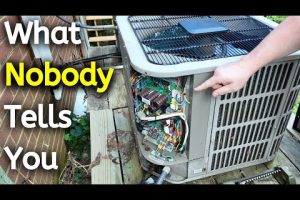
- Condenser Coil: Situated in the outdoor unit, the condenser releases the absorbed heat into the outside air.
- Expansion Valve: Controls the flow of refrigerant into the evaporator, regulating cooling output.
- Air Filter: Traps dust, pollen, and airborne particles, protecting both the system and your indoor air quality.
- Thermostat: The control interface that signals the system to turn on, off, or adjust based on temperature settings.
Knowing these components helps you troubleshoot issues more effectively and communicate clearly with HVAC technicians during servicing appointments.
Types of Air Conditioning Systems
Not all cooling solutions are the same. The best air conditioning system for your home depends on factors like square footage, budget, insulation quality, and regional climate. Here’s a breakdown of the most common configurations:
Central Air Conditioning
Central AC systems use a network of ducts to distribute cooled air throughout an entire house or building. They’re ideal for larger homes and offer consistent, whole-space cooling. Ducted HVAC units typically feature a large outdoor condenser unit paired with an indoor air handler or furnace.
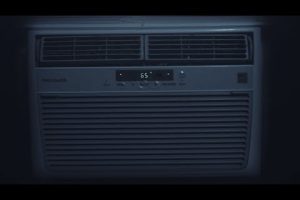
Window Air Conditioners
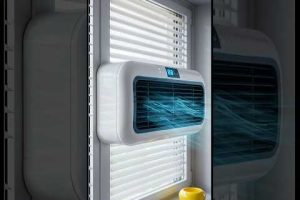
These self-contained units fit into a window frame and cool a single room or area. They’re budget-friendly, easy to install, and popular for renters or smaller spaces. However, they lack the energy efficiency and aesthetic appeal of modern alternatives.
Ductless Mini-Split Systems
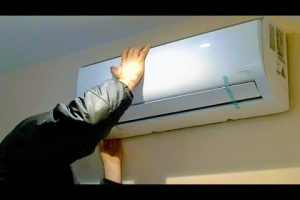
Mini-split systems have grown enormously in popularity because they offer zoned cooling without the need for extensive ductwork. Each indoor unit connects to a single outdoor compressor, allowing independent temperature control for different rooms or zones.
Portable Air Conditioners
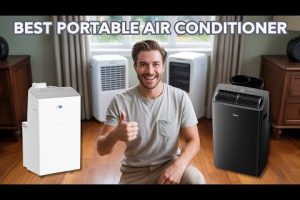
Freestanding units that can be moved from room to room, portable ACs are versatile but generally less efficient than window or ductless models. They require a window venting kit to exhaust hot air outdoors.
Geothermal Cooling Systems
An advanced and highly efficient option, geothermal systems leverage the stable underground temperature to cool your home. While the upfront HVAC installation cost is significantly higher, long-term energy savings and environmental benefits make them appealing for eco-conscious homeowners.
| System Type | Best For | Avg. Lifespan | Energy Efficiency |
|---|---|---|---|
| Central AC | Whole-home cooling, larger homes | 15–20 years | High (SEER 14–22) |
| Window Unit | Single rooms, renters | 8–12 years | Moderate |
| Ductless Mini-Split | Zoned cooling, no ductwork | 15–20 years | Very High (SEER 20–30) |
| Portable AC | Temporary or supplemental cooling | 5–10 years | Low to Moderate |
| Geothermal | Long-term investment, eco-home | 20–25 years | Exceptional |
Energy Efficiency and Calculating Cooling Costs
Air conditioning energy consumption is one of the largest contributors to residential electricity bills, especially in hot climates. Understanding how to reduce cooling costs starts with selecting an efficient unit and operating it wisely.
The SEER rating is the most common efficiency metric in the United States. A higher SEER number means the system uses less electricity to deliver the same amount of cooling. For example, a unit rated at SEER 16 will consume significantly less energy over a summer than one rated at SEER 10, even though both produce the same cooling output.
Beyond the SEER rating, consider these practical energy-saving strategies:
- Seal air leaks around windows, doors, and ductwork to prevent cool air from escaping.
- Use ceiling fans in conjunction with your AC — they allow you to raise the thermostat by a few degrees without sacrificing comfort.
- Install a programmable or smart thermostat to optimize cooling schedules based on your daily routine.
- Keep blinds and curtains closed during peak sunlight hours to reduce heat gain through windows.
- Regularly clean or replace air filters to maintain airflow and prevent the system from overworking.
- Consider solar shading or reflective window film to reduce the thermal load on your home before air even reaches the AC.
These steps can reduce your cooling energy use by 20 to 30 percent, translating into meaningful savings on utility bills over every cooling season.
Air Conditioner Maintenance Best Practices
Routine maintenance is the single most important factor in keeping your cooling system running efficiently and extending its operational lifespan. Neglecting maintenance leads to reduced performance, higher energy bills, and costly breakdowns at the worst possible time — typically during a heatwave.
Monthly and Seasonal Tasks

- Check and replace air filters every 1–3 months, or more frequently if you have pets or allergies.
- Clean the outdoor condenser unit by gently removing debris, leaves, and dirt from the fins and surrounding area.
- Inspect the evaporator coil annually for dirt buildup and clean it carefully with a coil cleaner solution.
- Check refrigerant lines for visible leaks, frost, or damage and contact a professional if you notice any issues.
- Test your thermostat before the cooling season begins to ensure it’s reading accurately and triggering the system properly.
- Straighten bent condenser fins using a fin comb to restore proper airflow around the outdoor unit.

Professional HVAC Service

While homeowners can handle many maintenance tasks independently, scheduling professional AC tune-ups at least once a year — ideally in early spring before peak cooling demand — is essential. A certified technician will measure refrigerant levels, check electrical connections, inspect the blower motor, and identify potential issues before they become expensive repairs.
Common Air Conditioning Problems and Solutions
Even well-maintained systems can develop issues over time. Here are some of the most frequent problems homeowners encounter:
- AC blowing warm air: Often caused by low refrigerant levels, a clogged filter, or a malfunctioning compressor. Check the filter first, then call a technician if the problem persists.
- Ice buildup on coils: Usually results from restricted airflow due to dirty filters or blocked return vents. Turn the system off to let the ice melt, then address the underlying airflow issue.
- Unusual noises: Grinding, squealing, or banging sounds may indicate a failing motor, loose components, or debris inside the unit.
- Short cycling: If the system turns on and off repeatedly, it could be oversized for the space, have a faulty thermostat, or be experiencing refrigerant pressure problems.
- High humidity indoors: An aging or undersized AC unit may struggle to dehumidify effectively. Consider a unit with a higher cooling capacity or a dedicated dehumidifier.
Addressing these issues early — rather than waiting until the system fails entirely — prevents discomfort and avoids emergency repair costs, which are typically 50–100% higher than scheduled service visits.
Air Conditioning and Indoor Air Quality
Your AC system doesn’t just cool; it also filters and circulates air throughout your home. Modern systems equipped with HEPA filters, UV germicidal lights, and advanced filtration media can significantly reduce allergens, bacteria, mold spores, and airborne pollutants. This is especially relevant for households with respiratory conditions, young children, or elderly family members. Investing in indoor air quality upgrades alongside your cooling equipment creates a healthier living environment year-round.
Choosing the Right Air Conditioning System
Selecting the best cooling solution requires balancing several factors:
- Calculate your cooling load — a professional Manual J load calculation factors in square footage, insulation, window orientation, and local climate to determine the right BTU capacity.
- Set a realistic budget — remember to account for installation costs, ongoing energy bills, and long-term maintenance when comparing upfront prices.
- Prioritize certifications — look for ENERGY STAR-rated units and systems that comply with regional efficiency standards.
- Consider future needs — if you’re planning home additions or renovations, choose a system that can accommodate expanded cooling demands.
Consulting a licensed HVAC contractor for a load assessment and equipment recommendation is the most reliable path to a well-matched, long-lasting cooling system.
Conclusion
Air conditioning is far more than a luxury — it’s a cornerstone of modern comfort, productivity, and health. From understanding the refrigeration cycle that powers every system to choosing between direct evaporative coolers and ducted units, the knowledge you gain directly impacts your energy costs, indoor air quality, and long-term satisfaction with your home. Whether you’re maintaining an existing air conditioning unit or researching a new HVAC installation, the principles outlined in this guide give you the foundation to make smarter, more informed decisions. Invest in quality equipment, stay consistent with maintenance, and your cooling system will serve you reliably for well over a decade.
Frequently Asked Questions
How long does an air conditioning system typically last?
Air conditioners generally last between 12 and 20 years, depending on the system type, usage patterns, and maintenance consistency. Central units and ductless mini-splits tend toward the higher end with proper care, while window units and portable ACs may require replacement sooner.
How much does it cost to install a new air conditioning system?
The HVAC installation cost varies widely based on system type, home size, and regional labor rates. A standard central AC installation typically ranges from $5,000 to $12,000, while ductless mini-split systems can cost $3,000 to $8,000 per unit, and geothermal systems may require $15,000 to $30,000 depending on ground-loop complexity.
What SEER rating is considered energy efficient for air conditioners?
A SEER 16 or higher is generally considered energy efficient for most residential applications. High-SEER units rated at 20 or above offer the most significant long-term energy savings, though they come with a higher upfront cost that often pays for itself through reduced utility bills.
How often should I have my AC system professionally serviced?
Scheduling professional AC maintenance at least once per year — ideally in the spring before the cooling season — is the standard recommendation. Annual tune-ups help catch small issues early, maintain warranty coverage, and ensure optimal performance throughout the hottest months.
Can running a ceiling fan reduce my air conditioning costs?
Yes, ceiling fans allow you to raise your thermostat by approximately 4 degrees Fahrenheit without feeling less comfortable, because the moving air creates a wind-chill effect on your skin. This simple adjustment can reduce cooling energy consumption by a meaningful margin over an entire season.