When it comes to building or renovating a home, few elements matter as much as your door and window selections. These components do far more than simply enclose your living space — they define your home’s curb appeal, energy performance, security level, and overall comfort. Whether you are upgrading an older property or constructing a new build from the ground up, understanding the nuances of door and window options can save you thousands of dollars and countless headaches down the road. This guide walks you through everything you need to know, from material choices and style options to installation best practices and long-term maintenance strategies.
Understanding the Different Types of Doors and Windows
The market offers an enormous variety of door and window styles, each designed for specific functions, aesthetics, and architectural requirements. Choosing the right type depends on your climate, budget, personal taste, and the structural layout of your home.
Common Door Types
- Entry Doors — Typically solid wood, fiberglass, or steel, front entry doors serve as the primary barrier against outdoor elements and intruders.
- Sliding Doors — Popular for patios and balconies, sliding glass doors maximize natural light and create a seamless indoor-outdoor transition.
- French Doors — Double doors with glass panels, French doors add elegance and improve ventilation when opened simultaneously.
- Pocket Doors — These slide into the wall cavity, saving floor space and ideal for smaller rooms like bathrooms or home offices.
- Dutch Doors — Split horizontally, Dutch doors let you open the top half while keeping the bottom secured, a favorite for kitchens and barn-style homes.
Common Window Types
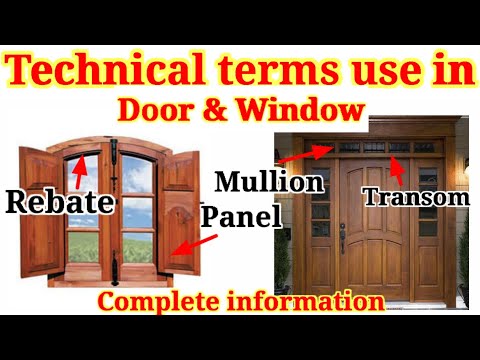
- Casement Windows — Hinged on the side and cranked open, casement windows offer excellent airflow and a tight seal when closed.
- Double-Hung Windows — Featuring two sashes that slide vertically, double-hung windows are versatile and easy to clean from inside.
- Awning Windows — Hinged at the top and opening outward, awning windows provide ventilation even during light rain.
- Fixed Picture Windows — Non-operational and designed purely for views, picture windows let in maximum natural light.
- Bay and Bow Windows — Projecting outward, these window configurations create spacious alcoves and dramatic architectural interest.
Materials: What Your Doors and Windows Are Made Of
The material you choose for your door and window frames and panels directly impacts durability, insulation, maintenance needs, and aesthetic appeal. Below is a detailed breakdown of the most popular options.
Door Materials Compared
| Material | Pros | Cons | Best For |
| Solid Wood | Classic look, excellent insulation, highly customizable | Prone to warping, requires regular maintenance | Traditional homes, entry doors |
| Fiberglass | Durable, low maintenance, mimics wood grain | Higher upfront cost | All-weather climates, entry doors |
| Steel | Extremely strong, security-focused, affordable | Can dent, conducts heat and cold | High-security areas, commercial use |
| Aluminum | Lightweight, modern look, corrosion-resistant | Poor insulation without thermal breaks | Contemporary designs, sliding doors |
Window Frame Materials Compared
| Material | Pros | Cons | Best For |
| Vinyl | Affordable, low maintenance, good insulation | Limited color options, can warp in extreme heat | Budget-conscious homeowners |
| Wood | Beautiful aesthetics, superior insulation | Requires painting, susceptible to moisture | Historic homes, premium builds |
| Aluminum | Slim profiles, durable, modern appearance | Thermal conductivity, condensation issues | Modern architecture, large expanses |
| Clad Wood | Wood interior beauty with exterior durability | Premium pricing, complex manufacturing | High-end residential projects |
How to Choose the Right Door and Window for Your Home
Selecting the perfect door and window combination requires balancing multiple factors. Here is a step-by-step approach to making confident decisions.
- Assess Your Climate — Homes in cold northern regions benefit from triple-pane glass and insulated fiberglass doors, while tropical climates demand louvered windows and moisture-resistant materials.
- Define Your Budget — Set a realistic budget that accounts for both the unit cost and professional installation fees. Remember that cheaper options often lead to higher energy bills and earlier replacement costs.
- Consider Architectural Style — A craftsman-style home pairs beautifully with solid wood doors and double-hung windows, while a modern minimalist design calls for sleek aluminum-framed sliding doors and floor-to-ceiling picture windows.
- Prioritize Security — Look for doors with multi-point locking systems and reinforced frames. For windows, consider laminated glass and secure locking mechanisms.
- Think About Energy Ratings — ENERGY STAR-rated windows and doors can reduce heating and cooling costs by 10 to 25 percent annually, depending on your region.
Energy Efficiency: Why It Matters More Than You Think
Doors and windows are the weakest thermal links in your building envelope. Even the best insulation in your walls cannot compensate for poorly performing door and window assemblies. Understanding key energy metrics helps you make informed purchases.
U-Value measures the rate of heat transfer through a window or door. Lower numbers mean better insulation — a U-value of 0.30 or below is ideal for cold climates. Solar Heat Gain Coefficient (SHGC) indicates how much solar radiation passes through the glass. A lower SHGC is better for sunny southern exposures, while a higher SHGC can be beneficial in cooler northern climates where passive solar heating is desirable.
Double glazing and triple glazing are now standard in energy-efficient window construction. Low-emissivity (Low-E) coatings reflect infrared energy, keeping heat inside during winter and outside during summer. Argon gas fills between panes further reduce thermal transfer. When paired with weatherstripping and thermal breaks in door frames, these features create a remarkably airtight building envelope.
Expert Tip
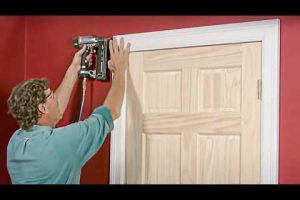
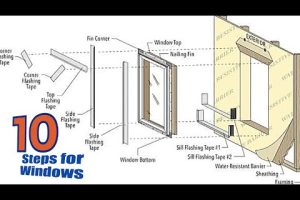
Do not overlook the importance of proper installation. Even the most expensive energy-efficient door and window units will underperform if installed incorrectly. Always hire certified installers who follow manufacturer guidelines and use appropriate flashing, sealants, and insulation around the framing.
Common Door and Window Problems and How to Fix Them
Even high-quality doors and windows develop issues over time. Recognizing problems early prevents costly repairs and maintains your home’s comfort and security.
Drafty Doors
Air leaks around entry doors are usually caused by worn-out weatherstripping or shifting foundations. Replacing adhesive foam weatherstripping costs only a few dollars, while a door sweep upgrade can eliminate drafts at the bottom of the door. If the door frame itself has warped or rotted, a full frame replacement may be necessary.
Foggy Windows
Fog or condensation between window panes signals a failed seal in double- or triple-glazed units. Once the seal breaks, the insulating gas escapes and moisture enters. At this point, the window cannot be repaired — full glass unit replacement is the only effective solution.
Sticking or Hard-to-Open Windows
This common issue often results from paint buildup, frame swelling due to moisture, or deteriorated hardware. Regular lubrication of tracks and hinges with silicone-based products keeps operation smooth. If the frame is warped, professional adjustment or full replacement should be considered.

Noisy Doors and Windows
Rattling or squeaking typically comes from loose hinges, worn rollers on sliding doors, or improper fitting. Tightening screws, replacing worn parts, and ensuring proper alignment usually resolves these nuisances quickly.
Long-Tail Keyword FAQs
What is the best door and window material for extreme weather conditions?
Fiberglass doors and clad-wood windows are widely regarded as the best options for extreme weather. Fiberglass resists warping, swelling, and cracking in both freezing winters and scorching summers. Clad-wood windows combine the insulation properties of wood with the weather resistance of aluminum or vinyl exteriors, making them exceptionally resilient across diverse climates.
How much does it cost to replace a standard door and window?
Costs vary significantly based on material, size, and brand. A standard fiberglass entry door typically ranges from $1,500 to $4,000 installed, while a mid-range double-pane vinyl window costs between $400 and $1,200 per unit. Premium options like wood-clad windows or custom steel doors can exceed $5,000 per unit, including professional installation and any necessary structural modifications.
What should I look for when buying energy-efficient doors and windows?
Focus on three key metrics: U-value (lower is better for insulation), SHGC rating appropriate to your climate zone, and air leakage rating (lower is better). Look for the ENERGY STAR label and verify that the product meets the specific requirements for your geographic region. Additionally, prioritize units with Low-E coatings, argon gas fills, and warm-edge spacer bars for maximum thermal performance.
Can I install a door and window myself, or should I hire a professional?
While DIY installation is possible for experienced homeowners, professional installation is strongly recommended. Improperly installed doors and windows lead to air leaks, water infiltration, and structural issues that are far more expensive to fix later. Certified installers also ensure compliance with local building codes and often provide warranty coverage that DIY installation voids.
How often should doors and windows be replaced?
The lifespan depends heavily on material and maintenance. Wood doors and windows can last 30 to 50 years with proper care. Fiberglass doors typically last 20 to 30 years. Vinyl windows generally perform well for 20 to 25 years, while aluminum windows can last 30 years or more. If you notice persistent drafts, visible damage, fogging between panes, or rising energy bills, it is time to evaluate replacement options.
Final Thoughts on Choosing and Maintaining Your Door and Window
Your door and window choices shape every aspect of daily life in your home — from the morning sunlight that fills your living room to the quiet, comfortable interior that keeps your family safe year-round. By understanding materials, styles, energy ratings, and maintenance requirements, you position yourself to make investments that pay dividends in comfort, efficiency, and property value for decades to come. Take your time, research reputable brands, request multiple quotes, and never compromise on installation quality. A well-chosen door and window system is not just a functional necessity — it is a defining feature of a truly exceptional home.