When nature unleashes its full force through devastating floods and powerful storms, communities around the world face some of the most destructive and life-altering events imaginable. Understanding the dynamics of flood and storm phenomena is no longer optional knowledge—it is essential for homeowners, business operators, emergency responders, and anyone living in regions vulnerable to extreme weather. From flash flooding that can submerge streets in minutes to hurricanes and tropical storms that leave entire neighborhoods unrecognizable, the convergence of heavy rainfall, storm surge, and inadequate drainage creates a cascade of risks that demand respect, preparation, and informed response strategies. This comprehensive guide dives deep into the science, risks, prevention, and recovery associated with flood and storm events, equipping you with the actionable insights needed to protect lives, property, and long-term resilience.
Understanding Flood and Storm Events: The Science Behind the Destruction
Floods and storms are interconnected natural disasters that often occur simultaneously, amplifying damage far beyond what either phenomenon could cause alone. A storm—whether a thunderstorm, nor’easter, or hurricane—brings intense precipitation, sustained winds, and atmospheric pressure changes that directly trigger flooding conditions. When heavy rainfall exceeds the ground’s absorption capacity or overwhelms urban drainage systems, flash flooding becomes imminent. Coastal storms compound this threat with storm surge, where rising sea levels driven by wind and low pressure push ocean water far inland, creating catastrophic inundation.
What Causes Flood and Storm Conditions?
The root causes of flood and storm disasters vary by geography and climate, but several universal factors play a dominant role:
- Excessive rainfall: Prolonged or intense precipitation saturates soil and overwhelms rivers, streams, and drainage infrastructure.
- Storm surge: Coastal hurricanes and tropical cyclones generate massive walls of seawater that inundate shoreline communities.
- Snowmelt and ice dams: Rapid warming after heavy snowfall releases enormous volumes of water into already capacity-limited river systems.
- Urbanization and impervious surfaces: Concrete, asphalt, and rooftops prevent natural groundwater absorption, dramatically increasing surface runoff during storm events.
- Dam and levee failures: Aging infrastructure under extreme hydraulic pressure can breach suddenly, releasing uncontrolled floodwaters downstream.
- Climate change intensification: Rising global temperatures fuel more energetic storm systems and increase atmospheric moisture capacity, leading to heavier precipitation and more frequent extreme weather events.
These causes often interact in complex ways. A coastal storm arriving at high tide, for example, can produce storm surge flooding that is exponentially worse than the same storm hitting during low tide. Understanding these interactions is critical for accurate risk assessment and effective early warning systems.
Types of Flood and Storm Disasters and Their Unique Threats
Not all flood and storm events are created equal. Different categories carry distinct characteristics, timelines, and levels of danger. Recognizing the type of event you are facing determines how you should respond and prepare.
Flash Flooding vs. Riverine Flooding
Flash flooding develops within hours—or even minutes—of heavy rainfall, dam breaks, or levee failures. These events are especially dangerous because they arrive with little warning, carrying powerful currents that can sweep away vehicles, collapse structures, and trap people in rapidly rising water. Riverine flooding, by contrast, develops over days or weeks as rivers and streams gradually overflow their banks. While typically slower in onset, riverine flooding can persist for weeks, causing prolonged water damage, mold growth, and widespread agricultural losses.
Tropical Cyclones, Hurricanes, and Severe Thunderstorms
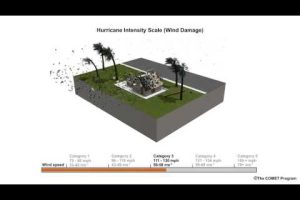
Tropical cyclones combine extreme wind speeds, torrential rain, and devastating storm surge into a single, prolonged disaster event. Hurricanes ranked Category 3 or higher on the Saffir-Simpson scale can produce sustained winds exceeding 111 mph, while tropical storms and depressions bring flooding rains that cause the majority of storm-related fatalities. Severe thunderstorms, though shorter in duration, can produce destructive hail, tornadoes, and localized flooding that catches communities off guard.
Coastal Storm Surge and Inland Flooding

Storm surge remains the deadliest aspect of coastal hurricanes and nor’easters. Water pushed ashore by hurricane-force winds can reach heights of 20 feet or more, penetrating miles inland and eroding coastlines. Inland flooding, meanwhile, affects communities far from the coast as rivers swell and urban drainage systems fail under the weight of storm runoff.
Flood and Storm Preparedness: Building a Comprehensive Protection Plan
Preparedness is the single most effective factor in reducing flood and storm casualties and minimizing property damage. A well-structured plan addresses pre-event preparation, active response protocols, and post-event recovery considerations.
Emergency Kit Essentials for Storm and Flood Readiness
Every household in a flood and storm-prone area should maintain a ready-to-go emergency kit containing the following essentials:
- Water: At least one gallon per person per day for a minimum of three days.
- Non-perishable food: Canned goods, energy bars, dried fruits, and manual can opener.
- First aid supplies: Bandages, antiseptics, prescription medications, and emergency blankets.
- Flashlights and batteries: Battery-operated or hand-crank radios for weather alerts during power outages.
- Important documents: Insurance policies, identification, and medical records stored in waterproof containers.
- Portable phone chargers: Solar-powered or battery banks to maintain communication.
- Emergency footwear: Waterproof boots to protect feet from debris and contaminated floodwater.
Property-Level Flood and Storm Mitigation Strategies
Beyond personal emergency kits, property owners can invest in structural and non-structural mitigation measures that significantly reduce flood and storm damage. Elevating electrical systems, installing sump pumps with battery backups, sealing basement walls with waterproof coatings, and maintaining proper grading around foundations are all proven strategies. Flood barriers and sandbags provide temporary protection against rising water levels, while storm shutters and reinforced roofing materials defend against wind damage and flying debris.
Equally important is maintaining adequate flood insurance coverage. Standard homeowners insurance policies typically exclude flood damage, leaving property owners financially exposed when flood and storm waters recede. The National Flood Insurance Program (NFIP) and private flood insurance alternatives offer critical financial protection that should be reviewed and updated annually.
Comparing Flood and Storm Damage: A Detailed Breakdown
The following table compares key dimensions of flood and storm damage to help homeowners, insurers, and emergency planners understand the scope of risk and appropriate response measures.
| Damage Factor | Flood Damage | Storm Damage | Combined Impact |
| Onset Speed | Minutes to days | Hours to days | Immediate and prolonged |
| Primary Risk | Water inhalation, drowning, electrocution | Wind-borne debris, structural collapse | Compounded injury and fatality risk |
| Structural Damage | Foundation erosion, wall saturation, mold | Roof damage, shattered windows, fallen trees | Complete structural compromise possible |
| Economic Cost | Billions annually in property loss and recovery | Billions annually in infrastructure and crop loss | Combined costs often exceed individual event totals |
| Recovery Timeline | Weeks to months for drying and remediation | Days to weeks for debris removal and repair | Months to years for full community recovery |
| Insurance Coverage | Requires separate flood policy | Often covered under standard homeowners policy | Gaps in coverage common without proper review |
The combined impact of flood and storm events deserves special attention. When a hurricane makes landfall, it simultaneously delivers destructive winds, extreme rainfall, and storm surge flooding. This triple threat creates damage scenarios where structural failures from wind exposure allow floodwaters to penetrate interior spaces, accelerating mold growth, electrical hazards, and total loss of habitability.
Disaster Recovery and Reconstruction After Flood and Storm Events

Recovery from a major flood and storm disaster is a multi-phase process that requires coordinated effort from individuals, communities, government agencies, and insurance providers. The immediate aftermath demands safety assessments—structural engineers must inspect buildings before re-entry, utility companies must verify that gas, water, and electrical systems are safe to reconnect, and local authorities must declare when water supplies are safe for consumption.
Key Recovery Stages
- Emergency stabilization: Temporary repairs to prevent further damage, including tarping roofs, pumping standing water, and securing exposed structures.
- Water extraction and drying: Industrial-grade dehumidifiers and air movers remove moisture from walls, flooring, and furnishings to prevent mold colonization within the critical 24-to-48-hour window.
- Debris removal and waste management: Storm debris and flood-damaged materials must be cleared efficiently to restore access and enable further assessment.
- Structural repair and rebuilding: Permanent repairs using flood-resistant building materials and elevated construction standards where applicable.
- Community resilience investments: Upgraded drainage infrastructure, improved early warning systems, updated zoning regulations, and green infrastructure that absorbs stormwater naturally.
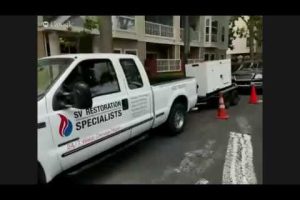
Expert recovery professionals emphasize that acting quickly after water damage is the single most impactful decision a property owner can make. Mold colonization begins within 24 to 48 hours of water exposure, and the longer moisture remains, the more extensive—and expensive—the remediation process becomes.
Long-Term Resilience: Adapting to Increasing Flood and Storm Risks
As climate change continues to intensify weather patterns, the frequency and severity of flood and storm events are projected to increase significantly across every continent. Communities that invest in long-term resilience strategies—including updated building codes, managed retreat from high-risk zones, restoration of natural wetlands and floodplains, and investment in green infrastructure—position themselves far better for the decades ahead. Individual homeowners should revisit their flood and storm preparedness plans annually, update insurance coverage based on evolving risk maps, and stay informed through reliable sources like the National Weather Service and local emergency management agencies.
Frequently Asked Questions About Flood and Storm
1. What is the difference between a flood watch and a flood warning during a storm?
A flood watch means conditions are favorable for flooding to occur—monitor updates closely and prepare your emergency kit. A flood warning means flooding is already occurring or is imminent—evacuate if directed and avoid travel through flooded areas immediately.
2. Does homeowners insurance cover flood and storm damage?
Standard homeowners insurance typically covers storm damage from wind and hail but excludes flood damage. Separate flood insurance through the NFIP or private insurers is required to cover flood losses from any source, including storm-related flooding.
3. How long does it take to recover from a major flood and storm event?
Individual property recovery often takes three to six months for complete restoration, while community-wide recovery from a catastrophic flood and storm event can extend from one to five years depending on the scale of destruction, available resources, and insurance payout timelines.
4. What are the most dangerous aspects of flooding during a storm?
The most dangerous flood hazards include electrocution from submerged power lines, drowning in fast-moving water—even six inches of moving water can knock an adult off their feet—exposure to contaminated floodwater containing sewage, chemicals, and debris, and concealed hazards like open manholes, sharp objects, and weakened road surfaces.
5. Can landscaping and yard design reduce flood and storm damage to a property?
Yes. Strategic grading that directs water away from foundations, rain gardens that absorb stormwater runoff, permeable paving materials, and retaining walls can significantly reduce flood and storm infiltration into buildings while also protecting neighboring properties.
Final Thoughts: Flood and storm events represent some of the most powerful and destructive forces in the natural world, but they are not inevitable disasters waiting to happen. Through informed preparation, structural mitigation, proper insurance coverage, and community-level resilience planning, the devastating impact of these events can be dramatically reduced. Whether you live along a coastline threatened by hurricane storm surge or inland where flash flooding from severe thunderstorms poses the greatest risk, taking proactive steps today—updating your emergency plan, reviewing your insurance, and investing in property-level protections—can make the difference between survival and catastrophic loss. The time to prepare is before the skies darken and the waters rise, not after the damage is done.