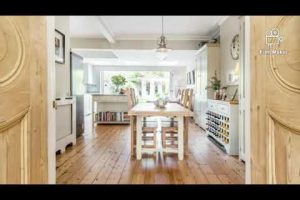
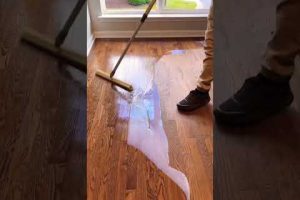
When it comes to choosing flooring that stands the test of time, durability is the factor that separates a wise investment from a costly regret. Whether you are renovating a busy household, upgrading a commercial space, or simply trying to find a surface that can handle heavy foot traffic, spills, and daily wear without falling apart, the world of durable flooring offers more options today than ever before. But “durable” is not just one material or one installation method — it is a combination of construction quality, surface hardness, moisture resistance, and proper maintenance that determines how long your floor will genuinely last. In this comprehensive guide, we walk through the best long-lasting flooring materials, the science behind their endurance, and actionable strategies for getting the maximum lifespan out of whatever you choose. If you have been searching for flooring that can handle the demands of real life without constant replacement, you are in the right place.
What Is Durable Flooring and Why Does It Matter?
Durable flooring refers to any floor surface engineered or designed to resist physical damage, chemical exposure, and environmental stress over an extended period. Unlike decorative or purely aesthetic flooring choices that may look stunning for a season but degrade quickly, durable options prioritize longevity, structural integrity, and performance under load. The importance of choosing resilient flooring cannot be overstated — it directly impacts maintenance costs, property value, indoor air quality, and the overall safety and comfort of a living or working space. A floor that lasts 25 years instead of five saves thousands of dollars in replacement costs, reduces waste, and eliminates the disruption of frequent renovations.
Top Durable Flooring Materials Compared
Not all hard-wearing floors are created equal. Each material brings a unique combination of strength, aesthetics, and cost to the table. Below is a detailed comparison of the most popular durable flooring options available on the market today.
| Material | Lifespan | Water Resistance | Scratch Resistance | Cost per Sq Ft |
| Engineered Hardwood | 30–50 years | Moderate | High (with finish) | $4–$10 |
| Luxury Vinyl Plank (LVP) | 20–30 years | Excellent | Very High | $3–$8 |
| Porcelain Tile | 50–100+ years | Excellent | Extremely High | $5–$15 |
| Polished Concrete | 50–75 years | Moderate (sealed) | Extremely High | $6–$12 |
| Natural Stone (Granite/Marble) | 75–100+ years | Varies by stone | Extremely High | $8–$20 |
| Bamboo (Strand-Woven) | 25–50 years | Moderate | High | $4–$9 |
Engineered Hardwood
Engineered hardwood is a layered composite product where a real hardwood veneer sits atop multiple layers of plywood or high-density fiberboard. This cross-grain construction gives it remarkable dimensional stability, meaning it resists warping and expansion far better than solid hardwood. It is an ideal choice for homeowners who want the timeless beauty of real wood without the vulnerability to humidity fluctuations. Top brands like Shaw, Mohawk, and Armstrong offer engineered oak and hickory options with aluminum oxide finishes that dramatically boost scratch and dent resistance.
Luxury Vinyl Plank (LVP)
Luxury vinyl plank has revolutionized the resilient flooring market by combining waterproof cores with photorealistic surface designs. Modern LVP features a rigid core made from PVC or stone plastic composite (SPC), which provides exceptional impact resistance and dimensional stability. The wear layer, typically ranging from 12 to 40 mil, determines how well the floor withstands abrasion. SPC flooring, in particular, has gained enormous traction among homeowners looking for a hard-wearing, waterproof option that mimics natural stone or wood at a fraction of the cost.
Porcelain Tile
Porcelain is fired at extremely high temperatures, making it denser, less porous, and far more durable than ceramic alternatives. It is the go-to choice for kitchens, bathrooms, entryways, and commercial lobbies where moisture exposure and heavy foot traffic are constant realities. Through-body porcelain tiles carry the color and pattern throughout the entire slab, meaning chips and scratches are far less visible compared to surface-printed options.

Polished Concrete
Polished concrete floors are increasingly popular in both residential and commercial settings due to their extraordinary hardness and minimal maintenance requirements. The concrete surface is ground and treated with densifying chemicals, then polished to a high sheen. When properly sealed, polished concrete resists stains, dust generation, and heavy loads, making it a favorite for warehouses, retail spaces, and modern open-concept homes.
Key Factors That Determine Flooring Durability
Understanding what makes a floor truly long-lasting goes beyond simply picking the right material. Several interrelated factors determine how well any flooring type performs over time.
Hardness and Scratch Resistance
The hardness of a flooring material is typically measured using the Janka hardness test for wood products or the Mohs scale for stone and tile. For wood floors, species like Brazilian walnut (Ipe), hickory, and white oak rank among the hardest and most scratch-resistant. For synthetic and tile options, the thickness and composition of the wear layer play the decisive role. A thicker wear layer on LVP or a quality polyurethane finish on engineered hardwood provides a critical shield against daily abrasion from furniture, pets, and foot traffic.
Moisture and Water Resistance
Water is one of the most destructive forces acting on flooring. Materials with high moisture resistance — such as SPC vinyl plank, porcelain tile, and sealed concrete — are inherently better suited for kitchens, bathrooms, basements, and regions with humid climates. Engineered hardwood performs moderately well due to its composite core, but it still requires proper sealing and quick cleanup of spills to prevent water damage at the seams.

Wear Layer and Thickness
The wear layer is the outermost protective coating on any flooring product, and its thickness directly correlates with the floor’s expected lifespan. Thicker wear layers mean the underlying design layer and core remain protected for longer. When comparing LVP options, look for wear layers of 20 mil or higher for residential use and 40 mil or more for commercial installations. For hardwood, a minimum of 6 mil aluminum oxide finish is recommended for high-traffic areas.
Best Rooms and Applications for Durable Flooring
Different rooms present different challenges, and matching your flooring choice to the specific demands of each space is critical for long-term performance.
- Kitchens: Porcelain tile and LVP excel here due to their waterproof properties and resistance to stains from cooking oils and acidic spills.
- Bathrooms: Porcelain tile and sealed concrete are the top picks, as they handle constant moisture exposure without swelling or warping.
- Living Rooms and Hallways: Engineered hardwood and LVP combine aesthetic appeal with the ability to handle heavy foot traffic and furniture movement.
- Basements: SPC vinyl plank and sealed concrete are ideal because they are impervious to the dampness and condensation common in below-grade spaces.
- Commercial Spaces: Polished concrete, porcelain tile, and heavy-duty LVP with commercial-grade wear layers offer the resilience that retail and office environments demand.
Expert Tips for Maximizing the Lifespan of Your Flooring
Even the most durable flooring will degrade prematurely without proper care. Here are practical, expert-backed strategies to ensure your investment pays off for decades.
- Use entryway mats and rugs. Dirt and grit act as microscopic abrasives that grind against your floor surface. Placing high-quality doormats at every entrance traps debris before it can cause micro-scratches.
- Trim your pet’s nails regularly. Long claws on hard surfaces create visible scratches and can compromise protective finishes, especially on engineered hardwood and LVP.
- Clean with manufacturer-approved products. Harsh chemical cleaners can strip protective coatings and discolor flooring over time. Use pH-neutral cleaners designed for your specific flooring type.
- Address spills immediately. Standing water, particularly on engineered hardwood and natural stone, can seep into seams and cause swelling, warping, or mold growth.
- Use felt pads under furniture legs. This simple and inexpensive step prevents the gouging and denting that occurs when heavy furniture is moved or shifted across a hard surface.
- Schedule periodic professional maintenance. For hardwood and stone floors, periodic refinishing and resealing restores the protective barrier and extends the functional lifespan significantly.
How to Choose the Right Durable Flooring for Your Home
Selecting the best long-lasting flooring for your specific situation requires balancing several practical considerations. Start by evaluating your household’s lifestyle — do you have active children or large pets that will subject the floor to impact and scratching? Next, consider the climate and moisture levels in your region, as this affects how well certain materials perform over time. Budget is another important variable; while porcelain tile and polished concrete offer exceptional longevity, their upfront installation costs can be higher than LVP or engineered hardwood. Finally, think about the aesthetic you want to achieve. Modern LVP designs have become so photorealistic that it is nearly impossible to distinguish them from natural materials at a glance, giving you the beauty of premium materials without the premium price tag.
One of the most overlooked aspects of flooring durability is the installation process itself. Even the highest-quality material will fail prematurely if it is not installed on a properly prepared subfloor with correct moisture barriers, expansion gaps, and adhesive or fastening methods recommended by the manufacturer. Always hire experienced installers who understand the specific requirements of the flooring material you have chosen.
Frequently Asked Questions (FAQs)

What is the most durable flooring option for a high-traffic household with pets and children?
Luxury vinyl plank (LVP), especially stone plastic composite (SPC) varieties, is widely regarded as the most durable flooring for high-traffic homes with pets and children. Its waterproof core resists moisture damage, its rigid construction prevents dents from heavy impacts, and its thick wear layer holds up remarkably well against scratches from claws and toy debris. Porcelain tile is another excellent option if you prefer a non-flexible surface that is virtually indestructible.
How long does engineered hardwood flooring typically last under normal conditions?
Engineered hardwood floors typically last between 30 and 50 years, and in some cases even longer, depending on the thickness of the hardwood veneer, the quality of the finish, and the level of maintenance. Floors with a 4mm or thicker veneer can be refinished multiple times, significantly extending their functional lifespan beyond that of solid hardwood in certain environments.
Is porcelain tile the best long-term flooring investment?
Porcelain tile is often considered the best long-term investment for flooring due to its exceptional lifespan of 50 to 100 years or more. Its resistance to moisture, stains, scratches, and fading makes it virtually maintenance-free once properly installed. While the upfront cost is higher than many alternatives, the cost-per-year-of-use is among the lowest of any flooring material available today.
Can durable flooring be refinished or restored after years of use?
The ability to refinish depends on the material. Engineered hardwood and solid hardwood can be sanded and refinished multiple times if the veneer is thick enough. Natural stone floors like granite and marble can be honed and polished to restore their appearance. LVP and porcelain tile, however, cannot be refinished — but their surface durability means they rarely need restoration in the first place.
What makes SPC vinyl plank more durable than traditional vinyl flooring?
SPC (Stone Plastic Composite) vinyl plank is more durable than traditional vinyl because its core is made from a blend of limestone powder and PVC, resulting in a rigid, dimensionally stable material that does not expand or contract with temperature and humidity changes. The added density provides superior impact resistance, eliminates the hollow sound associated with flexible vinyl, and creates a surface that resists warping even in challenging environments like basements and garages.
Conclusion
Choosing durable flooring is one of the most impactful decisions you can make for your home or commercial property. It is a choice that affects not just the visual character of your space but also its long-term value, maintenance demands, and everyday comfort. By understanding the strengths and limitations of each material — from engineered hardwood and LVP to porcelain tile, polished concrete, and strand-woven bamboo — you can make a confident, informed decision that aligns with your lifestyle, budget, and aesthetic preferences. Pair your material choice with proper installation, smart maintenance habits, and a realistic understanding of wear-layer specifications, and you will enjoy a floor that looks and performs beautifully for decades to come. The best durable flooring is not always the most expensive option — it is the one that is best suited to the specific demands of your space and the people who live in it.