


Back yard garden design is one of the most rewarding investments a homeowner can make. Whether you are working with a compact urban lot or a sprawling suburban landscape, transforming your outdoor space into a functional, beautiful retreat requires thoughtful planning, the right plant choices, and a clear understanding of your environment. This guide walks you through every stage of the backyard garden design process, from initial layout sketches to advanced planting strategies that deliver year-round curb appeal and personal enjoyment.
Understanding the Foundations of Backyard Garden Design
Before you pick up a shovel or order a single plant, you need to understand the core principles that separate a mediocre yard from a stunning outdoor living space. Backyard garden design is not just about aesthetics — it is a blend of spatial planning, horticulture, soil science, and lifestyle planning.
Assessing Your Space and Climate
Start by observing your backyard across different times of the day. Note where sunlight pools, where shadows linger, and where water tends to collect after rain. These observations directly inform your plant selection and layout decisions.
- Map the sun exposure zones — full sun, partial shade, and full shade — across your entire yard
- Identify your USDA hardiness zone or equivalent regional climate classification
- Test your soil pH and drainage rate using a simple home kit or a local extension service
- Measure the available square footage and note existing structures, utilities, and sight lines
Ignoring these fundamentals is the single most common mistake in backyard garden design. Plants placed in the wrong light or soil conditions struggle, demand excessive maintenance, and waste both money and time.
Popular Backyard Garden Design Styles and How to Choose
The style you select should reflect your personal taste, your maintenance budget, and the architectural character of your home. Below is a breakdown of the most popular approaches to outdoor garden design, along with key characteristics and ideal use cases.
| Style | Key Features | Best Suited For | Maintenance Level |
| Cottage Garden | Dense planting, mixed perennials, informal paths, vintage containers | Rustic homes, families with children | Medium to High |
| Modern Minimalist | Clean lines, geometric beds, limited plant palette, hardscape focus | Contemporary architecture, low-maintenance lifestyles | Low to Medium |
| Japanese-Inspired | Zen gravel beds, ornamental grasses, stone lanterns, water features | Small to medium yards, meditative spaces | Low to Medium |
| Edible Landscape | Raised beds, herb borders, fruit trees, companion planting | Food-conscious homeowners, smaller lots | Medium |
| Tropical Retreat | Large foliage plants, bold colors, layered canopy, water elements | Warm climates, dramatic visual impact | Medium to High |
Many homeowners combine elements from two or more styles to create a hybrid backyard garden design that feels uniquely theirs. The key is to maintain visual cohesion by repeating certain colors, textures, or materials throughout the space.
Step-by-Step Planning Process for Your Outdoor Space
A structured planning process prevents costly mistakes and ensures that every design decision serves a purpose. Whether you are a complete beginner or an experienced gardener refining an established yard, following these steps will dramatically improve your results.
- Define your goals and priorities. Do you want a quiet relaxation zone, a play area for kids, a vegetable garden, or a combination of all three? Write down your top three priorities.
- Create a base map. Draw your yard to scale, marking existing features such as fences, trees, pathways, and utility lines. Many free online tools like Google SketchUp or Garden Planner make this easy.
- Establish circulation paths. Plan how people will move through the space. A main path should be at least four feet wide for comfortable two-person passage, while secondary paths can be narrower.
- Zone your backyard garden design. Divide the space into functional areas — dining, lounging, planting beds, and storage — and assign each zone a proportion of the total area based on your priorities.
- Select your plant palette. Choose a cohesive color scheme and a mix of textures that will look intentional across all four seasons. Include evergreen anchors to provide structure during winter months.
- Layer your planting heights. Place tall specimens at the back or center of beds, mid-height plants in the middle, and low-growing ground covers or edgers along the front edge.
- Add hardscaping and lighting. Paths, patios, retaining walls, and outdoor lighting tie the design together and extend the usability of your yard into the evening hours.
Beginner Tips That Prevent Costly Mistakes
If you are new to backyard garden design, resist the urge to rush. Start with a scaled diagram, order a soil test before purchasing plants, and begin with a manageable area — roughly 200 to 400 square feet — rather than attempting to redesign the entire yard at once. Expanding gradually allows you to learn what works in your specific microclimate before committing larger budgets.
Intermediate and Advanced Strategies
Once the basics are solid, consider integrating techniques like layered planting (mimicking natural ecosystems), rain garden construction for stormwater management, and companion planting for pest deterrence. Advanced designers often incorporate outdoor rooms — fenced or hedged areas that create distinct psychological zones within a single yard.
Plant Selection and Layout Strategies That Deliver Impact
Your plant choices define the long-term character of your backyard garden design. Focus on a foundation of structural plants — trees and large shrubs — that provide the skeleton of the garden, then fill in with seasonal perennials and annuals for color and texture.
When arranging plants, think in odd-numbered groupings. Clusters of three, five, or seven specimens create a more natural, visually pleasing rhythm than rigid rows of two or four. Repeat these groupings at intervals across the yard to establish a sense of rhythm and continuity.
Pay special attention to texture contrasts. Pairing broad-leaved plants like hostas or elephant ears with fine-textured ornamental grasses creates dynamic visual tension that keeps the eye moving across the landscape. This technique is a hallmark of professional backyard garden design and separates casual plantings from intentional compositions.
Hardscaping and Outdoor Living Elements

Hardscaping — the non-living components of your yard — provides the framework within which your plants thrive. Patios, pergolas, stone walls, and water features do more than look attractive; they define boundaries, manage drainage, and create functional gathering spaces.
When integrating hardscaping into your backyard garden design, consider the following:
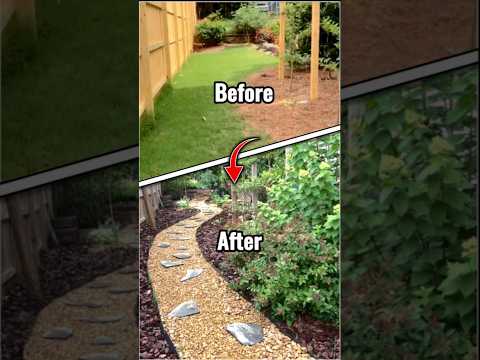
- Use permeable pavers or gravel for paths and patios to reduce stormwater runoff
- Position a fire pit or seating wall as a focal point that draws the eye and anchors the layout
- Install layered lighting — path lights, uplights for trees, and accent lights for water features — to extend usability into the evening
- Incorporate vertical elements such as trellises or garden walls to add dimension in smaller yards
Seasonal Maintenance and Sustainable Practices
A beautiful backyard garden design requires ongoing care to maintain its appeal. Sustainable practices not only reduce your environmental footprint but also lower long-term maintenance demands. Mulching garden beds, installing drip irrigation, and selecting native plant species adapted to your region all contribute to a healthier, more resilient outdoor space.
Create a simple seasonal calendar that outlines key tasks: spring soil preparation and planting, summer watering and deadheading, autumn cleanup and bulb installation, and winter structural pruning and planning for the following year.
Conclusion
Backyard garden design is a deeply personal journey that combines creativity, practical planning, and a genuine love for the outdoors. By starting with a thorough assessment of your space, choosing a style that fits your lifestyle, following a structured planning process, and selecting plants that thrive in your conditions, you can create an outdoor retreat that delivers beauty, function, and lasting value. The best gardens are never truly finished — they evolve with the seasons and with the people who love them. Start small, learn as you grow, and let your backyard garden design unfold naturally over time.
Frequently Asked Questions About Backyard Garden Design
What is the best backyard garden design for small spaces?
For small backyards, a modern minimalist or Japanese-inspired approach works exceptionally well. These styles emphasize clean lines, vertical layering, and strategic use of mirrors and narrow beds to create the illusion of more space. Container gardening and raised beds also allow you to maximize planting areas without overwhelming the yard.
How do I design a backyard garden on a budget?
Start with a few structural perennials, propagate from cuttings, and use mulch generously to suppress weeds and retain moisture. Swap plants with neighbors, visit local plant sales, and prioritize soil improvement before investing in expensive hardscaping. A well-prepared soil bed produces healthier plants that require fewer replacements over time.
What plants work best for year-round backyard garden interest?
Evergreen shrubs like boxwood, holly, and juniper provide structure during winter months. Spring bulbs such as daffodils and tulips offer early color, while summer perennials like coneflowers and black-eyed Susans deliver mid-season vibrancy. Fall-blooming asters and ornamental grasses add texture and movement through the cooler months.
How much sunlight does a successful backyard garden need?
Most flowering perennials and vegetable crops require a minimum of six hours of direct sunlight daily. However, shade-tolerant options like hostas, ferns, and hellebores thrive in areas with two to four hours of filtered or morning light. Mapping your yard’s sun patterns before planting is essential for long-term success.
Should I hire a professional for my backyard garden design or DIY it?
Hiring a landscape designer is worthwhile if your project involves complex grading, drainage solutions, or large hardscaping installations. For simpler planting beds, a DIY approach using free online design tools and local nursery expertise can yield excellent results while saving significant costs.