Most homeowners don’t realize that a surprising number of plumbing problems can be solved — or even prevented entirely — without spending a single dollar. The best free plumbing tips aren’t about fancy tools or expensive gadgets; they’re about understanding how your home’s water system works and developing a few smart habits that save you money, time, and headaches. Whether you’re dealing with a slow kitchen drain, a running toilet, or you simply want to learn how to protect your pipes before winter hits, this guide covers actionable advice from beginner basics all the way to intermediate and advanced techniques. Let’s dive into the plumbing knowledge that every homeowner should have in their back pocket.
Essential Free Plumbing Tips Every Homeowner Should Know
The foundation of good plumbing maintenance is prevention. Instead of waiting for something to break and then scrambling for a solution, adopting a few proactive habits can keep your entire water system running smoothly. These beginner-level tips cost absolutely nothing but pay off enormously over time.
Kitchen Drain Maintenance That Costs Nothing
Your kitchen sink handles grease, food particles, soap residue, and everything you wash off your dishes. Over time, this buildup narrows your pipes and leads to slow drainage or full blockages. Here’s what you can do for free starting today:
- Run hot water through the drain for 15-30 seconds after every use to flush away grease and soap buildup.
- Never pour cooking oil or grease down the drain — collect it in a jar and dispose of it in the trash.
- Use a mixture of baking soda and vinegar once a month. Pour half a cup of baking soda followed by half a cup of white vinegar, let it fizz for 10 minutes, then flush with boiling water.
- Use a mesh drain strainer to catch food particles and prevent them from entering the pipes.
Bathroom Drain Care Without Spending a Dime
Bathroom drains are especially vulnerable to hair, soap scum, and toothpaste residue. These materials cling to pipe walls and accumulate over weeks and months, creating stubborn clogs. Free drain maintenance starts with simple routine habits:
- Remove visible hair from drain covers after every shower.
- Flush drains weekly with a pot of boiling water to dissolve soap scum.
- Create a natural cleaning paste using baking soda and salt, apply it to the drain opening, let it sit for 30 minutes, then rinse with hot water.
- Never use your bathroom sink as a trash can for cotton balls, dental floss, or personal care wipes — these items do not break down in pipes.
Beginner-Friendly DIY Plumbing Hacks
You don’t need plumbing certification to handle common household issues. Many of the most effective free plumbing tips involve simple tools you likely already own. A plunger, adjustable wrench, pipe wrench, plumber’s tape, and a bucket can solve the majority of minor plumbing problems.
Fix a Running Toilet Without Replacing Parts: A toilet that runs continuously wastes up to 200 gallons of water per day. Often, the issue is a misaligned flapper valve or a worn-out lift chain. Jiggle the handle gently to see if the flapper reseats properly. If the chain is too loose, adjust it so there’s just a tiny bit of slack. This free fix can reduce your water bill significantly each month.

Unclog a Sink Using Household Items: Before reaching for chemical drain cleaners, try the plunger method first. Create a tight seal over the drain and plunge vigorously for 15-20 seconds. If that doesn’t work, the baking soda and vinegar method mentioned above often dissolves organic clogs effectively. For stubborn grease blockages, a combination of boiling water and dish soap poured directly into the drain can break down the buildup naturally.
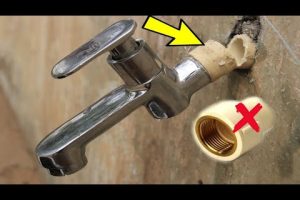
Stop a Leaky Faucet Temporarily: A dripping faucet wastes water and drives up utility bills. As an immediate free solution, tighten the packing nut beneath the handle slightly. This won’t replace a worn O-ring or cartridge, but it can reduce or eliminate the drip until you can make a permanent repair.

Intermediate Plumbing Fixes You Can Do Yourself
Once you’ve mastered the basics, you can tackle slightly more complex issues that would otherwise require calling a plumber. These intermediate free plumbing tips save you significant repair costs and help you understand your home’s infrastructure better.
Replacing Washer and O-Rings

Leaky faucets and showerheads are almost always caused by worn-out washers or O-rings. These small rubber components are incredibly cheap to replace, but even more importantly, you can often salvage one from an old fixture you no longer use. Matching the size and shape of the damaged washer to an identical one from a thrift store or spare parts bin costs nothing and takes less than 15 minutes.
Insulating Exposed Pipes to Prevent Freezing
Frozen pipes are one of the most destructive plumbing emergencies a homeowner can face. The free plumbing tip most people overlook is wrapping exposed pipes in basements, crawl spaces, and garages with old towels, rags, or even newspaper secured with duct tape. While it’s not as effective as commercial foam insulation, it provides a meaningful barrier against cold air drafts during winter months. Even more importantly, let faucets drip slightly during freezing temperatures — moving water is far less likely to freeze solid.
Water Pressure Troubleshooting
If you notice low water pressure in one or more fixtures, the culprit is often a clogged aerator or a partially closed shut-off valve. Unscrew the aerator from the faucet tip, rinse it under running water to remove mineral deposits, and reattach it. This free fix restores water flow in many cases without any tools or replacement parts. Similarly, check that all gate valves throughout your home are fully open — a valve that’s even slightly turned restricts flow.
Advanced Plumbing Maintenance Without Calling a Pro
For homeowners who want to take their DIY plumbing game to the next level, these advanced free plumbing tips can extend the lifespan of your entire water system and prevent costly emergency repairs.
- Perform a Whole-House Water Audit: Walk through your home with a notepad and check every faucet, toilet, showerhead, and connection for drips, leaks, or corrosion. Document everything and prioritize repairs based on severity.
- Flush Your Water Heater Annually: Sediment buildup inside your water heater reduces efficiency and can lead to premature failure. Draining a few gallons from the tank’s drain valve once a year removes this sediment and costs nothing but a little time.
- Learn to Read Your Water Meter: Your water meter can detect hidden leaks you’d never notice otherwise. Turn off all water fixtures, note the meter reading, wait two hours without using any water, and check again. If the reading has changed, you have a leak somewhere in the system.
- Map Your Home’s Plumbing Layout: Knowing where your main shut-off valve, branch valves, and sewer cleanout are located saves critical time during emergencies. Take a few minutes to sketch a simple map and keep it in a household emergency binder.
- Clean Your Washing Machine’s Drain Filter: Many front-loading washing machines have a small drain filter that collects lint, coins, and debris. Cleaning it every few months prevents drainage issues and extends the machine’s lifespan.
Quick Comparison — DIY Plumbing vs Professional Plumbing Costs
Understanding what you can handle yourself versus what requires a licensed professional helps you make smart decisions and avoid unnecessary expenses. The table below provides a realistic comparison.
| Task | DIY Cost | Professional Cost | Difficulty |
| Clogged drain (minor) | $0 — baking soda and vinegar | $100 – $250 | Easy |
| Running toilet repair | $0 — flapper adjustment | $100 – $200 | Easy |
| Leaky faucet washer replacement | $0 (salvaged parts) | $100 – $250 | Moderate |
| Water heater sediment flush | $0 | $100 – $200 | Moderate |
| Pipe replacement (section) | $0 — parts only | $300 – $800 | Advanced |
| Sewer line inspection | $0 — water meter test | $200 – $500 | Advanced |
As you can see, many common plumbing issues can be resolved at zero cost if you have basic knowledge and a willingness to get your hands a little dirty. The key is knowing your limits — structural pipe damage, sewer line breaks, and water heater replacement should generally be left to licensed professionals.
Frequently Asked Questions
What are the best free plumbing tips for unclogging a drain without chemicals?
The most effective chemical-free methods include using a plunger for suction-based unclogging, pouring a baking soda and vinegar mixture down the drain to dissolve organic buildup, and flushing with boiling water to melt grease blockages. For hair clogs in bathroom drains, physically removing the hair from the drain cover and using a bent wire hanger to fish out debris works surprisingly well.
How can I prevent plumbing leaks without spending money?
Prevention starts with routine inspection. Check all visible pipe connections quarterly for moisture or corrosion. Replace worn-out washers and O-rings immediately using salvaged parts. Maintain consistent water pressure — excessive pressure stresses joints and fittings. During winter, keep cabinet doors open under sinks to allow warm air to reach pipes, and let faucets drip during freezing nights.
What free plumbing maintenance schedule should I follow for my water heater?
Flush your water heater at least once a year to remove sediment buildup. Check the pressure relief valve every six months by lifting the test lever and letting water flow into the drain pan — if water doesn’t flow, the valve may need replacement. Inspect the anode rod every two years and replace it if it’s heavily corroded. These free maintenance habits can extend your water heater’s lifespan by several years.
Are free plumbing tips effective for serious pipe problems?
Free plumbing tips are excellent for minor to moderate issues like clogs, drips, low pressure, and routine maintenance. However, for serious problems such as burst pipes, slab leaks, main sewer line damage, or water heater failure, professional intervention is necessary. The tips in this article focus on prevention and early intervention, which are the most cost-effective approaches to long-term plumbing health.
Can following free plumbing tips really save me money on my water bill?
Absolutely. Fixing a single running toilet can save up to 200 gallons of water per day, which translates to roughly $50 or more per month on your water bill depending on your local rates. Sealing minor leaks, maintaining proper water pressure, and keeping drains clear all contribute to lower water consumption and reduced utility costs over time.
Final Thoughts
The best plumbing system is one that’s well-maintained, and maintenance doesn’t have to cost anything. From simple daily habits like running hot water after washing dishes to annual water heater flushing and whole-house leak audits, these free plumbing tips give you the knowledge and confidence to take control of your home’s water system. Start with the beginner tips, gradually work your way up to intermediate and advanced techniques, and you’ll be amazed at how much money and stress you can avoid over the years. Remember, the most valuable plumbing tool you own isn’t a wrench or a pipe cutter — it’s your own awareness and willingness to act before small problems become expensive disasters.