


Every homeowner eventually faces a plumbing issue that cannot wait for a professional — a dripping faucet at 2 AM, a clogged kitchen sink before guests arrive, or a mysterious sound coming from behind the bathroom wall. Understanding basic plumbing tips isn’t just about saving money on service calls; it’s about taking control of your home’s most critical utility system. Whether you are a complete novice or someone who has watched a few YouTube tutorials and feels ready to try, this guide will walk you through the essential knowledge, tools, techniques, and safety practices that every beginner should know. Plumbing fundamentals form the backbone of home maintenance, and mastering even the simplest skills can prevent costly water damage, reduce your utility bills, and give you genuine confidence when something goes wrong.
Why Every Homeowner Should Learn Basic Plumbing Skills
Many people assume that plumbing is strictly a job for licensed professionals, and while complex jobs absolutely require expert hands, the vast majority of household plumbing issues fall into categories that any motivated beginner can handle. Learning DIY plumbing basics means understanding how water flows through your home, recognizing early warning signs of potential problems, and knowing which fixes are quick and which ones warrant immediate professional attention.
The practical benefits are substantial. A single emergency plumbing repair can cost anywhere from $150 to over $1,000 depending on the severity. By equipping yourself with foundational knowledge and a basic toolkit, you can address common issues like running toilets, slow drains, and minor leaks before they escalate into expensive disasters. Beyond cost savings, understanding your home’s plumbing system gives you a practical sense of self-sufficiency that pays dividends every single month.
- Cost savings: Handle minor repairs without paying a service call fee.
- Faster response: Fix problems immediately rather than waiting days for a plumber’s availability.
- Preventive care: Catch small issues early before they become major water damage emergencies.
- Home value: A well-maintained plumbing system improves inspection outcomes and property appeal.
Essential Plumbing Tools Every Beginner Needs
Before you attempt any repair, you need the right tools on hand. The good news is that a beginner plumbing toolkit does not need to be expensive or overwhelming. Here is a curated list of the most important tools you should have in your home maintenance arsenal.
| Tool | Purpose | Estimated Cost |
| Adjustable wrench | Grip and turn nuts on faucets, pipes, and fittings | $10–$20 |
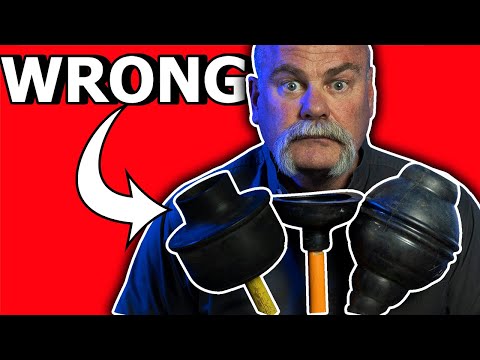
| Plunger (cup and flange) | Clear clogged drains and toilets | $8–$15 |
| Plumber’s tape (Teflon tape) | Seal threaded pipe connections and prevent leaks | $3–$5 |
| Drain snake/auger | Remove deep clogs from drains and pipes | $15–$40 |
| Pipe wrench | Grip and turn larger pipes and fittings | $15–$25 |
| Basin wrench | Reach nuts in tight spaces under sinks | $10–$18 |
| Teflon plumber’s putty | Seal drain assemblies and fixtures to countertops | $5–$8 |
| Bucket and towels | Catch water and manage spills during repairs | $5–$10 |
Once you have these basics, you are ready to tackle the most common household plumbing problems confidently. Start with small jobs and gradually build your skill set as you gain experience.
Common Plumbing Problems and How to Fix Them
Most homes experience a predictable set of plumbing issues that recur over time. Understanding the root cause of each problem and the appropriate fix is the key to effective DIY plumbing maintenance.
1. Dripping Faucets
A dripping faucet wastes enormous amounts of water over time — sometimes more than 3,000 gallons per year according to the EPA. The most common cause is a worn-out washer or O-ring inside the faucet’s valve. To fix a dripping faucet, first shut off the water supply valves beneath the sink. Remove the handle, extract the stem, and replace the worn rubber washer or O-ring with an exact match. Reassemble and test. This is one of the simplest beginner plumbing repairs and typically takes less than 20 minutes.
2. Clogged Drains
Clogs in kitchen sinks, bathroom sinks, and showers are almost inevitable. For minor clogs, start by using a plunger to create suction and dislodge the blockage. If that does not work, try pouring a mixture of baking soda and vinegar down the drain, followed by hot water after 15 minutes. For stubborn clogs, a drain snake physically breaks up or extracts the obstruction. Avoid chemical drain cleaners whenever possible, as they can corrode older pipes and cause more harm than good.
3. Running Toilets
A toilet that runs continuously can waste up to 200 gallons of water per day. The issue usually lies in the flapper valve, the fill valve, or the float mechanism inside the tank. Open the tank lid and check if the flapper is sealing properly. If it is warped or damaged, replace it — a new flapper costs under $5 at any hardware store. Adjusting the float to the correct water level often stops a running toilet instantly.
4. Low Water Pressure
Low water pressure in one fixture is often caused by a clogged aerator. Unscrew the aerator at the tip of the faucet, soak it in vinegar overnight to dissolve mineral buildup, rinse it clean, and reinstall it. If low pressure affects multiple fixtures, the issue may be a partially closed main shut-off valve or a problem with your home’s pressure regulator, which might require professional assessment.
Beginner Plumbing Safety Tips You Should Never Skip
Safety must always come first when working with water and home systems. Plumbing involves both water and potentially dangerous tools, and a moment of carelessness can lead to flooding, personal injury, or property damage.
- Always shut off the water supply before starting any repair. Locate your main water shut-off valve and make sure every household member knows where it is.
- Turn off electricity near water when working in areas like bathrooms and kitchens. Use a dry surface and wear rubber-soled shoes.
- Never use open flames near pipes, especially in homes with older galvanized steel piping that may contain residual fumes.
- Wear protective gloves and eyewear when cutting pipes or using chemical-free drain cleaning methods.
- Keep a bucket and towels nearby during any repair to catch unexpected water release from residual pressure in the lines.
- Know your limits. If a repair seems beyond your comfort level after 30 minutes of effort, stop and call a licensed plumber rather than risk worsening the problem.
When to Call a Professional vs. Handle It Yourself
Understanding the boundary between a manageable DIY project and a job that requires a professional plumber is one of the most important beginner plumbing tips you will ever learn. The general rule is simple: if the problem involves the main water line, sewer systems, gas lines, or complex repiping, always call a licensed professional.
Here are specific scenarios where professional help is strongly recommended:
- Any work involving gas supply lines or gas-powered appliances
- Sewer line blockages or backups that require camera inspection
- Water heater replacement or significant repair on gas or electric units
- Major pipe leaks in walls, floors, or ceilings
- Building code compliance issues that require permits and inspections
For everything else — faucet repairs, drain clearing, toilet replacements, aerator cleaning, and minor pipe connections — you have everything you need to succeed as a confident beginner. The key is preparation, patience, and the willingness to learn from each experience.
Long-Term Plumbing Maintenance Habits for Beginners
Prevention is always better than cure, and this truth applies especially to plumbing. Establishing simple maintenance routines can extend the life of your pipes, fixtures, and appliances dramatically.
Inspect your plumbing regularly. Once every three months, check under sinks for moisture, corrosion, or dripping. Look at exposed pipes in your basement or crawl space for signs of condensation, rust, or tiny leaks. Catching a slow drip early prevents the mold, rot, and structural damage that follow prolonged water exposure.
Know what should never go down your drains. Grease, cooking oil, coffee grounds, eggshells, fibrous vegetables, and “flushable” wipes are among the top culprits behind serious drain clogs. Dispose of grease in a sealed container and throw it in the trash, and use drain screens to catch hair and food particles before they enter your plumbing system.
Winterize exposed pipes. If you live in a colder climate, insulated foam pipe sleeves on exposed plumbing in unheated areas like garages, basements, and crawl spaces can prevent frozen and burst pipes during cold snaps. Let faucets drip slightly on the coldest nights to keep water moving through vulnerable lines.
Conclusion
Learning beginner plumbing tips is one of the most valuable investments you can make in your home. The skills you build from this foundation — understanding your home’s water supply, using basic tools correctly, identifying common problems, and knowing when to seek professional help — will serve you for decades. Start with the simplest fixes, build your confidence gradually, and never hesitate to consult a licensed professional when a job exceeds your current capabilities. A well-maintained plumbing system is the silent workhorse of every comfortable, safe, and efficient home.
Frequently Asked Questions
1. What are the top 5 plumbing tips for absolute beginners?
The top five beginner plumbing tips include: always shut off the water supply before starting any repair, keep a basic toolkit with an adjustable wrench, plunger, and plumber’s tape, use baking soda and vinegar before resorting to chemical drain cleaners, replace worn washers and O-rings promptly to prevent drips, and never hesitate to call a professional for anything involving gas lines or major water damage risks.
2. How can I stop a leaky pipe temporarily before a plumber arrives?
Apply a pipe repair clamp or wrap the leaking section tightly with rubber and secure it with hose clamps. For smaller leaks, wrapping the area with plumber’s tape and applying epoxy putty over the damaged spot can provide a temporary seal until a permanent repair is made.
3. What household items should never be put down the drain?
Never pour grease, oil, coffee grounds, eggshells, pasta, rice, or so-called “flushable” wipes down your drains. These items accumulate inside pipes, create stubborn blockages, and can lead to expensive sewer backups that require professional intervention.
4. How do I know if a plumbing problem requires a professional or a DIY fix?
If the issue involves the main water line, gas pipes, water heater replacement, or sewer systems, always call a licensed plumber. For single-faucet repairs, drain clogs, toilet fixes, and aerator replacements, DIY is generally safe and straightforward with the right tools and guidance.
5. What is the best way to prevent frozen pipes during winter?
Insulate exposed pipes with foam sleeves, keep cabinet doors open under sinks along exterior walls during extreme cold, let faucets drip slightly on the coldest nights, and maintain your home’s thermostat above 55°F even when you are away to prevent pipes from freezing and bursting.
6. How often should I inspect my home’s plumbing system?
Perform a visual inspection of all accessible plumbing at least once every three months. Check under sinks, around water heaters, and along exposed pipe runs for leaks, corrosion, or moisture damage. Schedule a professional plumbing inspection annually to catch hidden issues inside walls or underground before they become expensive problems.