Taking matters into your own hands when it comes to managing pests around your home is more practical, accessible, and increasingly effective than most homeowners realize. Do your own pest control has become a go-to strategy for families, renters, and property owners who want to save money, avoid harsh chemical exposure, and maintain a pest-free environment on their own schedule. Whether you are dealing with ants marching across your kitchen counter, spiders lurking in the basement, or mosquitoes swarming your backyard, mastering the fundamentals of DIY pest management can save you hundreds of dollars each year. This comprehensive guide walks you through everything you need to know — from identifying the invaders to selecting the right products, applying treatments safely, and preventing future infestations for good.
Why DIY Pest Control Is Gaining Popularity
The rise of DIY pest control is not just a trend — it reflects a fundamental shift in how homeowners approach household maintenance. Professional extermination services can cost anywhere from $150 to $500 or more per visit, and recurring treatments add up quickly. On the other hand, a well-stocked DIY pest control kit costs a fraction of that price and often delivers comparable results for common household pests like cockroaches, silverfish, bed bugs, rodents, and flying insects. Beyond cost savings, many homeowners prefer the control and transparency that come with managing pest control themselves. You know exactly what products are being used in your home, which matters greatly for families with children, pets, or individuals with allergies and respiratory sensitivities.
Another driving factor is the wealth of information now available online. From detailed product reviews to video tutorials and community forums, the knowledge gap between professional exterminators and informed homeowners has narrowed significantly. With the right approach, do it yourself pest management can be just as effective — especially when dealing with early-stage or moderate infestations.
Common Household Pests and How to Identify Them
Effective pest control starts with accurate identification. Different pests require different treatment strategies, so understanding what you are dealing with is the critical first step.
Insect Pests
- Ants: Look for small trails of tiny dark or brown insects, especially near food sources, sinks, and wall cracks. Carpenter ants are larger and may indicate structural moisture issues.
- Cockroaches: These nocturnal pests leave behind dark, oval-shaped droppings, a musty odor, and shed skins. They prefer warm, humid areas like kitchens and bathrooms.
- Silverfish: Identified by their silvery, fish-like appearance and tendency to damage paper, fabric, and wallpaper. They thrive in damp areas like basements and bathrooms.
- Bed Bugs: Small, flat, reddish-brown insects that leave itchy bite marks in a linear or clustered pattern on skin. Check mattress seams, headboard crevices, and furniture joints.
Rodent and Wildlife Pests
- Mice: Droppings resembling small dark grains of rice, gnaw marks on food packaging, and scratching noises in walls or attics at night.
- Rats: Larger droppings, grease marks along walls, and burrow holes in gardens or foundations.
- Wasps and Hornets: Visible nests under eaves, in trees, or inside wall cavities. Yellow and black striped bodies with a distinct painful sting.
Essential Tools and Products for DIY Pest Control
Having the right equipment and products in your arsenal makes all the difference. Here is a breakdown of what every DIY pest control toolkit should include:
- Gel Bait Stations: Highly effective for cockroaches and ants. The gel attracts pests, who consume it and carry the poison back to their colony.
- Granular Baits: Ideal for outdoor use against ants, beetles, and crickets. Simply spread around the perimeter of your home.
- Residual Spray Insecticides: Products containing bifenthrin or cypermethrin create a long-lasting barrier on surfaces where pests travel.
- Sticky Traps and Glue Boards: Useful for monitoring and capturing mice, cockroaches, and other crawling insects.
- Rodent Traps: Snap traps remain one of the most reliable and humane methods for catching mice and rats. Electronic traps offer a cleaner, more efficient alternative.
- Dust Insecticides (Diatomaceous Earth): Food-grade diatomaceous earth is a natural, non-toxic powder that kills insects by dehydrating their exoskeletons.
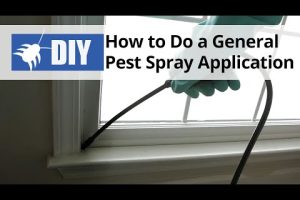
- Sprayer (Pump or Battery-Powered): Essential for applying liquid treatments to large areas, cracks, crevices, and outdoor perimeters.
- PPE Gear: Gloves, safety goggles, and a dust mask protect you during application.

Step-by-Step Guide: Beginner to Advanced DIY Pest Control
Beginner Level: Prevention and Non-Chemical Methods
Before reaching for any chemicals, start with the fundamentals of pest prevention. This is where most homeowners see the biggest return on their effort.
- Seal all cracks, gaps, and entry points around doors, windows, foundations, and utility lines using caulk or steel wool.
- Eliminate standing water sources that attract mosquitoes and other moisture-loving pests.
- Store food in airtight containers and clean up crumbs and spills immediately.
- Remove clutter, cardboard, and debris that provide hiding spots for cockroaches and rodents.
- Install door sweeps on exterior doors to block gaps at the bottom.
Intermediate Level: Targeted Treatment
Once prevention is in place, apply targeted treatments to areas where pest activity has been confirmed.
- Identify the primary pest and locate their harborage areas — the places they live, nest, and feed.
- Apply gel bait in small dots along baseboards, behind appliances, and inside cabinet cracks for ants and cockroaches.
- Place sticky traps along walls and in dark corners to monitor activity levels.
- Use granular bait around the exterior perimeter of your home, focusing on foundation vents, siding gaps, and garden beds.
- Reapply treatments every two to four weeks and monitor results through trap checks.
Advanced Level: Perimeter Barrier and Integrated Pest Management
For homeowners tackling persistent or large-scale infestations, an advanced integrated approach delivers lasting results.
- Apply a residual liquid insecticide barrier around the entire exterior of the home, focusing on entry points, windowsills, and foundation joints.
- Use a crack and crevice tool to inject dust insecticide deep into wall voids, attic spaces, and crawl spaces.
- Implement integrated pest management (IPM) principles by combining chemical treatments with habitat modification, biological controls, and ongoing monitoring.
- Rotate active ingredients periodically to prevent pests from developing resistance to a single pesticide.
- Keep a detailed pest log tracking activity, treatments applied, and results to refine your strategy over time.
DIY Pest Control vs Professional Extermination: A Comparison

Understanding the trade-offs between handling pest control yourself and hiring a professional helps you make the best decision for your situation.
| Factor | DIY Pest Control | Professional Exterminator |
| Cost | $30–$150 per month | $150–$500+ per visit |
| Control Level | Full control over products and methods | Expert assessment and treatment plan |
| Product Access | Limited to consumer-grade products | Access to commercial-grade and restricted-use products |
| Time Investment | Requires ongoing monitoring and effort | Minimal time on your part |
| Effectiveness | Effective for minor to moderate infestations | Best for severe, persistent, or dangerous infestations |
| Safety Knowledge | Requires self-education on safe handling | Professionals trained in chemical safety and application |
| Guarantee | No formal warranty | Many companies offer follow-up guarantees |
For most routine household pest problems, DIY pest control is not only viable but often the smarter choice. However, situations involving termite damage, bed bug infestations that have spread throughout the home, or dangerous venomous spiders may warrant professional intervention.
Expert Tips for Safe and Effective DIY Pest Control
- Always read and follow label instructions on every pesticide product. More product does not mean better results — it increases health risks and environmental contamination.
- Ventilate treated areas thoroughly after applying any spray or dust product.
- Keep children and pets away from treated surfaces until products have fully dried.
- Use integrated pest management by combining chemical treatments with sanitation, exclusion, and habitat modification for the most sustainable results.
- Store all pest control products in their original containers, locked and out of reach of children.
- Buy in bulk for outdoor products like granular baits and liquid concentrates, as these are often more cost-effective than small retail containers.
Frequently Asked Questions About Do Your Own Pest Control
What is the most effective DIY pest control method for cockroaches?
The most effective approach combines gel bait applied in targeted locations, boric acid dust in wall voids and dark hiding spots, and a residual spray along baseboards and entry points. Gel baits like Advion or Maxforce are widely considered the gold standard for DIY cockroach control because the active ingredient spreads through the colony via contact and cannibalism.
How long does it take for DIY pest control treatments to work?
Results vary by pest type and product used. Ant and cockroach gel baits typically show noticeable reduction within 1 to 2 weeks as the product spreads through the colony. Residual sprays create an immediate deterrent barrier, but full control of a moderate infestation may take 3 to 4 weeks of consistent treatment and monitoring.
Is DIY pest control safe for homes with pets and children?
When done correctly, do it yourself pest control is safe for homes with pets and children. Always use products labeled as safe for indoor residential use, apply treatments in areas inaccessible to children and pets, and allow surfaces to dry completely before allowing access. Food-grade diatomaceous earth and bait stations are particularly safe options for pet owners.
What products do professional exterminators use that I cannot buy?
Professional pest control operators have access to restricted-use pesticides and commercial-grade formulations that are not available to the general public. These include concentrated liquid treatments, fumigation products, and specialized termiticide barriers. However, for the vast majority of common household pests, consumer-grade products are highly effective when applied correctly and consistently.
Can I prevent pests entirely without using chemical products?
Prevention without chemicals is absolutely possible and should be your first line of defense. Sealing entry points, eliminating food and water sources, maintaining cleanliness, and using physical barriers like weather stripping and mesh screens can significantly reduce pest activity. However, for active infestations, combining non-chemical methods with targeted treatments generally produces the fastest and most reliable results.
Conclusion
Do your own pest control empowers homeowners to protect their families, their homes, and their budgets with confidence and competence. By understanding the pests you are facing, equipping yourself with the right tools, following a structured approach from prevention to advanced treatment, and prioritizing safety at every step, you can achieve professional-quality results from the comfort of your own home. Start small with prevention, build your knowledge gradually, and scale your efforts as your confidence and experience grow. The key to long-term success in DIY pest management is consistency — ongoing monitoring, timely treatments, and a commitment to keeping your home inhospitable to unwanted intruders.