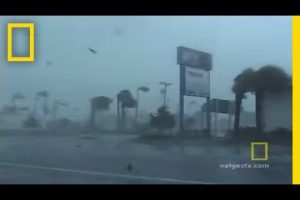
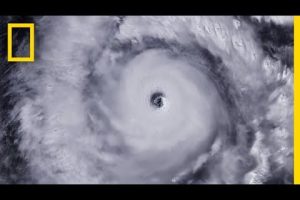
When a hurricane makes landfall, the devastation it leaves behind extends far beyond the wind damage visible in the immediate aftermath. The effects of the hurricane ripple through ecosystems, economies, infrastructure, and communities for months — sometimes years — after the storm passes. Understanding these hurricane impacts is essential for residents in coastal regions, emergency planners, and anyone looking to prepare for or recover from severe weather events. In this comprehensive guide, we’ll break down the short-term and long-term effects of hurricanes, explore the environmental consequences, discuss recovery strategies, and answer the most pressing questions people have about living through and rebuilding after a major hurricane.
Understanding Hurricane Impacts: What Really Happens After Landfall
The immediate effects of a hurricane are often what capture headlines and drive emergency response efforts. Storm surge flooding, violent wind gusts exceeding 155 miles per hour in Category 5 storms, and torrential rainfall all combine to create a destructive force that reshapes entire coastlines. But the reality is that hurricane damage doesn’t stop when the eye passes over. Flash flooding can persist for days, downed power lines remain hazardous for weeks, and water treatment systems frequently fail in the aftermath of a major storm.
According to the National Hurricane Center and FEMA, the most common immediate effects include:
- Structural destruction — Roofs torn off buildings, mobile homes completely destroyed, and commercial properties suffering catastrophic wind damage.
- Flooding — Both coastal storm surge and inland freshwater flooding displace residents and contaminate drinking water supplies.
- Power outages — Electrical grid failures can leave millions without electricity for days or even weeks.
- Transportation disruption — Roads, bridges, and airports suffer damage that delays evacuation and relief efforts.
- Communication breakdowns — Cell towers down, internet infrastructure damaged, making coordination difficult for first responders.
For anyone preparing for hurricane season, understanding these initial effects helps prioritize what matters most: family safety, emergency supplies, and having a clear evacuation plan.
Environmental and Ecological Effects of Hurricanes
Hurricanes don’t just destroy human communities — they fundamentally alter natural landscapes. The ecological effects of hurricane-force winds and flooding are complex and sometimes contradictory, creating both destruction and renewal in nature’s cycles.
Coastal Erosion and Beach Loss
Storm surge and massive wave action strip beaches of sand, erode dunes, and reshape shorelines dramatically. Barrier islands, which serve as natural buffers protecting mainland coastlines, can be significantly reduced in size or even breached entirely. This erosion increases vulnerability to future storms, creating a cycle of coastal degradation that scientists have been tracking for decades.
Freshwater Contamination
When floodwaters inundate industrial sites, agricultural land, and sewage treatment plants, the result is widespread water contamination. Runoff carries pesticides, heavy metals, bacteria, and other pollutants into rivers, lakes, and groundwater supplies. This contamination affects drinking water safety, harms aquatic ecosystems, and can trigger algal blooms that persist long after the floodwaters recede.
Forest Damage and Habitat Disruption
Inland hurricane effects extend into forested areas where trees are snapped, uprooted, or stripped of foliage. This canopy loss disrupts habitats for birds, mammals, and insects, while simultaneously creating gaps that allow sunlight to reach the forest floor and stimulate new growth. Some ecosystems, like longleaf pine forests in the southeastern United States, actually depend on periodic disturbance from storms for long-term health.
Economic and Infrastructure Damage From Hurricane Storms

The economic toll of hurricanes is staggering. Major storms like Hurricane Katrina (2005), Hurricane Harvey (2017), and Hurricane Ian (2022) caused damage exceeding $100 billion each, and the trend is worsening. Climate scientists attribute this escalation to rising sea levels, warmer ocean temperatures, and increased atmospheric moisture — all fueled by climate change.
Key economic effects of hurricanes include:

- Property and asset loss — Homes, businesses, vehicles, and personal belongings destroyed or rendered uninhabitable.
- Business interruption — Companies in affected regions face weeks or months of lost revenue, supply chain disruptions, and employee displacement.
- Agricultural damage — Crops flooded, livestock lost, farming infrastructure destroyed, leading to food supply chain issues.
- Insurance market strain — Insurers face massive claims payouts, leading to premium increases and coverage reductions in high-risk coastal areas.
- Government expenditure — Federal and state disaster relief funds are stretched thin, often requiring supplemental appropriations from Congress.
Small businesses and low-income communities typically bear the heaviest economic burden, lacking the insurance coverage and financial reserves needed to rebuild quickly. This inequality in recovery speed is one of the most troubling aspects of hurricane aftermath that policymakers continue to address.
Human Health and Social Consequences of Hurricane Disasters
Beyond physical damage, hurricanes create serious public health challenges that are often overlooked in post-storm coverage. The effects of hurricane disasters on human well-being are both immediate and prolonged.
Physical Health Risks
Injuries from falling debris, drowning in floodwaters, and electrocution from downed power lines cause direct casualties. In the weeks following a storm, exposure to mold in flooded buildings leads to respiratory issues, skin infections, and allergic reactions. Vector-borne diseases like dengue fever and West Nile virus can spike as standing water creates breeding grounds for mosquitoes. Mental health crises — including PTSD, anxiety, and depression — surge in affected populations, particularly among children and elderly residents who experienced the storm firsthand.
Displacement and Community Disruption
Millions of residents are displaced after major hurricanes, either temporarily or permanently. This displacement fractures social networks, disrupts children’s education, and strains shelters and temporary housing programs. Communities that lose significant populations after a hurricane often struggle to recover their economic vitality, leading to a phenomenon researchers call “hurricane gentrification,” where wealthier newcomers replace displaced low-income residents.
Long-Term Effects and Recovery After a Hurricane
Recovery from a major hurricane is measured in years, not weeks. The long-term effects of hurricanes shape the trajectory of affected regions for a decade or more. Infrastructure rebuilds, but they often rebuild differently — with updated building codes, elevated structures, and improved drainage systems designed to withstand future storms. Some communities never fully recover their pre-storm population levels, leading to permanent demographic shifts.
Expert recommendations for long-term recovery include:
- Invest in resilient infrastructure — Elevated utilities, reinforced building materials, and improved stormwater management systems.
- Update zoning and building codes — Restrict development in the most vulnerable coastal flood zones.
- Prioritize mental health services — Fund long-term counseling and community support programs for disaster survivors.
- Strengthen early warning systems — Invest in technology and communication networks that give residents more time to evacuate safely.
- Support equitable recovery funding — Ensure federal and state disaster aid reaches the most vulnerable populations first.
Comparison Table: Short-Term vs Long-Term Hurricane Effects
| Category | Short-Term Effects (0–6 Months) | Long-Term Effects (1–10+ Years) |
| Structural | Building destruction, roof loss, flooding damage | Rebuilding with updated codes, neighborhood transformation |
| Economic | Business closures, job losses, insurance claims surge | Premium increases, economic restructuring, gentrification |
| Environmental | Flooding, debris, immediate habitat destruction | Ecosystem recovery or permanent alteration, erosion patterns |
| Public Health | Injuries, waterborne illness, mold exposure | Chronic mental health issues, ongoing disease exposure |
| Social | Displacement, shelter needs, community disruption | Population shifts, demographic changes, social fragmentation |
| Infrastructure | Power grid failure, road/bridge damage, water contamination | System modernization, improved resilience investments |

FAQs: Long-Tail Questions About Hurricane Effects
What are the lasting environmental effects of a hurricane on coastal ecosystems?
Coastal ecosystems experience significant changes after a hurricane, including saltwater intrusion into freshwater wetlands, mangrove forest destruction, coral reef damage from sedimentation, and altered tidal patterns in estuaries. While some ecosystems recover within a few years, others — particularly those already stressed by pollution or development — may take decades to restore or may never return to their pre-storm condition entirely.
How long does it typically take a community to fully recover from a major hurricane?
Full community recovery from a Category 3 or higher hurricane typically takes 5 to 10 years, depending on storm severity, level of damage, available funding, and community preparedness. Infrastructure rebuilds often occur within 1–3 years, but socioeconomic recovery — including population return, business reopening, and neighborhood stabilization — frequently extends much longer.
What health risks persist months after a hurricane passes?
Months after a hurricane, lingering health risks include mold-related respiratory illness from water-damaged buildings, contaminated well water systems, increased mosquito populations carrying diseases, and mental health conditions such as post-traumatic stress disorder, depression, and substance abuse. Vulnerable populations — including elderly residents, children, and those with pre-existing conditions — face the highest ongoing health risks.
Can hurricane damage affect property values years after the storm?
Yes, hurricane damage can depress property values for years, particularly in coastal zones prone to repeated flooding. Studies show that homes in flood-damaged areas experience value reductions of 10–30% in the years following a major storm, and in some high-risk regions, property values have not fully recovered even a decade after catastrophic flooding events.
What should families include in a hurricane emergency preparedness kit?
A comprehensive hurricane preparedness kit should include at least a three-day supply of water and non-perishable food, prescription medications, flashlights and batteries, a battery-powered or hand-crank weather radio, important documents in waterproof containers, first aid supplies, cash in small denominations, phone chargers and backup batteries, and a family communication plan. Tailoring your kit to specific household needs — including pet supplies, infant formula, or mobility equipment — ensures your family is ready when warnings are issued.
Conclusion
The effects of a hurricane extend far beyond the dramatic images of wind and water that dominate news coverage in the storm’s immediate aftermath. From environmental degradation and economic disruption to lasting public health consequences and social transformation, hurricane impacts reshape communities and ecosystems in profound ways. The most resilient communities are those that prepare before storms arrive, invest in infrastructure that can withstand extreme weather, and prioritize equitable recovery for all residents. As hurricane seasons grow more intense due to climate change, understanding these effects isn’t just academic — it’s a matter of survival and long-term prosperity for millions of people living in vulnerable coastal regions across the world.