Hurricanes rank among the most devastating natural disasters on Earth, combining ferocious winds, torrential rainfall, and catastrophic storm surges into a single, unstoppable force. When a hurricane makes landfall, the effects ripple far beyond the immediate path of destruction, reshaping landscapes, economies, and entire communities for years—or even decades—to come. Whether you live along a coastal corridor or want to understand how tropical cyclones affect global ecosystems, this comprehensive guide breaks down every dimension of hurricane impacts in clear, actionable detail.
What Are the Effects of Hurricanes?

The effects of hurricanes span a vast spectrum, from instantaneous structural collapse to slow-moving environmental degradation. Understanding these consequences helps individuals, governments, and businesses prepare more effectively and respond more intelligently when disaster strikes. Hurricanes don’t just damage buildings—they disrupt power grids, contaminate freshwater supplies, destroy agricultural land, and trigger cascading socioeconomic challenges that can linger for generations.
Immediate Physical Destruction
Wind Damage and Structural Impacts
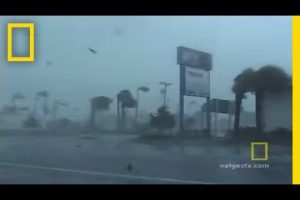
Sustained winds in a Category 3 hurricane can exceed 111 mph, while Category 5 storms push past 157 mph. At these velocities, virtually any structure above ground becomes vulnerable. Roofs peel away, exterior walls collapse, and airborne debris transforms into dangerous projectiles capable of penetrating reinforced materials. Wooden frame homes often suffer total roof failure, while even concrete buildings can sustain catastrophic window breaches and facade damage.
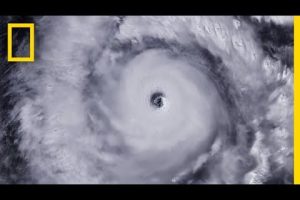
The wind field of a hurricane extends far beyond the eye wall, meaning areas hundreds of miles from the center experience damaging gusts. This wide reach means that even inland communities face significant wind-related destruction, including downed power lines, uprooted trees, and collapsed signage.
Storm Surge and Coastal Flooding
Storm surge typically accounts for the greatest share of hurricane-related fatalities and property damage. As a hurricane approaches the coast, low atmospheric pressure combined with powerful onshore winds pushes ocean water inland, sometimes raising sea levels by 20 feet or more. The result is an overwhelming wall of water that inundates coastal communities, sweeps away vehicles, and collapses poorly engineered seawalls.
Key factors that amplify storm surge severity include:
- Storm intensity and forward speed
- Angle of landfall relative to the coastline
- Continental shelf slope and coastal bathymetry
- Presence or absence of natural barriers like coral reefs and mangroves
Flash Flooding and Inland Damage
Heavy rainfall from tropical cyclones can produce inland flooding hundreds of miles from the coastline. A slow-moving hurricane may dump 10 to 20 inches of rain in a single day, overwhelming rivers, dams, and urban drainage systems. Flash floods carve new channels through roads, collapse bridges, and transform normally dry creek beds into raging torrents that sweep away everything in their path.

Long-Term Environmental Effects
Ecosystem Disruption
Hurricanes play a complex, dual role in natural ecosystems. While short-term destruction is undeniable, tropical cyclones also serve as ecological reset mechanisms in many regions. Severe winds strip canopies in old-growth forests, creating gaps that allow sunlight to reach the forest floor and stimulate new plant growth. Coastal storm surges deposit nutrient-rich sediment onto barrier islands and estuaries, which benefits fish spawning grounds and wetland habitats over time.
However, the negative environmental consequences are equally significant. Saltwater intrusion into freshwater wetlands can kill sensitive vegetation and alter soil chemistry for years. Coral reefs suffer direct physical breakage from wave action and sediment smothering, while nesting beaches for sea turtles and shorebirds can be completely eroded by a single storm event.
Soil Erosion and Land Degradation
Prolonged heavy rainfall destabilizes hillsides and coastal bluffs, triggering landslides and accelerating soil erosion. Deforested and deforested areas are especially vulnerable because root systems that normally anchor topsoil are absent. Over successive hurricane seasons, repeated erosion can render agricultural land unproductive and alter the topography of entire watersheds.
Economic and Social Consequences
Infrastructure and Economic Losses
The economic toll of hurricanes extends well beyond visible property damage. Businesses shut down during and after landfall, supply chains fracture, and entire regional economies can contract for months. Critical infrastructure—power substations, water treatment plants, transportation networks—requires massive investment to repair or replace.
Consider the following economic dimensions of hurricane impacts:
- Direct property losses — homes, commercial buildings, vehicles, and personal possessions
- Business interruption costs — lost revenue during closures and supply chain delays
- Infrastructure repair expenses — roads, bridges, utilities, and public buildings
- Agricultural damage — destroyed crops, livestock losses, and soil degradation
- Long-term tourism decline — coastal destinations often experience reduced visitor traffic for months following a major event
According to historical data, hurricanes Harvey, Katrina, and Ian each caused economic losses exceeding $100 billion USD, illustrating how a single storm can reshape a national economy.
Mental Health and Community Impact
The social and psychological effects of hurricanes are frequently underestimated. Survivors commonly experience post-traumatic stress disorder, anxiety, depression, and grief reactions that can persist for years. Displacement from destroyed homes forces families into temporary shelters or distant communities, fracturing social networks and support systems.
Vulnerable populations—including elderly residents, low-income families, and individuals with pre-existing health conditions—often bear the heaviest emotional and practical burdens. Recovery timelines vary dramatically depending on insurance coverage, government aid availability, and the strength of local community bonds.
Short-Term vs Long-Term Hurricane Effects: Comparison Table
| Category | Short-Term Effects | Long-Term Effects |
| Property | Roof damage, broken windows, flooded interiors | Reduced property values, insurance premium increases |
| Environment | Defoliated forests, eroded beaches, dead marine life | Ecosystem regeneration, altered species distribution |
| Economy | Business closures, job losses, supply shortages | Population migration, reduced tax base, rebuilding investment |
| Public Health | Injuries, waterborne illness, mold exposure | Chronic mental health challenges, prolonged healthcare strain |
| Infrastructure | Downed power lines, damaged roads, broken pipes | Aging infrastructure, need for system-wide upgrades |
Practical Recommendations for Preparing and Recovering
Preparation dramatically reduces the human and financial cost of hurricanes. Experts recommend beginning hurricane readiness efforts well before official storm season begins in June for the Atlantic basin.
Expert tips for hurricane preparedness:
- Assemble a go-bag with at least 72 hours of water, non-perishable food, medications, and critical documents
- Install impact-resistant windows or permanent storm shutters on all exposed openings
- Reinforce garage doors, as they are the most common point of structural failure
- Maintain an emergency cash reserve, since ATMs and card payment systems often fail post-disaster
- Document your property with photographs and video before each season for faster insurance claims
During recovery, prioritize mold remediation within 24 to 48 hours of water intrusion, as mold colonies can establish themselves rapidly in humid, hurricane-damaged structures. Work with licensed contractors experienced in disaster restoration and verify all repair permits with local building authorities to ensure compliance with updated flood zone codes.
Frequently Asked Questions
What are the primary long-term effects of hurricanes on coastal communities?
Long-term effects include sustained population decline as residents relocate after repeated flooding, permanently elevated flood insurance premiums, gradual land subsidence from compacted sediment deposits, and lasting changes to local economies as businesses either rebuild in safer locations or permanently close. Coastal communities that experience multiple major hurricanes within a decade often undergo significant demographic and economic transformation.
How do hurricanes affect drinking water supplies?
Hurricanes compromise drinking water through multiple pathways: storm surge contaminates freshwater aquifers with saltwater intrusion, flooding overwhelms wastewater treatment facilities and introduces pathogens into supply lines, and power outages disable pumping stations. Many municipalities issue boil-water advisories for weeks following a major hurricane event, and some rural communities lose access to potable water for months.
Can hurricanes have positive environmental effects?
Yes, tropical cyclones can produce beneficial ecological outcomes. Rainfall replenishes freshwater lakes and wetlands that dry out during drought periods. Storm-driven wave action redistributes sand along coastlines, naturally replenishing eroded beaches. Canopy disturbance from high winds promotes biodiversity by creating varied light conditions that support different plant species, and nutrient deposition from floodwaters can fertilize agricultural soils downstream.
What role does climate change play in hurricane intensity and frequency?
Scientific research increasingly links rising ocean surface temperatures to more rapid hurricane intensification and higher peak wind speeds in the most powerful categories. While the total number of named storms may not increase uniformly, the proportion of Category 4 and 5 hurricanes is projected to grow. Warmer atmospheres also hold more moisture, leading to significantly heavier rainfall rates during landfall—often exceeding historical norms by 10 to 15 percent per degree Celsius of warming.
How long does it typically take a community to fully recover from a major hurricane?
Recovery timelines vary enormously based on storm severity, community wealth, and federal aid availability. Small municipalities with limited resources may take five to ten years to fully rebuild infrastructure and restore economic vitality. Well-funded urban areas often see visible reconstruction within two to three years, but psychological recovery, insurance disputes, and long-term population shifts can extend the healing process for a decade or longer. Communities that diversify their economies and invest in resilient infrastructure before storms tend to recover significantly faster.
Conclusion
The effects of hurricanes extend far beyond the dramatic imagery of wind and water that dominates news coverage. From the immediate devastation of storm surge and wind destruction to the slow, grinding challenges of economic recovery and environmental healing, tropical cyclones test the resilience of both natural systems and human communities. By understanding the full scope of hurricane impacts—physical, ecological, economic, and psychological—individuals and institutions can make smarter decisions about preparedness, infrastructure investment, and long-term adaptation. The most resilient communities are those that treat every hurricane season as an opportunity to learn, improve, and build stronger for whatever comes next.