


When the weather shifts and the seasons change, bug pest control stops being a luxury and becomes a necessity for every homeowner. Whether you are dealing with a sudden influx of ants marching across your kitchen counter or a persistent colony of cockroaches hiding in the damp corners of your basement, managing these unwanted intruders requires both strategy and knowledge. Effective insect pest control is not just about reaching for a can of spray and hoping for the best; it involves understanding pest behavior, identifying vulnerabilities in your home, and implementing targeted solutions that provide lasting relief. If you have been searching for reliable home bug control methods that actually work, you have come to the right place. This comprehensive guide dives deep into the world of managing household pests, offering practical, expert-backed advice to help you reclaim your living space and protect your family’s health.
Understanding the Landscape of Bug Pest Control
Successful pest management strategies begin with understanding what attracts pests into your living environment in the first place. Insects are driven by three primary needs: food, water, and shelter. By disrupting these elements, you can drastically reduce the likelihood of an infestation taking hold. Home bug control starts with a thorough assessment of your property’s exterior and interior conditions. Are there gaps in your foundation? Is there standing water near your gutters? Are food sources improperly stored? Addressing these foundational issues is the first step in any effective insect pest control plan.
It is also important to recognize that pest pressure fluctuates with the seasons. As temperatures drop in the autumn, insects seek warmth and moisture indoors, often congregating in wall voids and attics. Conversely, spring and summer bring swarms of mosquitoes, flies, and foraging ants. Understanding these patterns allows homeowners to preemptively adjust their defense mechanisms, ensuring that their insect pest control efforts are timely and relevant to the current threat level.
Common Household Invaders
Not all pests are created equal, and different environments attract different species. Here are the most common household invaders that homeowners typically encounter when seeking bug pest control solutions:
- Cockroaches: Thriving in warm, humid environments, these pests are notorious for spreading bacteria, allergens, and pathogens that can trigger asthma attacks.
- Ants: From carpenter ants to odorous house ants, these social insects enter structures searching for sugary food sources and moisture, often leaving complex pheromone trails for their colonies.
- Spiders: While many spiders are beneficial to the ecosystem, their presence indoors often signals a larger population of other flying or crawling insects they prey upon.
- Termites: Silent destroyers that feed on wood, causing billions of dollars in structural damage annually if left unchecked.
- Bed Bugs: These elusive parasites hitchhike into homes through luggage, clothing, and used furniture, making elimination notoriously difficult without professional intervention.
DIY vs. Professional Bug Pest Control: What You Need to Know
When homeowners first notice signs of a pest problem, the immediate instinct is often to grab an over-the-counter spray or set a glue trap. However, the decision between do-it-yourself solutions and hiring a professional extermination service is critical. DIY methods can offer temporary relief for minor nuisances, but they rarely address the root cause of a severe infestation. Professional pest management strategies utilize commercial-grade products and specialized equipment that are not available to the general public.
Furthermore, incorrect application of pesticides can be dangerous to pets, children, and the environment. To help you determine the right path for your situation, consider the following comparison:
| Factor | DIY Bug Pest Control | Professional Pest Control |
| Cost | Low upfront cost, but may require repeated purchases and frequent reapplication | Higher initial investment, but offers long-term value and structural protection |
| Effectiveness | Temporary relief for minor surface-level issues | Targeted treatments addressing root causes and hidden colonies |
| Safety | Risk of improper chemical handling and resistance buildup | Trained technicians using safe, regulated, and targeted methods |
| Time Investment | High; requires constant monitoring and frequent reapplication | Low; handled by experts in a single visit or scheduled series |
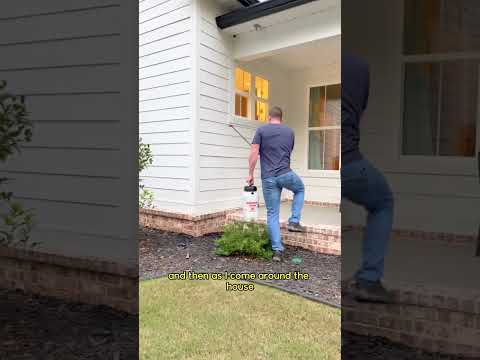
When to Call the Pros
You should consider calling a professional when you notice signs of a large-scale infestation, such as droppings, damage to wooden structures, or seeing live pests daily despite your efforts. If you are dealing with dangerous species like termites or venomous spiders, delaying professional insect pest control can result in severe property damage or health risks. A licensed technician can identify the specific pest, locate harborage areas, and deploy solutions that are both safe and highly effective.
Proven Strategies for Effective Bug Pest Control
Implementing a multi-layered approach is the gold standard in modern pest management strategies. Relying on a single method is rarely sufficient for comprehensive home bug control. Instead, homeowners should integrate prevention, exclusion, and targeted treatment methods to ensure complete eradication and long-term protection.
Integrated Pest Management (IPM) Explained
Integrated Pest Management, or IPM, is a scientifically backed approach that focuses on long-term prevention of pests through a combination of biological, cultural, physical, and chemical tools. IPM relies on a thorough understanding of the target pest’s biology and habits to apply the least hazardous interventions first. This method is not only effective but also environmentally responsible.
- Inspection: A thorough assessment of the property to identify pest activity, entry points, and conducive conditions that attract insects.
- Identification: Correctly determining the species of pest is crucial because different insects require different treatment protocols and baits.
- Prevention: Sealing entry points, removing food and water sources, and modifying habitats to make them significantly less inviting for pests.
- Control: Applying targeted treatments only when necessary, starting with the least toxic options like pheromone traps or diatomaceous earth before moving to chemical interventions.

Advanced Tips for Long-Term Protection Against Household Pests
Once you have the initial infestation under control, the real work of bug pest control begins—preventing their return. Seasonal pest control is essential because different insects become active at different times of the year. For example, rodents and roaches seek warmth indoors during the fall, while ants and mosquitoes are most active in the spring and summer.
Here are expert recommendations to keep your home protected year-round and maintain a pest-free environment:
- Weather-stripping and caulking: Inspect the perimeter of your home and seal any cracks or crevices larger than a pencil eraser. Pests can squeeze through incredibly small gaps that homeowners often overlook during standard maintenance.
- Landscape management: Keep mulch and vegetation at least two feet away from your foundation. Overgrown bushes provide perfect bridging points for insects to reach your upper floors and infiltrate your attic.
- Moisture control: Fix leaky faucets and ensure proper drainage in your basement and crawl spaces. Many pests, including silverfish and centipedes, are strongly drawn to excessive moisture and damp conditions.
- Routine inspections: Schedule quarterly check-ups with a licensed pest control operator to catch problems before they escalate into full-blown infestations that require expensive remediation.
Frequently Asked Questions About Bug Pest Control
How to get rid of bugs in walls?
Bugs in walls usually indicate a hidden colony or a void space they are using as a highway. To eliminate them, you must first identify the entry points by inspecting the exterior of your home. Using residual dust insecticides applied through small drill holes in the drywall can effectively reach the hidden voids where these pests nest and breed. Always wear proper protective equipment and consider hiring a professional if the infestation is widespread.
What is the best natural bug pest control methods?
Diatomaceous earth, essential oil sprays (such as peppermint or tea tree oil), and boric acid are among the most effective natural solutions available today. Diatomaceous earth works by physically damaging the exoskeletons of crawling insects, causing them to dehydrate and die. It is a safe, non-toxic powder that can be applied in baseboards and under appliances without harming pets or children when used as directed. Essential oils can deter spiders and ants when sprayed around entry points.
Why do bugs keep coming back after extermination?
Pests often return after treatment because the initial intervention only targeted the visible adults, leaving eggs, larvae, or hidden colonies untouched. Additionally, if the root attractants—such as accessible food, water, or entry points—are not eliminated, new pests will inevitably replace the ones that were killed. True pest management strategies require consistent sanitation and exclusion practices alongside any treatment to break the breeding cycle completely.
How often should you schedule professional bug pest control?
For most residential properties, scheduling professional insect pest control services quarterly is the industry standard. Quarterly treatments create a continuous protective barrier around your home, ensuring that as new pests emerge with the changing seasons, they are intercepted before they can establish an indoor population. However, high-risk homes or those with a history of severe infestations may benefit from monthly treatments during peak pest activity seasons.
Taking Control of Your Home’s Bug Pest Control
Managing bug pest control effectively requires more than just reacting when you see a single insect scurrying across the floor. It demands a proactive, informed approach that combines prevention, targeted treatment, and ongoing maintenance. Whether you choose to tackle a minor nuisance with DIY methods or enlist the help of a professional extermination service, understanding the behavior of common household pests is your greatest asset. By implementing the integrated pest management strategies outlined above and maintaining a vigilant household, you can protect your home from the damage and health risks associated with insect infestations. Remember, the best defense against pests is a strong offense—start today and enjoy a pest-free living environment for years to come.