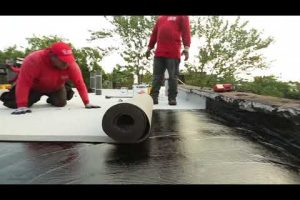
Deciding to replace your entire roof is one of the most significant investments a homeowner can make. Whether your current roof has deteriorated beyond repair, sustained storm damage, or you are simply upgrading to a more durable material, understanding every aspect of a full roof replacement can save you thousands of dollars, prevent costly mistakes, and ensure the job is done right the first time. This comprehensive guide walks you through everything you need to know about roof replacement costs, materials, timelines, permits, and the step-by-step process — so you can make a confident, informed decision for your home.
What Is a Full Roof Replacement?
A full roof replacement, sometimes called a complete roof overhaul or total roof tear-off, involves removing every layer of existing roofing material down to the bare decking and installing an entirely new roof system from the base up. This is fundamentally different from a roof repair or a roof overlay, where new shingles are simply placed over the old ones. During a full replacement, contractors strip off old shingles, inspect and repair the roof deck, replace damaged underlayment and flashing, and install new shingles or your chosen roofing material. This approach addresses hidden problems like rotting plywood, water-damaged decking, or compromised structural supports that a simple overlay would mask.
Signs You Need a Full Roof Replacement
Not every roofing problem requires a full tear-off. However, certain warning signs indicate that patching or repairing is no longer a viable option. Recognizing these signals early can help you avoid emergency situations, interior water damage, and mold growth inside your home.
Visible Damage Indicators
- Curling, buckling, or missing shingles — When shingles lose their granule coating, curl at the edges, or go missing entirely, the protective barrier is compromised.
- Shingle granule loss in gutters — Finding a significant amount of granules in your gutter troughs is a strong sign your roof is aging and approaching the end of its lifespan.
- Daylight visible through the roof boards — If you can see sky or light in your attic, water is almost certainly getting in as well.
- Dark streaks or algae stains — While not always catastrophic, widespread staining often signals moisture retention and underlying moss growth that can rot wood decking.
Structural Warning Signs
- Sagging ridgeline or dips in the roof plane — This suggests deck deflection, possibly from long-term moisture saturation or structural beam failure.
- Multiple leaks across different areas — When leaks appear in several locations, the problem is usually systemic rather than isolated, pointing to an aging roof system.
- Roof age exceeding 25 years — Most asphalt shingle roofs last 20 to 30 years. If yours is at or past the midpoint and showing any wear, replacement planning is wise.
Full Roof Replacement Cost Breakdown
The cost of replacing an entire roof varies dramatically based on home size, pitch, materials selected, and regional labor rates. On average, homeowners spend between $8,000 and $30,000 for a full roof replacement project. Below is a detailed breakdown of the primary cost components and a comparison of average costs by roofing material type.
| Roofing Material | Cost per Square Foot | Estimated Cost (1,500 sq ft roof) | Lifespan |
| 3-Tab Asphalt Shingles | $3.50 – $5.50 | $5,250 – $8,250 | 20–25 years |
| Architectural (Dimensional) Shingles | $5.50 – $8.00 | $8,250 – $12,000 | 25–30 years |
| Metal Roofing (Standing Seam) | $10.00 – $18.00 | $15,000 – $27,000 | 40–70 years |
| Clay or Concrete Tile | $12.00 – $25.00 | $18,000 – $37,500 | 50–100 years |
| Slate Roofing | $15.00 – $30.00+ | $22,500 – $45,000+ | 75–200 years |
Keep in mind that these estimates include materials and labor for a standard-pitch roof on a single-story home. Steep roofs, multiple valleys, skylights, chimneys, and complex architectural features will increase the total cost. Additionally, permit fees, debris removal, and any necessary decking repairs add to the final invoice.
Roof Replacement Materials Compared
Choosing the right roofing material is arguably the most important decision in any full roof replacement project. Each option offers a unique balance of durability, aesthetics, cost, and energy efficiency. Let us examine the most popular choices in detail.
Asphalt Shingles
Asphalt shingles dominate the residential roofing market for good reason. They are affordable, widely available, relatively easy to install, and come in a vast range of colors and styles. Three-tab shingles are the budget-friendly option, while architectural shingles offer a more dimensional, high-end appearance with improved wind resistance and longer warranty coverage. Architectural shingles typically carry Class 3 or Class 4 impact ratings, making them a solid choice for hail-prone regions.
Metal Roofing

Standing seam metal roofs have surged in popularity due to their exceptional longevity, energy efficiency, and modern aesthetic. They reflect solar radiant heat, which can reduce cooling costs by 10 to 25 percent. Metal roofing is lightweight, fire-resistant, and can last 40 to 70 years or more with proper maintenance. The primary drawback is the higher upfront cost, but the return on investment over multiple decades makes it a compelling long-term choice.

Slate and Tile Options
Natural slate and concrete or clay tiles represent the premium tier of roofing materials. They are incredibly durable, with lifespans that can exceed a century for natural slate. These materials are fireproof, impervious to rot and insects, and offer a distinctive, high-end appearance. However, they are heavy, requiring a reinforced roof structure, and installation demands specialized craftsmanship. The cost is significantly higher than other options, but the lifespan-to-cost ratio is unmatched.
Step-by-Step Roof Replacement Process
Understanding how a roofing contractor executes a full roof replacement helps you monitor the project and ensure quality at every stage. Here is what a professional job should look like from start to finish.

- Inspection and Estimation — A qualified roofing contractor visits your property to assess the current roof condition, measure the square footage, identify structural issues, and provide a detailed written estimate that breaks down material costs, labor, permits, and waste removal.
- Permit Acquisition — Most municipalities require a building permit for roof replacement. Your contractor should handle this step, ensuring the project complies with local building codes and zoning regulations.
- Tear-Off and Debris Removal — Workers strip off all existing roofing layers, remove damaged decking, and haul away debris. This critical phase reveals any hidden problems beneath the surface.
- Decking Inspection and Repair — The exposed roof deck is thoroughly inspected. Rotten or warped plywood sections are replaced, and any structural repairs are completed before proceeding.
- Underlayment and Ice-and-Water Shield Installation — A synthetic or felt underlayment is rolled across the deck, with additional ice-and-water shield membranes installed in vulnerable areas like valleys, eaves, and around penetrations.
- Flashing Installation — Drip edge and step flashing are installed around chimneys, vents, skylights, and wall intersections to prevent water intrusion at these critical junctions.
- New Roofing Material Application — Shingles, panels, or tiles are installed according to the manufacturer’s specifications, ensuring proper overlap, nail placement, and ventilation.
- Final Inspection and Cleanup — The crew performs a thorough inspection, clears all debris, and removes any remaining materials from your property. A final walkthrough with the homeowner confirms satisfaction.
How Long Does a Full Roof Replacement Take?
A typical full roof replacement on a single-family home takes between one and three days for a straightforward asphalt shingle job. More complex projects using metal roofing, slate, or tile can take one to two weeks depending on the scope and weather conditions. Factors that extend timelines include steep roof pitches, multiple layers of old roofing that require double tear-off, adverse weather delays, and the need for structural repairs discovered during the process.
Tips to Save Money on Your Roof Replacement
- Get at least three competitive quotes — Comparing bids from licensed, insured contractors helps you identify fair pricing and avoid overpaying.
- Time your project for the off-season — Scheduling your roof replacement in late fall or early spring often results in lower labor costs and faster contractor availability.
- Choose architectural shingles over premium materials — If budget is a primary concern, architectural shingles offer excellent durability and curb appeal at a mid-range price point.
- Negotiate a bundled scope — Ask your contractor if they will include minor decking repairs or additional flashing at a bundled rate rather than separate line items.
- Check manufacturer rebates and financing — Many shingle and metal manufacturers offer rebates or promotional financing that can reduce your out-of-pocket expense significantly.
Conclusion
A full roof replacement is a major home improvement undertaking that demands careful planning, informed material choices, and a reliable contractor. By understanding the warning signs that indicate replacement is necessary, knowing the cost breakdown and timeline expectations, and following a structured process from tear-off to final inspection, you can protect your home and maximize the value of your investment. Whether you are replacing an aging asphalt roof or upgrading to a premium metal or slate system, the key to a successful roofing project lies in preparation, research, and working with experienced professionals who prioritize quality craftsmanship and transparent communication.
Frequently Asked Questions (FAQs)
How do I know if I need a full roof replacement instead of a repair?
If your roof has widespread damage across multiple sections, is over 25 years old, shows visible sagging, or has repeated leaks that cannot be isolated to a single area, a full roof replacement is usually the more cost-effective and reliable solution compared to repeated spot repairs.
Can I stay in my home during a full roof replacement?
Yes, in most cases you can remain in the home during a roof replacement. The process is relatively quick, and contractors take precautions to protect interior spaces. However, if you have severe allergies, respiratory sensitivities, or if the work involves extensive structural repairs, temporary relocation may be advisable.
What is the average lifespan of a newly replaced roof?
The lifespan depends entirely on the material chosen. Asphalt shingle roofs typically last 20 to 30 years, metal roofs can endure 40 to 70 years, and natural slate or clay tile roofs can last 75 to 100 years or more with proper maintenance and periodic inspections.
Does a full roof replacement increase home value?
Absolutely. A new roof is one of the most impactful home improvements for resale value. Studies consistently show that a new roof can recover 60 to 70 percent of its cost at resale, and in some markets, the return rate is even higher, especially when paired with energy-efficient or premium-looking materials.
How long does a roof replacement permit process take?
Permit processing times vary by municipality, but most cities take between two and ten business days to approve a roof replacement permit. Some areas have expedited online permitting systems, while others may require in-person visits or plan reviews that extend the timeline.
What maintenance does a new roof need after installation?
Routine maintenance includes biannual inspections (spring and fall), clearing debris from gutters and valleys, trimming overhanging branches to prevent abrasion and leaf accumulation, and promptly addressing any damaged, loose, or missing shingles. Consistent maintenance can extend your roof’s lifespan by several years beyond its rated expectancy.