


Tornadoes represent one of the most violent and unpredictable natural disasters on Earth, capable of transforming communities into devastation within minutes. Understanding damage by tornadoes goes far beyond the visible destruction of roofs, walls, and trees. The full scope encompasses structural failures, environmental degradation, economic upheaval, and long-term psychological impacts on affected populations. Whether you live in Tornado Alley or are simply preparing for severe weather events, knowing how tornado damage occurs, how it is categorized, and what steps you can take to protect yourself and your property is invaluable. This comprehensive guide dives deep into the mechanics of tornado destruction, the classification systems used to measure it, and actionable strategies for recovery and prevention.
Understanding Tornado Damage: What Makes It So Destructive
When a tornado touches down, it unleashes wind speeds that can exceed 300 miles per hour in the most violent cases. The damage caused by these extreme winds is not limited to the tornado itself but also includes the debris field generated as structures, vehicles, and trees are torn apart. This flying debris becomes a secondary destruction mechanism that amplifies the overall impact exponentially.
The Science Behind Tornado Wind Speeds and Destruction
Tornado damage is fundamentally driven by wind speed, duration of contact with structures, and the path width of the funnel. A narrow but intense tornado can cause more concentrated destruction than a wider but weaker one. The rapid pressure drop inside a tornado also contributes to structural failure — buildings essentially implode when the internal pressure cannot equalize fast enough with the sudden drop outside.
Key factors that determine the severity of tornado damage include:
- Wind speed classification — higher speeds cause exponentially greater structural failure
- Duration of the tornado touchdown — longer-lasting tornadoes inflict more cumulative damage
- Path width and length — wider paths affect more buildings and infrastructure simultaneously
- Building construction quality — older or poorly reinforced structures suffer disproportionately
- Debris generation — projectile debris from one destroyed structure damages neighboring buildings
Types of Tornado Damage and Their Categories
Tornado damage manifests in several distinct forms, each requiring different assessment and recovery approaches. Understanding these categories helps emergency responders, insurance adjusters, and homeowners prioritize their response efforts effectively.
Structural Damage from High-Intensity Winds
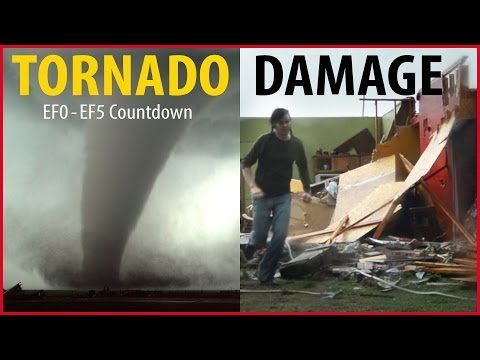
Structural damage is the most visible and widely reported consequence of tornado events. This includes partial or complete roof loss, wall collapse, foundation shifting, and total building obliteration in EF4 or EF5 events. Even moderate tornadoes can strip siding, shatter windows, and collapse garage doors — vulnerabilities that often lead to catastrophic interior damage as wind infiltrates the building envelope.
Common structural damage patterns include:
- Roof detachment — the first line of defense compromised, exposing interiors to wind and rain
- Wall collapse — exterior walls fail inward or outward depending on wind direction
- Foundation displacement — anchor bolts and ties fail, shifting the entire structure
- Multi-story collapse — in severe tornadoes, upper floors pancake downward
- Partial destruction — one wall collapses while others remain standing
Environmental and Landscape Destruction
Beyond buildings, tornado damage devastates natural landscapes. Forests are stripped of bark and branches, agricultural fields are scoured bare, and waterways are disrupted by fallen trees and debris dams. The ecological recovery from a violent tornado can take decades, and some ecosystems never fully return to their pre-event state.
Tornado Damage Scale: The EF-Scale Explained
The Enhanced Fujita Scale (EF-Scale) is the standard system used to classify tornado damage intensity in the United States and several other countries. It estimates wind speeds based on observed damage indicators and degrees of damage, providing a standardized framework for assessing tornado severity.
| EF Rating | Wind Speed Range | Typical Damage Description |
| EF0 | 65–85 mph | Light damage — broken tree branches, minor roof damage |
| EF1 | 86–110 mph | Moderate damage — mobile homes overturned, roofs severely stripped |
| EF2 | 111–135 mph | Considerable damage — roofs torn off well-built houses, large trees snapped |
| EF3 | 136–165 mph | Severe damage — entire stories of homes destroyed, trains overturned |
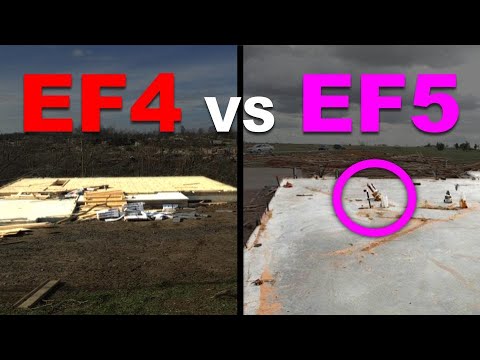
| EF4 | 166–200 mph | Devastating damage — well-constructed homes leveled, cars thrown |
| EF5 | Over 200 mph | Incredible damage — reinforced buildings swept away, foundations scoured |
The EF-Scale replaced the original Fujita Scale in 2007, incorporating 28 damage indicators and 28 degrees of damage to produce more accurate damage assessments. This refinement has improved the precision of post-tornado surveys and insurance claim evaluations significantly.
Financial and Economic Impact of Tornado Destruction
The economic toll of tornado damage is staggering. A single major tornado event can cause billions of dollars in losses, encompassing property destruction, business interruption, infrastructure repair, and agricultural losses. The 2011 Joplin tornado, for example, caused approximately $2.8 billion in insured losses alone — making it one of the costliest tornadoes in recorded U.S. history.
Key economic consequences include:
- Property and home losses — residential and commercial structures require complete rebuilding or major repairs
- Business interruption — companies lose revenue during closure and face long supply chain disruptions
- Infrastructure repair costs — power lines, water systems, roads, and schools demand significant reinvestment
- Agricultural devastation — crops destroyed, livestock killed, and farmland rendered temporarily unusable
- Insurance premium increases — affected regions experience rising premiums for years following major events
Small communities are disproportionately affected because they often lack the financial reserves and federal attention that larger cities receive after disaster declarations. Recovery timelines for these areas can stretch well beyond a decade.

How to Prepare for and Mitigate Tornado Damage
While no property can be made completely tornado-proof, there are proven strategies to significantly reduce damage and protect lives. Tornado damage mitigation begins with structural reinforcement and extends to personal preparedness planning.
Structural Recommendations for Tornado-Resistant Buildings
Homeowners and builders can adopt several construction techniques that dramatically improve a structure’s resilience to tornado-force winds:
- Install continuous load paths — connect the roof, walls, and foundation with metal straps and clips to prevent structural separation
- Use hurricane straps and clips — these metal connectors resist uplift forces that tear roofs away
- Reinforce garage doors — garage doors are the most common point of failure in residential tornado damage
- Install impact-resistant windows and doors — these prevent wind penetration that causes internal pressurization and collapse
- Build storm shelters or safe rooms — below-ground or reinforced interior rooms rated to FEMA P-361 standards provide life-saving protection
- Use wind-resistant roofing materials — Class 4 impact-resistant shingles and metal roofing systems withstand debris impacts better than traditional materials
Personal Preparedness Tips
Having a family tornado plan, multiple warning methods (NOAA weather radio, mobile alerts), and a designated safe room or interior shelter location can mean the difference between life and death. Practice tornado drills regularly, keep emergency kits stocked, and know the signs of an approaching tornado — a dark greenish sky, large hail, a low-lying rotating cloud, or a loud roar resembling a freight train.
Recovery and Rebuilding After a Tornado
The recovery process following tornado damage is complex, multi-phase, and deeply personal for affected communities. FEMA, local emergency management agencies, and nonprofit organizations like the American Red Cross coordinate relief efforts, but the timeline for full recovery varies dramatically depending on tornado intensity and community resources.
Effective recovery strategies include:
- Immediate damage assessment — professionals evaluate structural integrity before allowing re-entry
- Insurance claims filing — document all damage with photographs and inventories before cleanup begins
- Debris removal and environmental cleanup — hazardous materials like asbestos and propane must be handled by trained crews
- Mental health support — tornado survivors frequently experience PTSD, anxiety, and grief that require professional intervention
- Rebuilding with improved codes — communities can adopt stronger building standards as part of their reconstruction effort
Expert tip: do not begin cleanup or reconstruction until local authorities declare the area safe. Hidden structural damage, gas leaks, and contaminated water are common post-tornado hazards that can cause secondary injuries and fatalities.
Frequently Asked Questions
What is the most common type of tornado damage to residential homes?
Roof damage is the most common type of tornado damage to residential properties. Even EF1 and EF2 tornadoes frequently strip roofs entirely, which then exposes the interior to wind and rain, causing cascading secondary damage to walls, insulation, and electrical systems.
How long does it take to recover financially from tornado damage?
Financial recovery timelines vary enormously depending on tornado severity, insurance coverage, and community resources. Minor EF0 to EF1 damage may be resolved within 3 to 6 months, while severe EF4 or EF5 tornado destruction can leave communities in recovery mode for 5 to 10 years or longer.
Can tornadoes cause damage even without directly hitting a building?
Yes, tornadoes cause significant damage through debris fields that can travel miles from the tornado path itself. Flying debris from one destroyed structure can damage buildings hundreds of yards away, even in areas that never experienced direct wind contact from the funnel.
What is the best type of storm shelter for tornado protection?
Below-grade storm shelters that meet FEMA P-361 guidelines offer the highest level of tornado protection. These underground safe rooms are designed to withstand EF5 wind speeds and flying debris impacts. Above-ground safe rooms built to the same standard are also highly effective and preferable for those unable to access a basement.
Why do some buildings survive tornadoes while neighboring structures are destroyed?
Building survival during tornado events depends on construction quality, age of the structure, building materials, and the specific wind path. Reinforced concrete structures and those built with continuous load paths and proper roof-to-wall connections consistently outperform older frame constructions. Small variations in structural reinforcement can determine whether a building survives intact or is completely destroyed.
Conclusion
Tornado damage is a multifaceted phenomenon that extends far beyond the visible wreckage of a storm’s path. From the physics of extreme wind speeds and pressure differentials to the long-term economic and psychological recovery of affected communities, understanding tornado destruction requires a comprehensive and nuanced perspective. Whether you are a homeowner reinforcing your property, an emergency planner preparing your community, or simply someone seeking to understand the forces of nature, the knowledge outlined in this guide provides a solid foundation. Investing in structural mitigation, maintaining preparedness plans, and understanding the EF-Scale classification system empowers individuals and communities to face tornado threats with greater resilience and confidence. The most destructive tornadoes are inevitable, but the damage they cause does not have to be — not when knowledge, preparation, and smart building practices work together to protect lives and property alike.