Caring for a banana tree might seem intimidating if you have never grown one before, but the reality is that with the right knowledge, consistent attention, and a few proven techniques, anyone can nurture these tropical giants from a small sucker into a prolific fruit-bearing plant. Whether you are a backyard gardener in Florida, a hobbyist in Southern California, or someone cultivating banana plants in a greenhouse in the UK, understanding the fundamentals of banana tree care is the single most important factor that determines your success. This comprehensive guide covers everything from soil preparation and watering schedules to pest management, pruning, and harvesting — giving you actionable advice at every stage of your growing journey.
Understanding Banana Tree Care Fundamentals
Before diving into specific techniques, it helps to understand what makes banana trees unique. Botanically classified as large herbaceous plants rather than actual trees, banana plants grow from underground rhizomes called corms. They produce a single pseudostem made of tightly wrapped leaf sheaths, which flowers, sets fruit, and then dies after harvest. This lifecycle means that proper banana tree care requires constant attention to nutrition, moisture, and environmental conditions throughout the plant’s relatively short but productive life span.
The most critical factors to monitor include soil drainage, potassium levels, ambient temperature, humidity, and protection from wind damage. Neglecting even one of these elements can lead to stunted growth, poor fruit development, or total crop failure. By establishing a consistent care routine early on, you set your banana plant up for vigorous, healthy growth and bountiful harvests.
Choosing the Right Banana Tree Variety
Not all banana varieties thrive in the same conditions. Selecting a cultivar suited to your climate is the foundation of successful banana tree care. The three most commonly grown types are Cavendish, Lady Finger, and Plantain, but dozens of other varieties exist, each with distinct temperature tolerances, fruit profiles, and care requirements.
Tropical vs. Subtropical Banana Varieties
Tropical varieties such as Cavendish and Red Banana demand consistent warmth, high humidity, and abundant rainfall year-round. Subtropical and cold-hardy varieties like the Darjeeling and Basjoo banana can tolerate temperatures as low as 20°F (−7°C), making them viable options for growers in USDA zones 5 through 10. If you live outside the tropics, choosing a cold-tolerant variety dramatically simplifies your care routine and reduces the need for protective measures during winter months.
| Variety | Cold Tolerance | Fruit Size | Best Growing Zone |
| Cavendish | 30°F (−1°C) | Medium to large | USDA 9–11 |
| Lady Finger (Dwarf) | 28°F (−2°C) | Small, sweet | USDA 9–11 |
| Plantain | 32°F (0°C) | Large, starchy | USDA 8–11 |
| Basjoo (Hardy) | −4°F (−20°C) | Inedible ornamental | USDA 5–11 |
| Red Banana | 30°F (−1°C) | Small, creamy | USDA 9–11 |
Soil Preparation and Planting Techniques
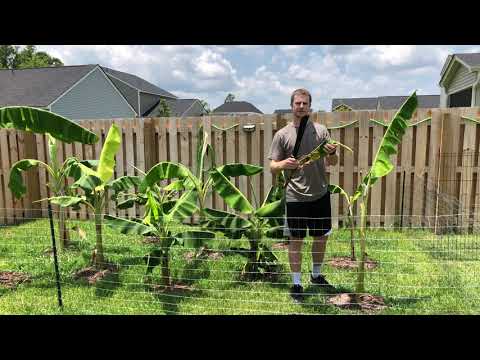
Banana trees demand rich, well-draining soil with a slightly acidic to neutral pH between 5.5 and 7.0. Heavy clay soils that retain standing water are the enemy of banana root systems, which are shallow and highly susceptible to root rot. If your native soil is dense or compacted, amend it generously with compost, aged manure, perlite, and coco coir to improve aeration and drainage.
When planting, dig a hole at least twice the width of the root ball and just as deep. Space multiple banana plants at least eight to ten feet apart to allow adequate air circulation, which helps prevent fungal diseases. Incorporate a slow-release organic fertilizer into the planting hole, and water thoroughly immediately after transplanting. For container-grown banana trees, use a pot with drainage holes that is at least fifteen gallons in size, filled with a high-quality tropical plant potting mix blended with perlite and worm castings.
Watering and Irrigation Best Practices

How Often Should You Water a Banana Tree
Watering is arguably the most time-sensitive aspect of banana tree care. These plants have enormous water demands due to their large leaf surface area and rapid growth rate. During the active growing season, established banana trees typically need deep watering every one to three days, while younger plants may require daily irrigation during hot, dry periods.
The key is deep, thorough watering rather than frequent shallow sprinkles. Water should penetrate at least twelve to eighteen inches into the soil to encourage deep root development. Allow the top two inches of soil to dry slightly between waterings, but never let the root zone dry out completely. Mulching heavily around the base of the plant with wood chips or straw helps retain soil moisture, regulate temperature, and suppress weeds.
Fertilizing for Lush Growth and Fruit Production
Banana trees are heavy feeders, and their nutrient demands are among the highest of any garden plant. A balanced fertilization schedule is essential for supporting both vegetative growth and fruit development. The primary macronutrients banana trees require are nitrogen, phosphorus, and potassium — but potassium deserves special emphasis because it directly influences fruit size, sweetness, and overall yield.
- Apply a high-potassium fertilizer (such as a 10-10-20 or potassium sulfate blend) every four to six weeks during the growing season.
- Supplement with organic matter like composted banana peel mulch, fish emulsion, or aged chicken manure to provide slow-release micronutrients.
- Add calcium and magnesium through dolomitic lime or Epsom salt applications if your soil tests show deficiencies, as these minerals prevent leaf curling and improve photosynthesis.
- Reduce nitrogen inputs once the plant begins flowering, as excessive nitrogen at this stage can delay fruit maturation and reduce sweetness.
Sunlight and Temperature Requirements
Banana trees need a minimum of six to eight hours of direct, unfiltered sunlight daily to thrive. In tropical and subtropical climates, full sun exposure is typically natural and easy to maintain. In cooler or more overcast regions, consider planting your banana tree against a south-facing wall or in a reflected heat area that maximizes solar exposure throughout the day.
Temperature-wise, banana trees grow best between 75°F and 95°F (24°C–35°C). Growth slows dramatically below 60°F (15°C), and prolonged exposure to freezing temperatures will kill the pseudostem and damage the rhizome. If you experience occasional frost, wrap the pseudostem with burlap or frost cloth and pile mulch over the base of the plant to insulate the corm. After a freeze event, resist the urge to cut back damaged foliage immediately — the dead leaves actually provide a protective layer that shields the growing point underneath.
Pest and Disease Prevention
Despite their tropical robustness, banana trees are vulnerable to several serious pests and pathogens. The most destructive include Panama wilt (Fusarium oxysporum), Sigatoka leaf spot, banana weevils, aphids, and spider mites. Prevention is far more effective than treatment, so start with healthy, disease-free planting material from reputable nurseries.
Inspect your plants regularly for early warning signs such as yellowing lower leaves, dark lesions on pseudostems, or tiny boreholes near the soil line. Remove and destroy any infected plant material immediately to prevent spreading. Neem oil sprays and beneficial insects like ladybugs can manage most common pest infestations organically. For fungal diseases, apply copper-based fungicides preventatively during humid seasons and ensure excellent spacing between plants for airflow.
Pruning and Ongoing Maintenance
Pruning is a critical but often overlooked component of banana tree care. Removing dead, damaged, or diseased leaves improves air circulation, reduces disease pressure, and redirects the plant’s energy toward fruit production. Use a clean, sharp knife or pruning saw to make precise cuts at the base of the leaf stalk, angling the cut away from the pseudostem to prevent water from collecting in the wound.
One of the most important pruning decisions involves sucker management. Banana plants produce multiple side shoots (suckers or pups) from the base of the corm. Allow only one or two strong, healthy suckers to develop per mother plant. Remove the rest — a process called “de-suckering” — to concentrate resources into fewer, more productive stems. Perform de-suckering during the active growing season when the plant has the energy to recover quickly from the removal.
Harvesting Your Banana Crop
Knowing when to harvest bananas is a skill that separates casual growers from successful ones. Most banana varieties are ready to pick approximately 75 to 120 days after the flower emerges, depending on temperature, variety, and growing conditions. Harvest your bananas when the fruit is plump and has stopped growing, but before the skin turns fully yellow. A light dusting of starch on the fruit surface at harvest indicates perfect picking timing.
Cut the entire fruit bunch from the plant using a sharp machete or pruning saw, leaving about six inches of stem attached. Handle the bunch gently to avoid bruising individual fingers. After harvest, ripen bananas at room temperature away from direct sunlight. You can accelerate the process by placing them in a paper bag alongside an apple, which releases ethylene gas that triggers ripening.

Common Banana Tree Care Mistakes to Avoid
- Overwatering in poorly drained soil, leading to fatal root rot.
- Planting in full shade, which drastically reduces fruit yield.
- Skipping potassium-rich fertilization, resulting in small, tasteless fruit.
- Ignoring pest inspections until an infestation is severe.
- Failing to protect the plant from wind, which shreds large banana leaves and weakens the pseudostem.
- Cutting back the entire plant after fruiting instead of allowing the rhizome to produce new suckers for the next cycle.
Frequently Asked Questions
How long does it take for a banana tree to produce fruit?
From planting a healthy sucker or tissue-cultured plant, most banana varieties produce their first harvest within 9 to 15 months. Dwarf varieties may fruit slightly faster, around 9 to 12 months, while larger Cavendish and Plantain types can take closer to the 15-month mark. The timeline depends heavily on consistent care, warmth, and adequate nutrition throughout the growing period.
Can you grow a banana tree indoors or in containers?
Absolutely. Dwarf banana varieties such as Dwarf Cavendish and Lady Finger adapt very well to container growing on patios, balconies, or indoors near bright south-facing windows. Use a large pot with excellent drainage, a well-aerated potting mix, and supplemental grow lights if natural light is insufficient. Container-grown banana trees require more frequent watering and feeding than their in-ground counterparts because nutrients leach out of pots faster.
What is the best fertilizer ratio for banana trees?
A fertilizer ratio with higher potassium than nitrogen or phosphorus is ideal for banana trees. A 10-10-20 formulation or a specialized banana fertilizer with an NPK ratio around 8-10-42 works exceptionally well. Supplementing with organic potassium sources such as wood ash, kelp meal, or granite dust provides additional trace minerals that support long-term soil health and sustained fruit production.
Why are the leaves on my banana tree turning yellow?
Yellowing banana leaves can result from several causes, including overwatering, nutrient deficiency (especially nitrogen or potassium), fungal infection, or natural senescence of older leaves. Evaluate your watering habits first — if the soil stays soggy, reduce irrigation and improve drainage. If the plant is well-watered but still yellowing, apply a balanced fertilizer rich in potassium and magnesium, and inspect the leaves for dark spots or streaks that indicate Sigatoka or other fungal diseases.
Do banana trees die after fruiting?
The pseudostem that produced fruit does die back after harvest, which is entirely normal. However, the underground rhizome and its connected root system survive and typically produce one to three new suckers that will grow into the next generation of fruit-bearing plants. This cycle continues for many years, making a well-maintained banana plant a long-term, self-renewing garden feature rather than a single-season crop.