Flat roof leak repair is one of the most critical maintenance tasks every property owner must understand, especially during seasons when heavy rain, snowmelt, and standing water put extraordinary stress on rooftop membranes. Unlike pitched roofs that shed water naturally through gravity, flat roofs are inherently vulnerable to ponding, UV degradation, and seam failures. Whether you own a commercial building, a residential home with a modern design, or an apartment complex, learning how to identify, address, and prevent flat roof leaks can save thousands of dollars in structural damage and premature replacement costs. This guide walks you through everything from basic patching techniques to advanced waterproofing strategies, giving you the knowledge to tackle flat roof leak repair with confidence.
Why Flat Roofs Are Prone to Leaks
Flat roofs lack the natural drainage slope that sloped roofs rely on to move water off the surface quickly. Instead, flat roofing systems depend entirely on membranes, coatings, and drainage infrastructure to keep water out. Over time, these components degrade, shift, or fail, creating entry points for moisture. Understanding the unique vulnerabilities of flat roof construction helps you make smarter decisions about repair timing and method selection.
The Role of Ponding Water in Flat Roof Deterioration
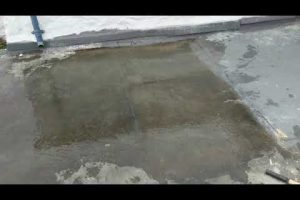
Ponding water is arguably the biggest enemy of any flat roofing system. When water collects in low spots and fails to drain within 48 hours, it begins to deteriorate membrane materials, loosen flashing, and erode underlying insulation. Even small ponds of standing water can penetrate micro-cracks and seams, accelerating the aging process dramatically. Addressing drainage issues early is the single most effective way to prevent recurring flat roof leak problems.
Common Causes of Flat Roof Leaks
Flat roof leaks rarely happen without a reason. Identifying the root cause before applying a patch is essential for lasting results. Here are the most common culprits behind flat roof water intrusion:
- Membrane aging and UV exposure — Built-up roofing (BUR), EPDM, TPO, and PVC membranes all have finite lifespans, typically ranging from 15 to 30 years depending on material quality and climate exposure.
- Blistering and bubbling — Trapped moisture or air between membrane layers creates blisters that eventually burst, leaving open wounds in the waterproof barrier.
- Failed or deteriorated flashing — Metal or membrane flashing around vents, skylights, parapets, and edges loosens over time, allowing water to seep underneath.
- Cracked or shrunken sealant — Caulk and sealants dry out, crack, and pull away from surfaces, creating gaps where water infiltrates.
- Poor drainage and clogged scuppers — Debris, leaves, and sediment block gutters and scuppers, causing water to back up and overflow onto the roof surface.
- Puncture damage from foot traffic or equipment — HVAC units, satellite dishes, and frequent roof access create stress points that can puncture membranes if not properly protected.
- Insufficient roof slope — Poor initial installation slope prevents proper water runoff, leading to chronic ponding and eventual leaks.
How to Identify a Flat Roof Leak
Finding the actual source of a flat roof leak is often more challenging than fixing it. Water can travel significant distances along ceiling joists, insulation boards, and decking before it appears as a stain on your interior ceiling. Here is a systematic approach to locating flat roof leak sources:
- Inspect the interior first. Look for water stains, mold spots, peeling paint, or damp insulation on your ceiling. Mark the general area and trace the water trail upward.
- Conduct a visual roof inspection. Use binoculars or walk the roof carefully, examining the membrane for cracks, blisters, punctures, and areas where the material appears worn or lifted.
- Check all penetrations. Vents, pipes, HVAC units, skylights, and scuppers are high-risk zones. Inspect seals, flashing, and gaskets around each penetration.
- Perform a hose test. With a helper inside watching for leaks, spray sections of the roof with a garden hose starting from the lowest point and working upward. Wait 15 to 20 minutes per section.
- Look for daylight in the attic or ceiling space. Any visible light penetrating through the roof deck indicates a breach in the waterproofing layer.
Flat Roof Leak Repair Methods Compared

Choosing the right flat roof leak repair method depends on the roof type, the severity of damage, your budget, and whether the repair is temporary or permanent. Below is a detailed comparison of the most widely used repair approaches:
| Repair Method | Best For | Average Cost per Sq. Ft. | Lifespan of Repair | Difficulty Level |
| Liquid Roof Coating | Small cracks, UV degradation, general maintenance | $0.50 – $2.00 | 5–10 years | Easy – DIY friendly |
| EPDM Patch Kit | Small punctures, seam separations on EPDM roofs | $1.00 – $4.00 | 5–15 years | Moderate |
| TPO/PVC Heat-Welded Patch | TPO and PVC membrane tears, seam failures | $3.00 – $8.00 | 10–20 years | Advanced – requires heat welder |
| BUR Felt Patching | Built-up roof blisters, surface cracks | $2.00 – $5.00 | 5–10 years | Moderate |
| Flashing Replacement | Leaks around penetrations, edges, and parapets | $5.00 – $15.00 | 10–25 years | Advanced |
| Full Membrane Replacement | Extensive damage, widespread aging, chronic leaks | $8.00 – $20.00+ | 20–30+ years | Professional required |
For minor issues like a single crack or a small puncture, a liquid roof coating or EPDM patch kit offers the most cost-effective flat roof leak repair solution. These methods are widely available at hardware stores and can typically be completed in a single afternoon. However, if your roof has multiple leaks, widespread membrane degradation, or chronic ponding, a more comprehensive approach like membrane replacement or full liquid-applied roofing system will deliver far superior long-term results.
Step-by-Step Guide to Patching a Flat Roof Leak
If you have decided to tackle a small-to-medium leak repair yourself, follow this detailed procedure for the best outcome:
- Dry the repair area thoroughly. Use a push broom, leaf blower, or towels to remove all standing water and debris from the leak site. The surface must be completely dry for any patch or coating to adhere properly.
- Clean the damaged area. Scrub the leak zone with a stiff brush and a cleaning solution of mild detergent and water. Remove all dirt, oil, loose granules, and algae. Allow it to dry completely.
- Cut away damaged material. If the membrane is blistered or significantly torn, use a utility knife to cut a clean, rectangular outline around the damaged section, extending at least 2 inches beyond the compromised area.
- Apply primer or adhesion promoter. Most patch kits and liquid coatings require a primer coat. Follow the manufacturer’s instructions carefully — applying primer in the wrong conditions (too cold, too humid) is a leading cause of patch failure.
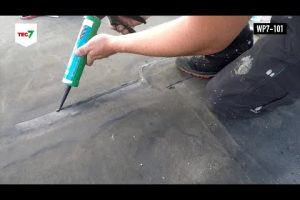
- Install the patch or apply the coating. For mechanical patches, press the material firmly and roll out air bubbles with a hand roller. For liquid coatings, apply in even, overlapping strokes using a quality roof brush or roller.
- Allow proper cure time. Most liquid roof coatings require 24 to 48 hours to cure fully. Avoid foot traffic and standing water on the repaired area during this period.
- Perform a water test. After the repair has cured, spray the patched area with water and check the interior to confirm the leak has been resolved.

Preventing Future Flat Roof Leaks
Prevention is always more affordable than repair. Building a consistent flat roof maintenance routine dramatically extends the life of your roofing system and reduces the frequency of leaks. Consider implementing these expert-recommended practices:
- Schedule biannual roof inspections — ideally in spring and fall — to catch small issues before they become major leaks.
- Clear debris from gutters, scuppers, and drains at least every three months, and after every major storm.
- Trim overhanging tree branches to reduce leaf accumulation and minimize physical damage from falling limbs.
- Address ponding water immediately by installing additional scuppers, internal drains, or tapered insulation boards to improve slope.
- Apply a reflective roof coating every 3 to 5 years to protect membranes from UV degradation and thermal stress.
- Keep a maintenance log documenting every inspection, repair, and coating application for warranty tracking and resale value.
When to Call a Professional for Flat Roof Leak Repair
While DIY repairs work well for small, isolated issues, certain situations demand the expertise of a licensed roofing contractor. You should call a professional if:
- The leak recurs despite multiple repair attempts, suggesting a systemic issue beneath the surface.
- More than 10% of the roof membrane shows signs of deterioration or damage.
- The roof has widespread ponding water that cannot be resolved through simple drainage improvements.
- You notice sagging decking or structural signs of water damage in the building frame.
- The roof is under warranty and DIY repairs could void the manufacturer’s coverage.
- The damage involves heat-welded seams on TPO or PVC membranes that require specialized equipment and training.
A qualified roofing contractor can perform a flat roof condition assessment, identify hidden moisture with infrared scanning technology, and recommend whether a targeted repair or a full roof replacement makes more financial sense for your situation.
Conclusion
Flat roof leak repair requires a combination of accurate diagnosis, the right materials, and proper technique. Whether you are dealing with a tiny pinhole crack or widespread membrane failure, acting quickly and choosing the appropriate repair method is essential to protecting your building’s structural integrity and interior spaces. Regular maintenance, prompt attention to early warning signs, and knowing when to escalate to a professional are the three pillars of effective flat roof management. By following the guidance in this article, you will be well-equipped to handle flat roof leak repair confidently and keep your roof performing at its best for years to come.
Frequently Asked Questions
How much does flat roof leak repair cost on average?
The flat roof leak repair cost varies widely depending on the repair method, roof size, and extent of damage. Small DIY patches using liquid coatings or EPDM patch kits typically cost between $50 and $300 in materials. Professional repairs for moderate damage range from $300 to $1,500, while extensive repairs or full membrane replacement can run from $3,000 to $10,000 or more for commercial buildings.

Can I repair a flat roof leak myself, or should I always hire a professional?
Small, isolated leaks on accessible flat roofs can absolutely be repaired as a DIY project using patch kits, liquid roof coatings, or sealant products. However, if the leak involves seam failures, widespread membrane deterioration, structural damage, or safety concerns like steep edges or difficult roof access, hiring a licensed flat roofing contractor is the safer and more effective choice.
What is the best waterproofing solution for a flat roof leak?
Liquid-applied polyurethane or acrylic roof coatings are widely regarded as the best waterproofing solutions for flat roof leak prevention. They create a seamless, flexible membrane that bridges cracks and seams while reflecting UV rays. For more severe damage, a full EPDM or TPO membrane replacement paired with proper drainage design provides the most durable long-term waterproofing result.
How long does a flat roof leak repair typically last?
The longevity of a flat roof leak repair depends entirely on the method used and the quality of workmanship. A liquid roof coating repair can last 5 to 10 years, an EPDM patch can hold for 5 to 15 years, while a heat-welded TPO/PVC patch may last 10 to 20 years. Full membrane replacements can provide 20 to 30 years of leak-free performance when properly installed and maintained.
Why does my flat roof keep leaking after repair?
Recurring flat roof leaks after repair almost always indicate an underlying issue that was not addressed during the initial fix. Common reasons include unresolved ponding water, inadequate drainage, undetected moisture trapped beneath the membrane, flashing failures around penetrations, or progressive membrane deterioration that extends well beyond the patched area. A thorough professional inspection is essential to identify the true root cause.