When your flat or low-slope commercial roof starts showing signs of wear, finding the right EPDM roof repair strategy can save you thousands of dollars and prevent costly interior damage. EPDM (Ethylene Propylene Diene Monomer) roofing is one of the most popular single-ply membrane systems in North America, prized for its durability, flexibility, and affordability. However, even the best EPDM roof will eventually need maintenance and repair work. Whether you are dealing with a small puncture from debris, widespread seam separation, or progressive membrane shrinkage, understanding how to approach EPDM roof patching, sealing, and restoration is essential for any building owner or facility manager. In this comprehensive guide, we walk you through everything you need to know about repairing EPDM roofing systems — from identifying common failure points to choosing the right repair materials, timelines, and cost considerations.
What Is EPDM Roofing and Why Does It Need Repair?
EPDM is a synthetic rubber membrane widely used on commercial and residential low-slope roofs. It has been a go-to roofing material since the 1960s, and millions of square feet of EPDM roofing are installed across the United States every year. While EPDM is known for its resistance to UV radiation, ozone, and extreme weather, the material is not immune to degradation over time. Exposure to standing water, thermal cycling, mechanical foot traffic, and environmental contaminants can all accelerate wear. Understanding the typical EPDM roof repair scenarios helps you act quickly before minor issues escalate into expensive replacements.
Most EPDM roofs have a service life of 25 to 35 years when properly maintained. However, neglected membranes can begin failing as early as 10 to 15 years. Recognizing the warning signs early is the single most important step in extending your roof’s longevity and avoiding premature full replacement.
Common EPDM Roof Problems and How to Spot Them
Before you can effectively repair an EPDM roof, you need to accurately diagnose the underlying problem. Many roofing issues look similar on the surface but require completely different repair approaches. Here are the most common EPDM roof problems that building owners encounter.
Punctures and Tears
Punctures are the most frequent type of EPDM roof damage, often caused by fallen branches, foot traffic, HVAC equipment movement, or sharp debris left on the membrane. Tears typically develop near seams or flashings where the membrane is under stress. Even a small puncture as tiny as a dime can allow water to infiltrate the insulation deck and cause extensive interior damage over time. When inspecting your roof, look for visible holes, cracked areas, or sections where the black rubber membrane appears stretched or lifted.
Membrane Shrinkage and Cracking

One of the most challenging EPDM roof repair issues is shrinkage. Over years of sun exposure and thermal cycling, EPDM membranes can contract, pulling away from parapet walls, skylights, and expansion joints. This shrinkage creates tension at the seams and around penetrations, leading to stress cracks and open joints. Shrinkage-related damage is especially common on roofs that were poorly installed or have insufficient seam adhesion. If you notice gaps between the membrane and the flashing or see white, chalky cracking along the surface, shrinkage is likely the culprit.
Seam Separation and Water Ponding
EPDM roofs are typically joined using seam tape or adhesive, and over time these seams can separate, creating pathways for water intrusion. Additionally, EPDM roofs with inadequate drainage can develop ponding water — standing pools that accumulate after rainfall. Ponding accelerates membrane degradation, undermines seam adhesion, and promotes the growth of algae and moss. Both seam separation and ponding require targeted EPDM roof repair solutions tailored to the specific failure mechanism.
DIY EPDM Roof Repair: A Step-by-Step Guide
For small to moderate damage, many building owners and maintenance teams choose to perform EPDM roof patching themselves. A successful DIY repair can extend the life of your roof by several years and buy time for budget planning. Here is a detailed walkthrough of the process.
- Inspect the damaged area thoroughly. Walk the entire roof surface and use a moisture meter to identify hidden wet spots. Mark all damaged zones with chalk or spray paint.
- Clean the repair surface completely. Use a broom to remove debris, then wipe the area with a cloth dampened with isopropyl alcohol or a dedicated EPDM cleaner. The surface must be dry, clean, and free of oils, dirt, and loose particles.
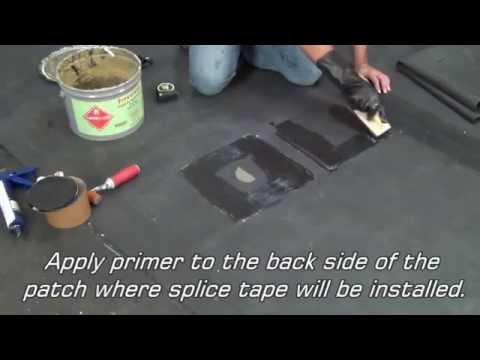
- Cut a patch piece from EPDM membrane material. The patch should extend at least two inches beyond the damaged area on all sides. Round all corners to prevent edge lifting.
- Apply EPDM-compatible contact cement or liquid adhesive to both the roof surface and the back of the patch. Allow both surfaces to become tacky before pressing the patch firmly into place.
- Roll the patch with a roofing roller to eliminate air bubbles and ensure full adhesion. Pay special attention to the edges and corners.
- Seal all patch edges with a compatible EPDM seam tape or liquid sealant. For added durability, apply a thin bead of sealant around the entire perimeter of the patch.
- Allow the repair to cure according to the manufacturer’s instructions — typically 24 to 48 hours — before exposing it to foot traffic or water.
Professional vs. DIY EPDM Roof Repair: Cost and Scope Comparison
Not every EPDM roof repair is suitable for a DIY approach. The table below compares professional repair services with do-it-yourself solutions across key factors.
| Factor | DIY Repair | Professional Repair |
| Cost per Repair | $50 – $300 in materials | $300 – $1,500+ per project |
| Best For | Small punctures, tears under 12 inches | Large separations, shrinkage, full seam failure |
| Skill Level Required | Moderate — basic roofing knowledge | Advanced — certified roofing contractor |
| Warranty Coverage | None (self-performed) | Typically 5–10 years on labor and materials |
| Time to Complete | 1–3 hours for minor patches | 1–3 days for comprehensive repairs |
| Safety Risk | Moderate — requires fall protection | Low — insured professionals with safety gear |
| Long-Term Reliability | Good for small fixes | Excellent for complex or widespread damage |
As a rule of thumb, if the damaged area exceeds 12 inches in any direction, involves multiple seams, or is located near critical flashing, it is best to hire a licensed commercial roofing contractor with EPDM-specific experience. Professional roofers also carry liability insurance and can document repairs for warranty compliance.
Best Materials and Products for EPDM Roof Repairs
Choosing the right repair materials is critical to achieving a long-lasting EPDM roof patch. Not all adhesives and sealants are compatible with EPDM membranes, and using the wrong product can cause further damage or premature failure.
- EPDM-to-EPDM Contact Cement: Products like Stanley Pro-7000 or Dicor self-leveling lap sealant are specifically formulated for rubber roofing and provide excellent bond strength.
- Butyl-Based Seam Tape: This tape is ideal for reinforcing patch edges and sealing small seam separations. Look for tapes rated for EPDM compatibility and UV resistance.
- Liquid EPDM Patching Compound: For irregularly shaped damage or areas prone to movement, a liquid rubber compound can be applied directly over the damaged area and cured to form a flexible, waterproof seal.
- EPDM Membrane Patches: Pre-cut or custom-cut EPDM sheets from manufacturers like Carlisle, Firestone, or GAF ensure material compatibility with your existing roof.
- Reflective Roof Coating: After completing repairs, applying a white reflective acrylic coating can reduce thermal stress on the repaired area and improve overall energy efficiency.
Preventive Maintenance Tips to Extend Your EPDM Roof Lifespan
Proactive maintenance is the most cost-effective strategy for avoiding major EPDM roof repair projects. By investing a few hours per year in routine inspections and minor upkeep, you can significantly delay the need for costly repairs or premature roof replacement.
- Conduct biannual roof inspections — ideally in spring and fall — and after any severe weather event.
- Keep drains and gutters clear of leaves, debris, and sediment to prevent ponding water.
- Trim overhanging tree branches to reduce the risk of branch-related punctures.
- Remove standing debris that can trap moisture and accelerate membrane degradation.
- Re-seal seams and flashings every 5 to 7 years as a preventive measure, even if no visible damage is present.
- Document all repairs and inspections in a roof maintenance log to track the roof’s condition over time and support insurance claims if needed.
FAQ: Long-Tail Questions About EPDM Roof Repair

1. How much does it cost to repair an EPDM roof per square foot?
Most EPDM roof repair costs range from $3 to $12 per square foot for DIY materials and $8 to $25 per square foot when hiring a professional contractor. The final cost depends on the extent of damage, accessibility, and geographic location.
2. Can you repair EPDM roof shrinkage without replacing the entire membrane?
Yes, moderate shrinkage can often be addressed by removing the shrunken sections and installing new EPDM membrane panels with proper seam adhesion. However, severe shrinkage affecting large areas may warrant a roof overlay or full replacement.
3. What is the best adhesive for EPDM roof patching?
EPDM-specific contact cement or butyl-based adhesive is the best choice for patching. Standard construction adhesives and polyurethane sealants are not compatible with EPDM and can cause bond failure within months.
4. How long does an EPDM roof patch last?
A properly executed EPDM roof patch can last anywhere from 5 to 15 years, depending on the size of the repair, the quality of materials used, and the level of ongoing maintenance.
5. Is it possible to repair an EPDM roof in cold weather?
Yes, but cold temperatures below 40°F can make adhesion difficult. If you must repair an EPDM roof in winter, use a cold-weather-compatible adhesive and consider using a heat gun to warm the membrane surface before applying the patch.
Conclusion
EPDM roof repair does not have to be overwhelming. Whether you are tackling a small puncture with a DIY patch kit or managing a large-scale professional restoration project, the key is early detection, the right materials, and a methodical approach. By understanding the common failure modes of EPDM roofing — punctures, shrinkage, seam separation, and ponding — you can prioritize repairs effectively and maximize the return on your roof investment. Combine timely repairs with a consistent preventive maintenance schedule, and your EPDM roof will continue to protect your building for decades to come. When in doubt, consult a qualified roofing professional to assess damage and recommend the most effective repair strategy for your specific situation.