


If you’ve noticed curling shingles, missing granules, or mysterious water stains on your ceiling, your asphalt shingle roof is almost certainly trying to tell you something important. Asphalt shingle roof repair is one of the most common home maintenance tasks that property owners face, and understanding how to address issues early can save thousands of dollars in emergency replacements. Whether you’re dealing with a minor leak after a storm or widespread deterioration that’s been building for years, this comprehensive guide covers everything you need to know about identifying damage, performing effective repairs, and protecting your investment for the long haul.
Common Types of Asphalt Shingle Damage
Before you can fix a problem, you need to understand what’s actually happening up there. Asphalt shingles endure a relentless barrage of weather, UV radiation, and thermal cycling, and each type of damage requires a different repair approach. Here are the most frequent issues homeowners encounter:
- Curling and Clawing: Edges turn upward or the center dips, creating gaps where wind-driven rain can infiltrate.
- Granule Loss: Shingles look bald or shiny in patches, meaning their protective UV layer has eroded significantly.
- Cracking and Splitting: Thermal stress causes fractures that compromise the shingle’s waterproof integrity.
- Missing Shingles: High winds, hail, or simple age can dislodge individual shingles entirely.
- Blistering: Trapped moisture beneath the shingle surface creates bubbles that eventually burst and expose the substrate.
- Flashing Deterioration: The metal pieces around chimneys, vents, and valleys corrode or separate from the roof deck.
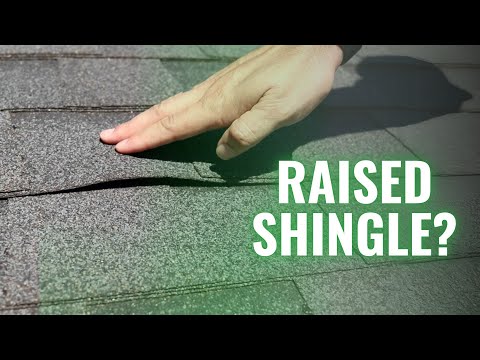
Each of these problems signals different underlying causes — from improper attic ventilation to manufacturing defects — and addressing the root cause alongside the visible damage is essential for lasting results.
Signs You Need Asphalt Shingle Roof Repair Now
Waiting too long to address roof damage is the single biggest mistake homeowners make. Water intrusion doesn’t announce itself politely; it spreads silently into decking, insulation, and interior walls. Watch for these unmistakable warning signs:
- Water stains on attic sheathing or interior ceilings — especially after rainfall.
- Sagging or soft spots in the roof deck when viewed from the attic interior.
- Shingle granules accumulating in gutters — a clear indicator of advanced aging.
- Moss or algae growth that retains moisture against the shingle surface.
- Increased energy bills due to compromised insulation from moisture damage.
- Visible daylight through the roof boards — an urgent red flag requiring immediate attention.
If you spot two or more of these signs simultaneously, scheduling a professional roof inspection should be your immediate priority. Early intervention on asphalt shingle roof repair prevents minor issues from cascading into full-scale structural failures.
DIY Inspection Checklist for Homeowners
Before calling a contractor, walk your roof (safely) or use binoculars from the ground. Check for cracked tabs, lifted edges, exposed nail heads, and any shingles that move when gently pressed. Document everything with photos and a written inventory — this information becomes invaluable when discussing repair quotes.
Step-by-Step Asphalt Shingle Roof Repair Guide
For homeowners comfortable working at height with basic tools, many asphalt shingle repairs are manageable as weekend projects. Here’s a detailed walkthrough:
Step 1: Gather Your Materials and Tools
- Replacement shingles (match the brand, color, and style exactly)
- Roofing cement or asphalt-based adhesive
- A roofing nail gun or hammer with galvanized roofing nails
- Pry bar and flat bar for removing damaged shingles
- Utility knife and chalk line
- Safety harness, rope, and sturdy footwear
Step 2: Remove Damaged Shingles
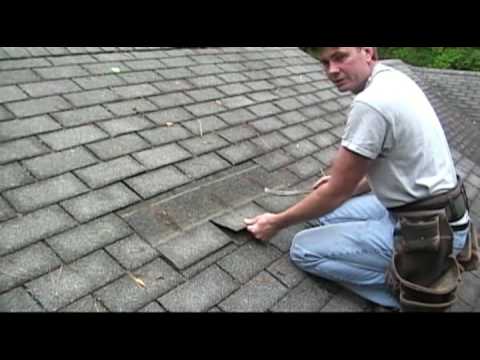
Use the pry bar to carefully lift surrounding shingles and extract the nails holding the damaged piece. Slide the compromised shingle out and inspect the underlying underlayment. If the underlayment is torn or punctured, replace it before installing the new shingle.
Step 3: Prepare and Install the Replacement Shingle
Slide the new shingle into position, ensuring it aligns perfectly with adjacent shingles. Nail it with four nails placed just above the cutout line, approximately one inch above the exposure line. Apply a dab of roofing cement under each shingle tab above the repaired area to seal it against wind uplift.
Step 4: Seal and Inspect

Press down firmly on the repaired section and surrounding shingles to activate the sealant. Check your work from the ground after a rain event to confirm the repair holds and no leaks persist.
Asphalt Shingle Roof Repair Cost: What to Expect
Understanding the financial scope of asphalt shingle roof repair helps you budget appropriately and avoid surprise expenses. Costs vary dramatically based on damage severity, roof accessibility, and whether you hire a professional or tackle the work yourself.
| Repair Type | Average Cost Range | Complexity Level |
| Single shingle replacement | $15 – $50 (materials only) | Low |
| Patching a small leak area | $150 – $400 | Low to Medium |
| Flashing repair or replacement | $200 – $600 | Medium |
| Partial roof section repair (10–20 squares) | $800 – $2,500 | High |
| Full roof replacement (severe damage) | $5,000 – $12,000+ | Very High |
Labor costs typically account for 60% of total repair expenses when hiring professionals. If your roof is under warranty, check whether the manufacturer covers repair costs — many asphalt shingle manufacturers offer prorated coverage for up to 30 years.
DIY Asphalt Shingle Repair vs. Hiring a Professional
Deciding between tackling repairs yourself and bringing in a licensed contractor depends on your skill level, the extent of damage, and your comfort working at heights. Consider this comparison:
| Factor | DIY Repair | Professional Repair |
| Cost | Materials only ($50–$200) | Labor + materials ($200–$2,500+) |
| Quality of Work | Variable — depends on skill | Guaranteed with warranty |
| Time Investment | 4–8 hours for minor repairs | 1–3 days including inspection |
| Safety Risk | High without proper equipment | Low — professionals carry insurance |
| Warranty Coverage | None | Typically 5–25 years on workmanship |
For any repair involving structural damage, widespread shingle failure, or leaks near roof penetrations, hiring a qualified roofing contractor is strongly recommended. Their expertise ensures code-compliant work and access to manufacturer-certified installation practices.
Expert Tips for Extending Your Asphalt Shingle Roof Lifespan
Preventive maintenance is the most cost-effective strategy for avoiding expensive asphalt shingle roof repair down the road. Implement these practices consistently:
- Clean gutters twice yearly — clogged gutters trap moisture against the roof edge, accelerating shingle deterioration.
- Trim overhanging tree branches — falling limbs cause immediate damage, and persistent rubbing wears away the protective granule layer.
- Ensure proper attic ventilation — heat and moisture buildup in the attic dramatically shortens shingle lifespan through premature curling and ice dam formation.
- Remove moss promptly — use a zinc or copper strip installed near the ridge, or apply a gentle moss-killing solution without pressure washing, which strips granules.
- Schedule professional inspections annually — ideally in spring after winter storms and in fall before the harsh season arrives.
- Address minor repairs immediately — a single missing shingle left unrepaired for weeks can lead to decking rot, insulation damage, and mold growth.
These proactive habits can extend the functional life of an asphalt shingle roof by 5–10 years beyond its expected rating, making every dollar spent on maintenance a direct return on investment.
When Asphalt Shingle Roof Repair Isn’t Enough
Sometimes the damage has progressed beyond what patchwork can solve. If you’re experiencing widespread granule loss across more than 30% of the roof surface, repeated leaks in multiple locations, or visible sagging of the roof deck, repair alone becomes a temporary bandage. In these situations, a full roof replacement using architectural or impact-resistant asphalt shingles offers superior long-term value. Modern architectural shingles weigh more, resist wind uplift up to 130 mph, and carry warranties extending 50 years — making them a compelling upgrade for aging homes.
Frequently Asked Questions About Asphalt Shingle Roof Repair
How long does an asphalt shingle roof repair typically last?
A well-executed asphalt shingle roof repair can last anywhere from 5 to 15 years depending on the type and extent of the damage, local weather conditions, and the quality of materials used. Minor shingle replacements and leak patching often hold for a decade or more, while repairs addressing underlying structural issues may have a shorter effective lifespan if the root cause — such as inadequate ventilation — isn’t also resolved.
Can you repair asphalt shingles instead of replacing the entire roof?
Yes, asphalt shingle roof repair is absolutely viable for localized damage. Individual cracked shingles, small areas of missing granules, and isolated leaks can almost always be repaired without replacing the entire roof. The key is catching the damage early before water intrusion compromises the roof deck, underlayment, or interior structure of the home.
What’s the best way to seal a leaking asphalt shingle roof temporarily?
For an emergency temporary seal, apply roofing cement or a roof-specific sealant directly over the leak area from inside the attic if accessible, or from the roof surface using a putty knife. Place a heavy-duty roofing tarp over the affected section as an additional barrier until permanent repairs can be scheduled. Keep in mind that temporary fixes are exactly that — temporary — and permanent professional repair should follow within 30 to 60 days.
How do I find a reliable asphalt shingle roof repair contractor near me?
Start by checking the contractor’s licensing and insurance status in your state, reading verified customer reviews on platforms like Google and the Better Business Bureau, and requesting at least three detailed written quotes. Look for contractors who are manufacturers-certified for the specific shingle brand on your roof, as this certification ensures they follow installation guidelines that preserve your warranty. Avoid contractors who solicit door-to-door after storms, demand large upfront payments, or cannot provide a physical business address.
Is asphalt shingle roof repair covered by homeowners insurance?
Most homeowners insurance policies cover asphalt shingle roof repair when the damage results from a sudden, accidental, and covered peril — such as a fallen tree, hail storm, wind uplift, or fire damage. Gradual deterioration from age, neglect, or poor maintenance is typically not covered. Document the damage thoroughly with photographs, file your claim promptly, and obtain a professional inspection report to support your insurance claim. Working with an independent public adjuster can also help maximize your settlement if the insurer pushes back on coverage.
Final Thoughts on Asphalt Shingle Roof Repair
Asphalt shingle roof repair isn’t glamorous work, but it’s foundational to protecting your home’s value, energy efficiency, and structural integrity. Whether you’re patching a single cracked shingle after a hailstorm or addressing decades of wear before a full replacement becomes necessary, the principles remain the same: act quickly, use quality materials, address root causes, and never underestimate the power of preventive maintenance. Your roof is your home’s first and most critical line of defense against the elements — treat it accordingly, and it will serve you faithfully for decades to come.