When you invest in your home or commercial space, few decisions carry as much long-term impact as choosing the right durable floor covering. Whether you are renovating a busy household, outfitting a high-traffic retail environment, or simply searching for surfaces that will stand the test of time, understanding what makes a flooring material truly resilient is essential. Durability in floor coverings goes far beyond scratch resistance — it encompasses moisture tolerance, dimensional stability, ease of maintenance, and the ability to retain aesthetic appeal over years of daily wear. In this comprehensive guide, we will walk you through the most resilient flooring options available today, break down the key factors that determine lasting performance, and give you practical recommendations you can apply immediately.
What Makes a Floor Covering Truly Durable?
Not all tough flooring is created equal. The durability of a floor covering depends on a combination of material properties, construction methods, and installation quality. Before diving into specific products, it helps to understand the measurable characteristics that define a long-lasting floor surface.
Material Hardness and Wear Resistance
Hardness is often the first thing people consider, but it is only one piece of the puzzle. Materials like engineered hardwood, porcelain tile, and Luxury Vinyl Plank (LVP) rank high on hardness scales, meaning they resist indentation and surface abrasion. Wear resistance refers specifically to how well a material handles friction from foot traffic, furniture movement, and mechanical equipment without showing visible degradation.
Moisture and Humidity Tolerance
A truly durable floor covering must handle moisture without warping, swelling, or fostering mold growth. This is where materials like Luxury Vinyl Tile (LVT) and porcelain stoneware significantly outperform natural options like solid hardwood or laminate with fiber cores. For basements, kitchens, and bathrooms, moisture resistance is arguably the most critical durability factor.

Dimensional Stability
Dimensional stability describes how well a flooring material maintains its original shape and size across temperature fluctuations and humidity changes. Materials with poor dimensional stability will cup, crown, or gap over time — dramatically shortening their useful lifespan.
Top Durable Floor Covering Materials Compared
Choosing the best resilient flooring means comparing real-world performance data, not just marketing claims. Below is a breakdown of the most dependable options on the market, along with their standout characteristics.
| Material | Lifespan | Water Resistance | Scratch Resistance | Best Use Case |
| Engineered Hardwood | 30–80 years | Moderate (needs sealing) | High (surface-dependent) | Living rooms, bedrooms |
| Porcelain Tile | 50+ years | Excellent | Very High | Kitchens, bathrooms, commercial |
| Luxury Vinyl Plank | 20–30 years | Excellent (waterproof core) | High (wear layer dependent) | High-traffic residential |
| Polished Concrete | 50+ years | Good (when sealed) | Very High | Garage, industrial, modern lofts |
| Sheet Vinyl | 15–25 years | Excellent | Moderate | Basements, commercial kitchens |
| Ceramic Tile | 30–50 years | Excellent (glazed) | High | Kitchens, bathrooms, entryways |
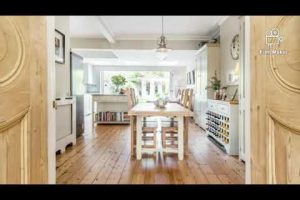
Each of these materials offers a distinct balance of strength, aesthetics, and cost. Porcelain tile and polished concrete lead in sheer longevity, while Luxury Vinyl Plank has rapidly emerged as the favorite for homeowners who want waterproof durability without the cold feel of stone or ceramic. Engineered hardwood bridges the gap between natural beauty and structural resilience, making it a premium choice for living spaces where appearance matters as much as performance.
How to Choose the Right Durable Floor Covering for Your Space
Selecting the most resilient floor covering is not a one-size-fits-all process. Your specific environment, usage patterns, and aesthetic preferences all play a role in determining the ideal material.
For High-Traffic Residential Areas
Hallways, kitchens, and living rooms endure the most foot traffic in any home. In these zones, prioritize flooring with a thick wear layer — the top protective coating that determines how long the surface stays pristine. Luxury Vinyl Plank with a 20-mil or thicker wear layer is an outstanding choice. Porcelain tile with a PEI rating of 4 or 5 is another exceptional option that handles heavy use without showing signs of wear.
For Moisture-Prone Environments
Bathrooms, laundry rooms, and below-grade spaces demand flooring that will not swell or delaminate when exposed to water. Waterproof-core LVT and glazed ceramic tile are the top performers here. Avoid solid hardwood and standard laminate in these areas, as even small amounts of standing water can cause irreversible damage over time.
For Commercial and Light-Commercial Settings
Retail spaces, offices, and restaurants require flooring that combines durability with ease of cleaning. Polished concrete, sheet vinyl, and commercial-grade porcelain tile are widely used in these environments. Look for materials with high abrasion ratings and chemical resistance if spills are a frequent concern.

Installation and Maintenance Tips for Long-Lasting Floors
Even the most durable floor covering will underperform if installed or maintained incorrectly. Follow these expert recommendations to maximize the lifespan of your investment.
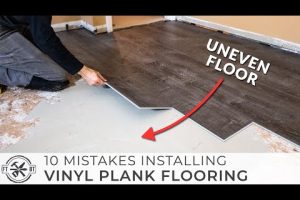
- Prepare the subfloor meticulously. Uneven, dirty, or damp subfloors are the leading cause of premature flooring failure. Use a level to check for dips and high spots, and address any moisture issues with a vapor barrier or appropriate primer before installation.
- Acclimate your materials. Most flooring products should be stored in the installation room for at least 48 hours to adjust to the ambient temperature and humidity. Skipping this step can result in expansion, buckling, or gapping after installation.
- Use manufacturer-recommended underlayment. The right underlayment provides cushioning, sound absorption, and an additional moisture barrier — all of which extend the life of your floor covering.
- Clean with pH-neutral products. Harsh chemicals and abrasive cleaners degrade protective coatings over time. A simple mixture of warm water and a pH-neutral floor cleaner keeps most resilient surfaces looking new for years.
- Place protective pads under furniture. Felt or rubber furniture pads prevent scratches and dents caused by heavy items being moved or shifted regularly.
- Reapply sealant or refinish on a schedule. Engineered hardwood and natural stone benefit from periodic refinishing or resealing, typically every 3–5 years depending on traffic levels.
Cost vs. Longevity: Is Durable Flooring Worth the Investment?
One of the most common questions homeowners ask is whether investing in a long-lasting floor covering is financially justified. The short answer is yes — but the reasoning goes deeper than simple replacement cost avoidance.
Consider this comparison: a budget carpet may cost $1–2 per square foot to install but will need replacement every 5–8 years in a high-traffic area. A premium Luxury Vinyl Plank installation might cost $4–7 per square foot but lasts 20–30 years with minimal maintenance. Over a 20-year period, the durable option often costs 40–60% less in total ownership costs, factoring in replacement labor, downtime, and material waste.
Beyond the financial math, durable flooring adds measurable value to your property. Homes with high-quality resilient floors consistently sell faster and at higher prices than those with worn or outdated surfaces. In the real estate market, buyers and appraisers increasingly recognize waterproof flooring and hard surface durability as premium features that reduce future maintenance headaches for the next owner.
Emerging Trends in Durable Floor Covering Technology
The flooring industry is evolving rapidly, and innovation is making resilient surfaces even more impressive. Here are a few trends worth watching:
- SPC (Stone Polymer Composite) cores: These rigid cores offer superior dimensional stability and are completely waterproof, making SPC planks one of the most durable LVP options available today.
- Nano-ceramic surface coatings: Some premium manufacturers now apply nano-ceramic treatments that create an ultra-thin, hydrophobic barrier on the floor surface, dramatically improving scratch and stain resistance.
- Recycled and sustainable materials: Eco-conscious consumers are driving demand for durable flooring made from recycled content, including reclaimed wood, recycled rubber, and bio-based composites that do not sacrifice longevity.
- Click-lock installation systems: Floating floor designs with advanced click-lock mechanisms allow for easier replacement of individual planks and reduce the risk of moisture infiltration at seams.
Conclusion
Choosing a durable floor covering is one of the smartest long-term investments you can make for any property. By understanding what makes flooring truly resilient — from material composition and wear layers to moisture tolerance and dimensional stability — you can confidently select a surface that will perform beautifully for decades. Whether you opt for the timeless strength of porcelain tile, the versatile waterproof performance of Luxury Vinyl Plank, or the natural elegance of engineered hardwood, the key is to match the material to your specific environment and maintenance commitment. Take your time, compare options, and prioritize quality installation. The right floor covering does not just protect your investment — it elevates the entire look and feel of your space for years to come.
Frequently Asked Questions
What is the most durable floor covering for a busy household with pets and children?
Luxury Vinyl Plank (LVP) with a thick wear layer and waterproof core is widely regarded as the most practical choice for busy households. It resists scratches from claws, handles spills effortlessly, and tolerates the impact of heavy foot traffic without showing significant wear. Porcelain tile is another excellent option if you prefer a harder surface, though it can be colder and less comfortable underfoot.
How long does a durable floor covering typically last before needing replacement?
The lifespan varies significantly by material. Engineered hardwood can last 30–80 years, porcelain tile and polished concrete often exceed 50 years, while Quality LVP typically lasts 20–30 years. Sheet vinyl generally lasts 15–25 years. Maintenance habits, installation quality, and traffic levels all influence these ranges.
Can durable floor covering be installed over existing floors?
Yes, many resilient options support direct installation over existing surfaces. LVP and sheet vinyl are commonly installed as floating floors over laminate, tile, or even well-prepared hardwood. However, always verify the manufacturer’s recommendations and ensure the existing subfloor is clean, level, and structurally sound before proceeding.
Is waterproof flooring the same as water-resistant flooring?
No, the distinction matters significantly. Water-resistant flooring can handle minor spills and humidity but will eventually swell or delaminate with prolonged exposure. Waterproof flooring, such as SPC-core LVP or glazed porcelain tile, is engineered to withstand standing water and sustained moisture without structural damage. For areas prone to flooding or high humidity, always choose fully waterproof options.
What maintenance routine keeps durable floor covering looking its best?
For most resilient surfaces, a simple routine works best: sweep or vacuum regularly to remove abrasive dirt, mop with a pH-neutral cleaner and damp (not soaking wet) mop, wipe spills immediately to prevent staining, and place protective mats at high-traffic entry points. Avoid steam mopping on LVP and engineered hardwood unless the manufacturer explicitly approves it.
Which durable floor covering option offers the best return on investment when selling a home?
Engineered hardwood and porcelain tile consistently deliver the highest ROI in real estate markets because they appeal to a broad range of buyers and signal a well-maintained property. Luxury Vinyl Plank is a strong runner-up, especially in markets where buyers increasingly value waterproof performance and low-maintenance living.