Finding better car insurance isn’t just about picking the cheapest policy on the market. It’s about aligning your coverage with your driving habits, financial situation, and risk profile so that you’re genuinely protected when things go wrong. With auto insurance premiums fluctuating year after year and insurers competing aggressively for customers, there has never been a better time to reassess your policy. Whether you’re a new driver navigating the jargon for the first time or a seasoned motorist looking to optimize your existing plan, this guide walks you through everything you need to know about securing a smarter, more cost-effective auto insurance strategy.
Understanding What Makes Car Insurance “Better”
When people talk about better car insurance, they usually mean one or more of the following: lower premiums, broader protection, faster claims payouts, or a combination of all three. But what qualifies as “better” is deeply personal. A high-net-worth driver in a metropolitan area needs a vastly different policy than a first-time car owner in a rural town. Better insurance starts with understanding your own needs and then shopping accordingly.
The insurance industry has evolved significantly, with telematics, usage-based plans, and digital-first providers reshaping how consumers compare and purchase policies. If you’ve been with the same carrier for years without reviewing your options, you may be leaving money on the table or paying for coverage you don’t actually need.
Key Factors That Determine Your Auto Insurance Rates

Insurers use a complex set of rating factors to determine how much you’ll pay. Understanding these can help you make informed decisions and potentially unlock better pricing tiers.
Credit-Based Insurance Scores
In most U.S. states, your credit history plays a significant role in your premium. Insurers argue that consumers with higher credit scores tend to file fewer claims, and actuarial data supports this correlation. While not all states allow credit-based scoring, if you live in a state where it’s permitted, improving your credit score can directly reduce your car insurance costs over time.
Driving History and Claims Frequency
Your driving record is arguably the most powerful factor. Traffic violations, at-fault accidents, and DUI convictions all flag you as a higher risk. Even minor infractions can stay on your record for three to five years, continuously inflating your rates. Filing too many claims—even small ones—can also trigger premium hikes. One strategy for better car insurance is to evaluate whether claiming on minor incidents is truly worth it in the long run.
Types of Car Insurance Coverage Explained

Not all policies are created equal. Here’s a breakdown of the core coverage types and why each matters:
Liability Coverage
Liability insurance pays for injuries and property damage you cause to others in an accident. Every state mandates minimum liability limits, but these minimums are often dangerously low. Choosing higher liability limits—typically 100/300/100—is one of the simplest ways to improve your overall protection and financial security.
Collision and Comprehensive Coverage
Collision covers damage to your vehicle from a crash, while comprehensive covers non-collision events like theft, vandalism, flooding, or hail. If your car is older and its market value is low, dropping these coverages might make financial sense. For newer or financed vehicles, keeping them active is almost always a requirement.
Uninsured and Underinsured Motorist Coverage
This coverage protects you when the other driver either has no insurance or insufficient coverage. Given the number of uninsured drivers on the road today, this is an often overlooked but critical component of a better insurance plan.
Additional and Endorsement Options
Many carriers offer add-ons like roadside assistance, gap insurance, rental car reimbursement, and custom parts coverage. While these increase your premium slightly, they can provide significant value in specific situations.
Comparing Leading Car Insurance Providers for Better Coverage
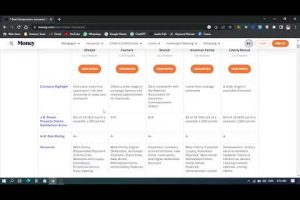
Shopping around is the single most effective step you can take. Below is a comparison of how some major providers stack up across key criteria that matter to consumers seeking better car insurance options.
| Provider | Average Annual Premium | Discounts Available | Claims Satisfaction | Digital Experience |
| Provider A | $1,450 | Safe driver, multi-policy, good student | 4.2 / 5 | Excellent app, easy claims filing |
| Provider B | $1,620 | Bundling, low mileage, defensive driving | 4.5 / 5 | Strong online portal, 24/7 support |
| Provider C | $1,310 | Pay-in-full, affinity membership, telematics | 3.9 / 5 | Decent website, limited mobile features |
| Provider D | $1,780 | New car, hybrid/electric, loyalty perks | 4.6 / 5 | Industry-leading digital tools |
Note: Premiums vary widely based on location, age, vehicle type, and driving record. Always request personalized quotes rather than relying solely on national averages. Use comparison tools and speak with local agents to find the best fit.
Practical Strategies to Lower Your Premiums Without Sacrificing Coverage
Getting better car insurance doesn’t always mean paying less—it sometimes means getting more value for the same price. Here are proven strategies:
- Increase your deductible. Raising your comprehensive or collision deductible from $500 to $1,000 can reduce your premium by 15 to 30 percent. Just make sure you can comfortably afford the out-of-pocket cost if a claim arises.
- Bundle your policies. Combining auto and homeowners insurance with the same carrier frequently unlocks multi-policy discounts of 10 to 25 percent.
- Ask about usage-based insurance. Programs that monitor driving behavior through a mobile app or telematics device can reward safe drivers with significant savings. Providers like Progressive Snapshot, State Farm Drive Safe & Save, and Allstate Drivewise are leading options.
- Maintain continuous coverage. Lapses in your policy can trigger surcharges and make you appear risky to underwriters. Even if you’re between vehicles, consider a non-owners policy to keep your record clean.
- Take a defensive driving course. Completing an accredited course can qualify you for discounts in many states and helps you become a safer driver overall.
- Review your policy annually. Life changes—getting married, moving, adding a teenage driver—should trigger a policy review. Coverage that made sense a year ago may no longer be optimal.
Common Mistakes That Keep People from Finding Better Car Insurance
Even the most diligent consumers can fall into habits that prevent them from getting the best possible deal. Here are the most common pitfalls:
- Auto-renewing without comparison. Loyalty rarely pays off in insurance. Insurers often raise rates on long-standing customers while offering steep discounts to new ones.
- Choosing the cheapest option. The lowest premium rarely equals the best value. Look at the full picture—coverage limits, deductible structure, customer service reputation, and claims efficiency.
- Ignoring endorsements and riders. Standard policies leave gaps. Umbrella policies, medical payments coverage, and roadside assistance can fill those gaps affordably.
- Underestimating the importance of the claims process. A cheap premium means little if the insurer drags its feet during a claim. Look up J.D. Power rankings and Consumer Reports satisfaction scores before committing.
How Telematics and Technology Are Changing the Game
One of the most exciting developments in the auto insurance space is the rise of telematics. These devices—often integrated into a smartphone app—track your driving behavior in real time, including speed, braking habits, mileage, and even the time of day you drive. For drivers who demonstrate safe habits, telematics programs can result in meaningful premium reductions within weeks of enrollment.
If you’re a low-mileage driver or someone who avoids peak travel hours, usage-based insurance could be a game-changer. Companies like Root Insurance and Lemonade have built their entire models around this concept, making them attractive alternatives to traditional carriers.
Conclusion
Securing better car insurance is an ongoing process, not a one-time event. By understanding the factors that drive your premiums, comparing providers strategically, and leveraging discounts and modern tools like telematics, you can build a policy that protects you financially while keeping costs manageable. Take the time to review your coverage at least once a year, ask your agent the right questions, and never be afraid to switch carriers if a better option exists. Your wallet and your peace of mind will thank you.
Frequently Asked Questions
1. What is the best way to find lower car insurance rates?
The most effective method is to compare quotes from at least three to five different insurers. Use online comparison tools, contact independent agents, and ask about every available discount—safe driver, multi-policy, bundling, loyalty, and telematics programs. Small adjustments like raising your deductible can also make a noticeable difference.
2. How often should I review my auto insurance policy?
Experts recommend reviewing your policy at least once a year, or whenever you experience a major life change such as moving, getting married, buying a new vehicle, or adding a teen driver. Annual reviews help ensure your coverage stays aligned with your current needs.
3. Does full coverage car insurance include everything I need?
Not necessarily. “Full coverage” typically refers to combining liability, collision, and comprehensive, but it often doesn’t include uninsured motorist coverage, roadside assistance, or gap insurance. Review your policy carefully to identify any gaps in protection.
4. Can I get better car insurance if I have a poor driving record?

Yes. Many insurers specialize in high-risk auto policies. While your premiums will likely be higher than average, shopping around and taking advantage of defensive driving course discounts can still help you find more affordable options than staying with your current carrier.
5. Is usage-based auto insurance worth it?
For safe, low-mileage drivers, usage-based programs can deliver significant savings—sometimes 20 to 40 percent off standard premiums. However, if you drive aggressively or clock high annual miles, the program may not benefit you financially.