When water starts pouring through your ceiling during a storm or after a sudden temperature drop, few home emergencies feel as urgent as a roof leak. Emergency roof leak repair is not just about patching a hole—it’s about protecting your home’s structural integrity, preventing costly secondary damage like mold growth, and restoring safety to your household. Whether you are a homeowner who has never dealt with a leaking roof before or someone who has been through this nightmare before, knowing the right steps to take in the first critical hours can make the difference between a minor fix and a full-scale restoration project. This guide covers everything from immediate temporary solutions to permanent repair strategies, helping you act fast, spend wisely, and prevent future emergencies.
What Is Emergency Roof Leak Repair and Why It Matters
Emergency roof leak repair refers to the urgent actions taken to stop active water intrusion through a damaged roof surface. Unlike scheduled maintenance or routine inspections, emergency repair is triggered by sudden and often unpredictable events—severe storms, wind-driven debris, fallen tree branches, or the sudden failure of aging roofing materials. The goal is not to make a permanent fix on the spot but to halt water entry, minimize interior damage, and create a stable condition until a professional can perform a permanent repair.

Understanding the Urgency of Roof Leaks
Water does not stop at the ceiling. When a roof leak goes unaddressed for even a few hours, moisture begins seeping into insulation, drywall, electrical wiring, and structural framing. Within 24 to 48 hours, mold spores that are always present in the air can begin colonizing damp surfaces. The longer you wait, the more expensive and complex the repair becomes. Emergency intervention is critical because it limits the exposure time and keeps repair costs as low as possible.
Common Causes of Emergency Roof Leaks
Understanding why your roof leaks in the first place helps you take the right immediate action and prevent recurrence. Here are the most frequent causes that trigger emergency roof leak situations:
- Storm and wind damage — High winds lift shingles, tear flashing, and drive rain directly into vulnerable spots.
- Missing or damaged shingles — Granule loss, cracking, and lifting create pathways for water to reach the underlayment.
- Clogged or damaged gutters — When water cannot drain properly, it backs up under shingles and finds its way inside.
- Failed flashing — The metal pieces around chimneys, vents, and valleys deteriorate or loosen over time.
- Ice dams in winter — Melting snow refreezes at the roof edge, forcing water underneath shingles.
- Aging roofing materials — Roofs older than 20 years are significantly more prone to sudden leaks.
- Impact damage — Falling branches or hail can puncture membranes and break tile surfaces instantly.
Weather-Related Damage
Severe weather is the leading trigger for emergency roof leak repair. Thunderstorms with hail, hurricanes with sustained winds, and ice storms all compromise roof surfaces in different ways. Even a moderate rain event can exploit a small vulnerability that has been developing for months. This is why roof inspection after every significant weather event is essential.
Structural and Material Failures
Not all leaks come from external forces. Internal structural failures—such as sagging roof decks, deteriorating decking plywood, or failed sealant around roof penetrations—can cause leaks during routine rainfall. These types of leaks are especially dangerous because they may not be visible from the exterior, making them harder to diagnose quickly.
Immediate Steps for Emergency Roof Leak Repair
When you discover a roof leak, your first priority is safety, followed by damage containment. Follow these steps in order:
- Stay safe indoors. Do not climb onto a wet or windy roof. Avoid standing under active dripping.
- Contain the water. Place buckets, pots, or trash bins directly under the leak. Lay down a tarp or towel beneath to protect flooring.
- Document the damage. Photograph water stains, dripping points, and any visible roof damage from a safe vantage point. This is critical for insurance claims.
- Stop the water source temporarily. If you can safely access the attic, locate the water trail and use a tarp or heavy-duty plastic sheeting to cover the affected area from above.
- Call an emergency roofing contractor. Professional roofers offer emergency services and can typically arrive within hours for urgent situations.
Pro tip: Never use a hammer or nail gun on a wet roof. Metal tools conduct electricity, and wet surfaces are extremely slippery. Always wait for dry conditions or let a professional handle the repair.
Temporary Roof Leak Fixes You Can Do Right Now
While waiting for emergency roof repair professionals to arrive, these temporary measures can reduce water intrusion significantly:

- Emergency tarping: Secure a heavy-duty tarp over the damaged area using sandbags or weighted lumber. Do not nail directly into the roof unless you are experienced and the conditions are safe.
- Roof sealant or roofing cement: For small punctures or cracks, a tube of roofing cement applied from the attic side (if accessible) can temporarily stop the flow.
- Plumber’s putty or roofing tape: These can serve as short-term sealants for minor gaps around vents or flashing edges.
- Redirect water flow: If the leak is near a valley or penetration, use a garden hose to gently redirect runoff away from the entry point.
Remember, these are strictly temporary measures. They buy you time but do not replace proper emergency roof leak repair performed by a qualified contractor.
Professional Emergency Roof Repair: What to Expect
When a professional emergency roofing team arrives, they follow a systematic approach designed to stop the leak quickly and stabilize the roof for permanent repair. The process typically involves:
- Rapid inspection and assessment — Identifying the entry point and measuring the extent of damage.
- Temporary stabilization — Installing emergency covers, applying temporary sealants, or securing loose materials.
- Water mitigation — Removing standing water from the attic or ceiling space to prevent further absorption.
- Documentation for insurance — Providing detailed reports, photographs, and repair estimates that simplify the claims process.
- Scheduling permanent repair — Outlining the scope of work needed for a full, lasting fix.
Emergency Roof Leak Repair Cost Breakdown
The cost of emergency roof leak repair varies significantly depending on the severity of the damage, the type of roofing material, and your geographic location. Use the table below as a general cost reference:
| Repair Type | Average Cost Range | Typical Response Time |
| Emergency tarping | $150 – $400 | Same day |
| Shingle replacement (small area) | $300 – $800 | 1–3 days |
| Flashing repair or replacement | $400 – $1,200 | 1–3 days |
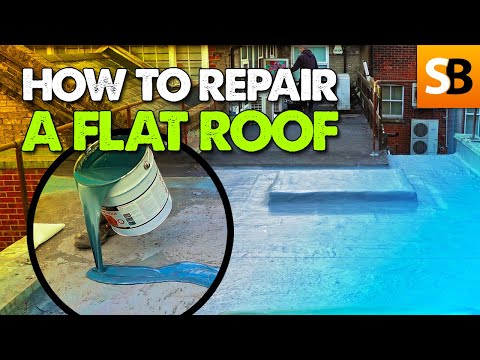
| Patching membrane leaks (flat roof) | $200 – $600 | Same day |
| Partial roof replacement | $1,500 – $5,000 | 3–7 days |
| Full emergency water damage mitigation | $1,000 – $4,000 | 24–48 hours |
These figures are averages and will vary based on labor rates in your area, the complexity of the repair, and whether additional damage—such as water-damaged decking or insulation—needs to be addressed. Most homeowners’ insurance policies cover emergency roof leak repair when the cause is a sudden, covered event like storm damage.
How to Choose the Right Emergency Roofing Contractor
Not every roofing company offers emergency services, and not all of them are equally reliable. Here are key factors to consider when selecting an emergency roof leak repair provider:
- 24/7 availability: Leaks do not happen during business hours. Choose a contractor who answers calls and dispatches crews around the clock.
- Licensing and insurance: Verify that the company holds a valid roofing license and carries both liability and workers’ compensation insurance.
- Local reputation: Check online reviews, ask for references, and confirm the company has a physical address in your area.
- Insurance claim assistance: A reputable contractor will help you navigate the claims process and provide detailed documentation.
- Warranty on emergency repairs: Even temporary fixes should come with a warranty that covers re-repair if the fix fails prematurely.
- Transparent pricing: Avoid companies that demand full payment upfront or provide vague estimates without an on-site inspection.
Permanent Roof Leak Repair Solutions
Once the immediate crisis is under control, the focus shifts to permanent repairs that prevent future leaks. The solution depends entirely on the root cause of the leak and the condition of your roof.

- Shingle replacement: Individual shingles can be replaced if the underlying decking is intact.
- Full roof replacement: If your roof is old, extensively damaged, or has widespread deterioration, a full replacement may be the most cost-effective long-term solution.
- Flashing installation: New step flashing, counter flashing, or valley flashing can permanently seal vulnerable intersections.
- Gutter system upgrade: Improving drainage with larger gutters, additional downspouts, or gutter guards reduces the risk of water backup.
- Waterproof underlayment: Installing synthetic underlayment or ice-and-water shield adds an extra layer of protection against leaks.
Investing in permanent solutions is always more cost-effective than repeatedly paying for emergency fixes. Work with your contractor to develop a long-term roof maintenance plan that includes biannual inspections, gutter cleaning, and prompt attention to minor issues before they become emergencies.
Conclusion
Emergency roof leak repair is a time-sensitive situation that demands quick thinking, calm decision-making, and professional expertise. By understanding the common causes of roof leaks, taking immediate containment steps, and partnering with a reliable emergency roofing contractor, you can protect your home from extensive water damage and avoid spiraling repair costs. The key takeaway is simple: act fast, prioritize safety, and never let a small leak become a big disaster. Your roof is your home’s first line of defense against the elements—treat it with the urgency and care it deserves.
Frequently Asked Questions
How long can I wait to repair a roof leak before serious damage occurs?
Even a small roof leak can cause significant damage within 24 to 48 hours. Water infiltrates insulation, promotes mold growth, and can compromise electrical systems. It is best to address any roof leak immediately, no matter how minor it appears. Emergency roof leak repair should be scheduled as soon as the leak is discovered.
Can I repair a roof leak myself during an emergency?
While temporary measures like tarping or applying sealant can be done by a handy homeowner, permanent emergency roof leak repair should always be left to licensed professionals. Working on a wet or steep roof poses serious safety risks, and improper repairs can worsen the damage or void insurance claims.
What is the difference between temporary and permanent emergency roof leak repair?
Temporary repair focuses on stopping active water intrusion using tarping, sealants, or spot patching. Permanent repair addresses the root cause by replacing damaged shingles, installing new flashing, or fixing structural issues. Temporary fixes are essential for immediate protection but should always be followed by a permanent solution.
Does homeowners insurance cover emergency roof leak repair costs?
Most homeowners insurance policies cover emergency roof leak repair when the cause is a sudden, covered peril such as storm damage, wind, or falling debris. Gradual wear and tear or lack of maintenance typically is not covered. Always contact your insurance provider as soon as the damage occurs and document everything thoroughly.
How do I find an affordable emergency roofing contractor near me?
Start by searching for licensed roofing companies in your area that advertise emergency services. Compare at least three estimates, verify licensing and insurance, and ask about their response time. Avoid contractors who demand large upfront deposits or who cannot provide a detailed written estimate after an on-site inspection.