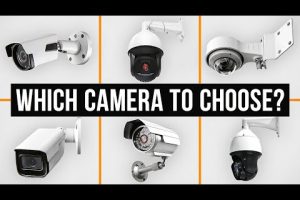
Choosing the best home alarm system is one of the most impactful decisions a homeowner can make when protecting their property, their family, and their peace of mind. With dozens of brands, technologies, and monitoring options flooding the market, the process of selecting the right security setup can feel overwhelming. Some systems are designed for renters who need plug-and-play simplicity, while others cater to homeowners who want enterprise-grade protection with professional monitoring. This comprehensive guide breaks down everything you need to know — from core features and sensor types to brand comparisons, installation tips, and expert recommendations — so you can make a confident, informed decision tailored to your home and budget. Whether you are looking for a budget-friendly DIY option or a fully managed smart security ecosystem, this article covers the landscape of home alarm systems in depth.
What Makes a Home Alarm System the “Best”?
There is no single “best” home alarm system because every household has unique security needs, property layouts, and budget constraints. However, the most highly rated alarm systems share several defining characteristics that set them apart from mediocre alternatives. First, they offer reliable intrusion detection through a combination of door/window sensors, motion detectors, glass-break sensors, and environmental monitors like smoke and carbon monoxide detectors. Second, the best systems provide flexible communication pathways — cellular, Wi-Fi, and sometimes landline backup — so your alarm remains connected even during a power outage or if a burglar attempts to cut phone lines. Third, they integrate seamlessly with smart home ecosystems, allowing you to arm and disarm your system remotely through a mobile app, voice assistant, or automation routines. Finally, professional-grade systems offer 24/7 monitoring with rapid emergency response, while self-monitored alternatives give you full control without recurring fees. The ideal choice balances these factors based on your lifestyle and security priorities.
Top Features That Separate the Best from the Rest
Wireless Connectivity and Smart Home Integration
Modern home alarm systems are almost entirely wireless, which means no drilling holes or running cables through walls. Z-Wave, Zigbee, and Wi-Fi protocols allow sensors, control panels, cameras, and smart locks to communicate effortlessly. The strongest systems integrate with platforms like Amazon Alexa, Google Home, Apple HomeKit, and Samsung SmartThings, enabling you to create automations such as arming your alarm automatically when you leave the house or turning on lights when motion is detected after dark.
Professional Monitoring vs. Self-Monitoring
Professional monitoring involves a central station that receives your alarm alerts and dispatches emergency services on your behalf. This typically costs between $15 and $50 per month but provides an invaluable layer of protection, especially when you are asleep or away from home. Self-monitoring sends push notifications directly to your smartphone, meaning you are responsible for contacting authorities. Systems like SimpliSafe and Ring Alarm offer both modes, giving you the flexibility to upgrade to professional monitoring at any time.
Sensor Technology and Detection Methods
The effectiveness of any home alarm depends on its sensor quality. Modern systems use a combination of technologies including passive infrared (PIR) motion sensors that detect body heat, reed switches for doors and windows, photoelectric beam sensors for larger openings, and advanced glass-break detectors that recognize the specific frequency of shattering glass. High-end models also incorporate environmental sensors for flood detection, freeze alerts, and indoor air quality monitoring.
Best Home Alarm Systems Ranked for 2024
SimpliSafe – Best Overall Value
SimpliSafe consistently ranks at the top of best home alarm system lists because of its combination of affordable hardware, no long-term contracts, and excellent professional monitoring at a fraction of the cost of traditional providers. The system supports a wide range of add-on sensors, HD security cameras, and smart home integrations. Its compact base station is easy to set up in under 30 minutes, making it ideal for beginners and renters. Monitoring starts at just $14.99 per month, and there is no equipment purchase required if you opt for the monthly subscription plan.
Ring Alarm – Best for Smart Home Users

Ring Alarm leverages the massive Ring ecosystem of security cameras, video doorbells, and smart lights to create a cohesive home security experience. The system is highly affordable with professional monitoring starting at $10 per month, and it works beautifully with Alexa routines. Its standout feature is the deep integration with Ring’s video ecosystem, allowing you to see live camera feeds whenever an alarm triggers. However, the self-monitoring experience is slightly less robust than competing platforms.
ADT – Best Professional-Managed Option
ADT has been a household name in home security for decades and remains one of the most trusted names for professionally monitored alarm systems. Their plans include cellular backup, fire and flood monitoring, and professional installation performed by certified technicians. ADT offers both wireless and fully custom-installed setups, making it suitable for larger homes with complex security needs. The trade-off is higher monthly costs, typically starting around $28 per month, and contracts that can extend up to 36 months.
Frontpoint – Best for DIY Installation with Premium Support
Frontpoint combines the ease of DIY installation with the reliability of professional monitoring, making it a compelling choice for homeowners who want hands-on control without sacrificing professional-grade support. Their equipment is cellular-based, meaning it stays connected even during internet outages. Plans start at around $34.99 per month and include cellular backup, smart home automation, and optional video surveillance. Frontpoint also offers a 30-day money-back guarantee, giving you ample time to test the system risk-free.
Comparison Table: Top Home Alarm Systems at a Glance

| System | Starting Price (Hardware) | Monthly Monitoring | Contract | Self-Monitoring | Professional Monitoring |
| SimpliSafe | $0–$300 | $14.99/mo | None | Yes | Yes |
| Ring Alarm | $0–$400 | $10.00/mo | None | Yes | Yes |
| ADT | $0–$500+ | $28.99/mo | Up to 36 months | Limited | Yes |
| Frontpoint | $0–$350 | $34.99/mo | None | Yes | Yes |
| Vivint | $0–$600 | $39.99/mo | 60 months | Limited | Yes |

How to Choose the Right Home Alarm System for Your Home
Matching Your System to Your Home Type
The size and layout of your home play a significant role in determining the right system. A small apartment or condo may only need a basic package with a control panel, a motion sensor, a door sensor, and a key fob. Larger homes with multiple entry points, basements, and outbuildings benefit from expanded sensor kits, outdoor motion detectors, and security cameras placed at strategic locations like driveways, garages, and rear entrances. For renters, wireless systems with peel-and-stick mounting hardware are essential because they require no permanent alterations to the property.
Budget Considerations and Hidden Costs
When evaluating home alarm costs, it is important to look beyond the upfront hardware price. Some budget systems charge activation fees, have expensive equipment replacement policies, or require annual contracts that lock you in. The best approach is to calculate the total cost of ownership over a two- or three-year period, factoring in equipment costs, monthly monitoring fees, and any add-on expenses such as cloud storage for video footage or professional installation charges. Systems like SimpliSafe and Ring Alarm offer transparent pricing with no hidden fees, which is a major advantage for cost-conscious homeowners.
Expert Tips for Maximizing Your Home Alarm System
- Place motion sensors strategically. Install PIR sensors in hallways and common areas where intruders are most likely to travel, but avoid placing them near heat sources like vents or direct sunlight, which can cause false alarms.
- Use smart lighting as a deterrent. Pair your alarm system with smart bulbs and outdoor floodlights that activate when motion is detected. Studies show that visible security lighting significantly reduces the likelihood of a break-in.
- Keep your firmware updated. Regularly check for software updates on your control panel, sensors, and cameras to patch vulnerabilities and ensure optimal performance.
- Create a security routine. Use automation to arm your alarm system automatically when you leave the house or at a set bedtime, so you never have to worry about forgetting to activate your protection.
- Add a yard sign and window decals. Even the most sophisticated alarm system is more effective as a visible deterrent. Displaying professional-looking signage signals to potential intruders that your home is protected.
Frequently Asked Questions
What is the easiest home alarm system to install without professional help?
SimpliSafe and Ring Alarm are widely regarded as the easiest home alarm systems for DIY installation. Both come with wireless sensors that attach using adhesive mounting pads or simple screws, and their base stations connect to your Wi-Fi network within minutes. Most users report having their entire system operational in under 30 minutes with no tools required beyond a screwdriver. These systems are particularly well-suited for renters, apartment dwellers, and anyone who prefers to avoid the cost and hassle of professional installation.
Can a home alarm system work without a monthly monitoring fee?
Yes, many modern home alarm systems offer self-monitoring at no monthly cost. Systems like SimpliSafe and Ring Alarm allow you to receive push notifications on your smartphone when an alarm is triggered and let you view live camera feeds through their respective apps. However, self-monitoring means you are responsible for contacting emergency services yourself, which introduces a delay that professional monitoring eliminates. If you choose to go without a monitoring plan, consider supplementing your system with loud sirens and smart home automations that increase the visibility and urgency of an alert.
Which home alarm system is the most reliable during a power outage?
The most reliable home alarm systems during power outages are those equipped with cellular backup and built-in battery reserves. SimpliSafe, Frontpoint, and ADT all use cellular communication as a primary or secondary connection method, meaning your system stays online even if your internet router goes down or a power outage disables your Wi-Fi network. SimpliSafe’s base station includes a rechargeable battery backup that provides several hours of continued operation, while ADT’s professional installations typically include battery backups and generator-ready configurations for extended outages.
Is it worth paying for professional monitoring on a home alarm system?
For most homeowners, professional monitoring is absolutely worth the investment. When your alarm triggers, a monitored system immediately alerts a 24/7 central station that can verify the emergency and dispatch police, fire, or medical services on your behalf — often within minutes. This rapid response can be the difference between a minor incident and a catastrophic loss. If you travel frequently, own valuable property or possessions, or live in an area with higher crime rates, professional monitoring provides an essential safety net that self-monitoring simply cannot replicate. For budget-conscious users, many systems allow you to start with self-monitoring and upgrade to professional monitoring as your needs evolve.
What home alarm system works best for smart home automation?
Ring Alarm and SimpliSafe lead the market for smart home integration, but each takes a different approach. Ring Alarm integrates deeply with Amazon Alexa and the broader Ring ecosystem, allowing you to create routines that trigger camera recordings, lock smart locks, and adjust lighting when your alarm is armed or disarmed. SimpliSafe, on the other hand, supports both Alexa and Google Assistant and offers a more open platform that works well with third-party devices from brands like Philips Hue, August, and Yale. Vivint Smart Home provides the most comprehensive automation suite, with a dedicated Smart Hub and extensive compatibility with Z-Wave, Zigbee, and proprietary devices, making it the strongest choice for users who want a fully integrated smart home and security experience.
Final Thoughts on Choosing the Best Home Alarm System
The best home alarm system is the one that fits your specific security needs, lifestyle, and budget without unnecessary complexity or hidden costs. Whether you prioritize affordability, smart home integration, professional monitoring, or ease of DIY installation, the systems reviewed in this guide represent the strongest options available in today’s market. Take the time to assess your property, identify your most critical vulnerabilities, and choose a system that grows with your needs. Investing in a quality home alarm is not just about protecting belongings — it is about ensuring the safety and well-being of everyone inside your home around the clock.