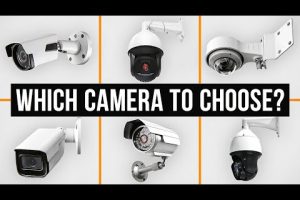
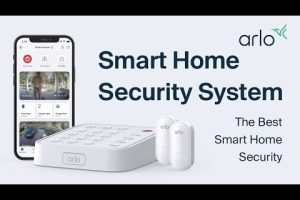
When it comes to protecting your home, installing a best DIY home security system has never been more accessible or more effective. Homeowners today have the power to design, install, and manage a complete security setup without hiring a single contractor or paying exorbitant monthly monitoring fees. Whether you live in a suburban house, a downtown apartment, or a rural property, a self-installed home security solution gives you full control over what you protect, how you monitor it, and how much you spend. In this guide, we break down the top options, essential components, setup strategies for every skill level, and expert tips that help you build a reliable home security system tailored exactly to your needs.
What Makes a DIY Home Security System Worth Your Investment
A self-installed security setup offers several advantages over traditional professionally monitored systems. First, you eliminate expensive installation fees that can run into hundreds of dollars. Second, you gain complete flexibility — you can expand, relocate, or reconfigure your devices whenever your needs change. Third, modern DIY home security kits integrate seamlessly with smartphones, smart speakers, and other connected devices, giving you real-time alerts and remote access from anywhere in the world. The best part? Many of these systems work without a subscription, meaning you keep your monthly costs near zero while still enjoying professional-grade protection.
Top DIY Home Security Systems Compared
Choosing the right platform is the foundation of any successful home security setup. Below is a comparison table of the most popular self-installed systems available on the market, highlighting key features, pricing, and ideal use cases.
| System | Starting Price | Camera Quality | No Subscription? | Best For |
| Ring Alarm Pro | $199 | 1080p HD | Partial | Smart home integration |
| SimpliSafe | $229 | 1080p HD | Yes | Budget-conscious homeowners |
| Arlo Ultra | $399 | 4K Ultra HD | Optional | Premium video quality |
| Wyze Cam + Base Station | $59 | 1080p Full HD | Yes | Ultra-affordable starter kits |
| Google Nest Secure | $349 | 1080p HD | Optional | Google ecosystem users |
| Eufy Security | $149 | 2K & 4K options | Yes | Local storage enthusiasts |
Each of these platforms serves a different niche. Ring and Google Nest shine for users already invested in their respective smart home ecosystems, while SimpliSafe and Wyze deliver exceptional value for those who want straightforward protection without recurring costs. Arlo and Eufy cater to users who prioritize video resolution and local storage options over cloud dependency.
Ring Alarm Pro: Best for Smart Home Integration
Ring Alarm Pro combines a comprehensive alarm base station with built-in Wi-Fi mesh routing, meaning your security system doubles as a network hub. The setup process takes less than 30 minutes, and the Ring app provides intuitive control over sensors, cameras, and emergency response features. While optional Ring Protect subscriptions add cloud video storage, the core security functions work independently.
SimpliSafe: Best Budget-Friendly Option

SimpliSafe remains a go-to choice for homeowners who want a no-frills, reliable security setup. The system is entirely contract-free, works without a subscription, and offers a generous hardware lineup including entry sensors, motion detectors, cameras, and a professional-grade siren. Installation is straightforward, and the system scales easily as your security needs grow.
Arlo Ultra: Best for Premium Video Surveillance
If crystal-clear 4K video and advanced color night vision are your priorities, the Arlo Ultra system delivers standout performance. These wireless cameras feature pan-and-tilt capabilities, integrated spotlights, and two-way audio. The system uses a magnetic-mount design that simplifies camera placement, and the Arlo app offers AI-powered person detection and package alerts.
Essential Components of a DIY Home Security Setup
Building a complete home security system requires more than just a camera or a control panel. Here are the core components every setup should include:
- Smart Security Hub or Control Panel — The brain of your system that connects all devices and processes alerts.
- Wireless Security Cameras — Indoor and outdoor cameras that provide real-time video feeds and recorded footage.
- Door and Window Sensors — Magnetic sensors that trigger alarms when entry points are opened unexpectedly.
- Motion Detectors — Passive infrared sensors that detect movement within defined zones inside your home.
- Smart Doorbell Camera — A video doorbell that captures visitors, delivers two-way communication, and deters porch pirates.
- Keypad or Touchscreen Panel — A physical interface for arming and disarming your system without relying solely on your phone.
- Siren or Alert Device — A loud alarm that sounds when the system is triggered, discouraging intruders immediately.
- Environmental Sensors — Smoke, carbon monoxide, and water leak detectors that extend protection beyond burglary threats.
Beginner, Intermediate, and Advanced Setup Strategies
Beginner Level: Start with the Basics
If you are new to home security, start with a simple kit that includes a hub, a couple of door sensors, one motion detector, and a single indoor camera. The SimpliSafe Starter Kit or a Wyze Security Kit provides everything you need at an affordable price point. Focus on securing entry points — front door, back door, and ground-floor windows — before expanding to other areas of the home.
Intermediate Level: Layer Your Defense
Once you understand how your base system operates, add outdoor cameras, a smart doorbell, and additional motion sensors to cover blind spots. Consider integrating your security devices with a smart speaker like Amazon Echo or Google Nest Hub so you can control everything with voice commands. Set up automation routines, such as arming all sensors automatically when you leave home or triggering lights when motion is detected at night.
Advanced Level: Build a Fully Integrated Smart Security Ecosystem
For tech-savvy homeowners, the advanced setup involves linking your security system with broader home automation platforms. Use IFTTT or Zapier to create custom triggers — for example, unlocking your smart lock when the system disarms, or sending a push notification with a camera snapshot whenever a sensor triggers while you are away. Incorporate a UPS backup battery like the Ring Alarm Pro’s built-in battery to ensure your system stays online during power outages, and explore local storage options with microSD cards or NAS devices to minimize cloud dependency.
Expert Tips for Maximizing Your Home Security
- Place cameras at strategic heights — Mount outdoor cameras at least eight feet high to prevent tampering while maintaining a clear field of view over driveways and entryways.
- Use encrypted Wi-Fi — Always run your security devices on a WPA3-encrypted network and create a separate guest SSID for IoT devices to isolate them from your primary network.
- Test your system monthly — Trigger each sensor and camera periodically to verify battery levels, connectivity, and alert delivery.
- Leverage geofencing — Many apps support location-based automation that arms or disarms your system automatically based on your phone’s GPS position.
- Add visible deterrents — Even a fake security camera or a visible alarm sign can reduce the likelihood of a break-in by creating the perception of surveillance.
- Keep firmware updated — Regularly update your devices’ firmware to patch security vulnerabilities and improve performance.
Frequently Asked Questions
What is the easiest DIY home security system to install?
SimpliSafe and Wyze are widely regarded as the easiest systems to set up. Both require no wiring, no tools, and no professional assistance. Most kits can be fully operational within 15 to 20 minutes of unboxing, guided by clear in-app instructions and step-by-step setup wizards.

Can I build a home security system without a monthly subscription?
Absolutely. Systems like SimpliSafe and Eufy operate without mandatory subscriptions, storing recorded footage on local SD cards or built-in base station storage. While some cloud features may require a paid plan, the core alarm and sensor functions remain completely free to use indefinitely.
How much does a complete DIY home security setup cost?
A solid beginner setup costs between $100 and $300 for the base kit, with additional sensors and cameras ranging from $20 to $150 each. A comprehensive whole-home system with multiple cameras, sensors, and a smart doorbell typically falls between $400 and $800, depending on the brands and features you choose.
Are wireless security cameras reliable for outdoor use?
Modern wireless security cameras are highly reliable for outdoor use, provided you select models with an IP65 or IP67 weatherproof rating. Brands like Arlo, Ring, and Eufy produce outdoor cameras rated for extreme temperatures, rain, and snow. Ensure your Wi-Fi signal reaches the camera locations, or consider adding a mesh Wi-Fi extender to maintain a stable connection.
Do DIY home security systems work without Wi-Fi?
Most modern DIY systems rely on Wi-Fi for remote access, live streaming, and cloud notifications. However, some systems like SimpliSafe continue to trigger local alarms and sensor notifications even during an internet outage. For full offline functionality, consider systems with cellular backup or those that store data locally on the hub.

Final Thoughts
Building the best DIY home security system comes down to understanding your specific needs, choosing the right platform, and thoughtfully placing your devices to maximize coverage. Whether you start with a single kit or construct a full-featured smart security ecosystem, the result is a safer home, greater peace of mind, and the satisfaction of knowing you built it yourself. Start small, test thoroughly, and expand gradually — your home and your family deserve that layer of protection, and a well-designed DIY setup delivers exactly that.