


Home insurance is one of the most important financial protections a homeowner can invest in, yet understanding the average cost of home insurance can feel overwhelming. Whether you are buying your first property, refinancing your current mortgage, or simply shopping for a better policy, knowing what drives premiums and what you can expect to pay is essential. In this comprehensive guide, we break down everything you need to know about home insurance pricing in 2024, from the national averages to the specific factors that push costs higher or lower.
What Is the Average Cost of Home Insurance?
The national average home insurance cost in the United States currently sits around $2,000 to $2,500 per year for a standard homeowners policy. However, this figure varies significantly depending on the state, coverage level, dwelling value, and individual risk profile. Most homeowners pay between $100 and $300 per month, with the annual premium typically billed either monthly, semi-annually, or annually. According to the Insurance Information Institute and various industry reports, the median household pays approximately $1,400 to $2,200 annually, making it a non-negotiable line item in any household budget.
Understanding these numbers is the first step toward making informed decisions. A policy that costs $150 per month might seem reasonable until you realize it includes only the bare minimum dwelling coverage. Conversely, a slightly higher premium might offer significantly better protection against catastrophic events like wildfires, hurricanes, or tornadoes. The key is finding the right balance between affordability and adequate coverage.
Factors That Influence Home Insurance Costs
Insurance carriers use a complex algorithm of rating factors to determine your premium. No two households will pay the exact same rate, even if they live on the same street. Here are the most critical factors that shape your insurance premium.
Location and Regional Risk
Your zip code is arguably the single most influential factor in your home insurance rate. Insurers assess the likelihood of natural disasters, crime rates, proximity to fire stations, and local building codes when calculating risk. For example, homeowners in coastal Florida or hurricane-prone Gulf Coast regions routinely pay significantly more than those in the Midwest or Pacific Northwest. Similarly, areas with high burglary rates or wildfire exposure will see elevated premiums.
Home Value and Replacement Cost
The replacement cost of your home — not its market resale price — is the primary basis for dwelling coverage. A larger home with premium finishes, custom cabinetry, and high-end roofing materials will cost more to rebuild, which directly increases your premium. Insurers also consider the age of your home, the construction materials used, and whether it has modern safety features like updated electrical wiring or a fire-resistant roof.
Claims History and Credit-Based Insurance Score
A history of frequent insurance claims signals higher risk to carriers, often resulting in surcharges or even policy non-renewal. Similarly, many insurers use a credit-based insurance score as a rating factor, meaning a higher credit score can translate to lower premiums. While this practice is controversial and not permitted in all states, it remains a significant pricing variable in the majority of the country.
Average Home Insurance Costs by State and Coverage Level
The table below provides a comparison of estimated annual premiums across several states, representing different risk environments and coverage tiers. These figures reflect a standard HO-3 policy with $250,000 in dwelling coverage and $100,000 in liability coverage.
| State | Low Coverage Premium (Annual) | Standard Coverage Premium (Annual) | High Coverage Premium (Annual) |
| Florida | $3,800 | $4,600 | $5,900 |
| Texas | $2,100 | $2,700 | $3,400 |
| California | $1,500 | $2,000 | $2,600 |
| Ohio | $900 | $1,200 | $1,500 |
| Colorado | $1,100 | $1,400 | $1,800 |
| New York | $1,300 | $1,700 | $2,100 |
As you can see from the table above, state-by-state variation is dramatic. Florida homeowners face some of the highest premiums in the nation due to hurricane exposure, while Ohio residents benefit from relatively low natural disaster risk and moderate property values. These numbers should serve as a rough benchmark, but your actual quote will depend on your specific circumstances.
Types of Homeowners Insurance Policies and Their Costs
Not all home insurance policies are created equal. The type of policy you select directly impacts both your premium and the scope of protection you receive. Here is a breakdown of the most common policy forms and how their costs compare.
HO-3 Special Form
The HO-3 is the most widely purchased homeowners policy in the United States. It provides open-peril coverage for your dwelling and named-peril coverage for personal property. The average cost of HO-3 insurance aligns closely with the national averages discussed earlier, typically ranging from $1,200 to $2,500 per year. This policy strikes a practical balance between coverage breadth and affordability, making it the go-to choice for most families.
HO-5 Comprehensive Form
HO-5 policies offer broader protection, covering both your dwelling and personal belongings on an open-peril basis. Because of this enhanced coverage, HO-5 premiums tend to run 10% to 20% higher than HO-3 policies. However, for homeowners with valuable possessions — such as expensive electronics, jewelry, or collectibles — the additional cost is often justified by the superior claims experience and fewer coverage exclusions.
HO-B Broad Form
The HO-6 policy is designed for condominium and cooperative unit owners. Since the building’s structure is typically covered by the association’s master policy, HO-6 policies focus on interior coverage, personal property, and liability. Premiums for HO-6 insurance are generally lower than standalone home policies, often ranging from $300 to $1,200 annually depending on location and coverage limits.
How to Lower Your Home Insurance Premiums
Reducing your homeowners insurance cost does not mean sacrificing protection. There are proven strategies that can shave meaningful dollars off your annual premium without leaving you exposed.
- Bundle your policies. Purchasing home and auto insurance from the same carrier often unlocks multi-policy discounts of 10% to 25%.
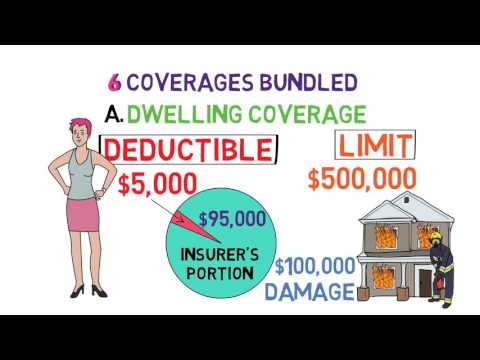
- Increase your deductible. Raising your deductible from $500 to $1,000 or $2,500 can lower premiums by 15% to 30%, though you will need to cover more out of pocket in the event of a claim.
- Install safety and security upgrades. Burglar alarms, smoke detectors, deadbolt locks, and water leak sensors demonstrate proactive risk reduction that insurers reward with discounts.
- Maintain a strong credit profile. In states where it is permitted, improving your credit score over time can lead to progressively lower premiums.
- Shop and compare annually. Insurance rates vary widely between carriers for the same level of coverage. Using online comparison tools or working with an independent broker ensures you are not overpaying.
- Ask about loyalty and claims-free discounts. Many insurers offer reduced rates for policyholders who go multiple years without filing a claim or who maintain long-term relationships with the company.
Implementing even two or three of these strategies can result in substantial annual savings. The key is to be proactive and revisit your policy at least once per year or whenever you make a significant home improvement, such as adding a new roof or upgrading your plumbing system.
Frequently Asked Questions
What is the average cost of home insurance for a $300,000 home?
For a home valued at $300,000, the average homeowners insurance cost typically falls between $1,800 and $3,000 per year. The exact figure depends heavily on your location, claims history, and the specific coverage options you select, including dwelling coverage limits, personal property protection, and liability coverage amounts.
Why is home insurance so expensive in Florida and Texas?
Florida and Texas consistently rank among the most expensive states for home insurance due to their exposure to hurricanes, severe thunderstorms, hail, and in Texas’s case, hail storms and occasional tornado activity. Insurers factor these elevated natural disaster risks into their pricing models, resulting in higher premiums compared to lower-risk regions.
Does home insurance cover flood and earthquake damage?
Standard homeowners insurance policies do not cover flood or earthquake damage. These perils require separate policies — a flood insurance policy through the National Flood Insurance Program or a private flood carrier, and a separate earthquake insurance policy. Many homeowners are surprised to learn this, so it is important to review your policy declarations page carefully.
How much does home insurance cost per month on average?
The monthly average cost of home insurance ranges from approximately $100 to $250 per month for most American homeowners. The national annual average of around $2,000 translates to roughly $167 per month, though high-risk states or homes with premium features can push monthly costs well above this range.

Paying off your mortgage can lead to a modest reduction in your premium, as some insurers offer a small discount for homeowners who own their property outright. Additionally, owning your home outright may give you more flexibility in choosing coverage options and deductible levels, which can further help you manage costs.
Conclusion
The average cost of home insurance is a topic that deserves careful attention from every homeowner, whether you are new to the market or have been insured for decades. With national averages hovering around $2,000 to $2,500 per year, home insurance represents a significant but essential investment in protecting your most valuable asset. By understanding the factors that drive premiums — from your location and home value to your claims history and credit profile — you can take proactive steps to secure comprehensive coverage at a price that makes sense for your budget. Use the comparison data, expert tips, and actionable strategies outlined in this guide to shop confidently, compare quotes, and build a policy that gives you genuine peace of mind for years to come.