


When temperatures climb and the summer heat becomes unbearable, a reliable air conditioning unit isn’t a luxury—it’s a necessity. Whether you’re outfitting a new home, upgrading an aging system, or simply trying to understand what’s best for your space, the world of AC units can feel overwhelming. There are central air systems, ductless mini-splits, window units, and portable options, each with distinct advantages and trade-offs. This guide breaks everything down with the depth and precision you need to make a confident, informed decision. We’ll explore types, energy efficiency, maintenance best practices, and expert-backed buying tips so you can invest wisely in your comfort.
Types of A/C Units: Finding the Right Cooling Solution
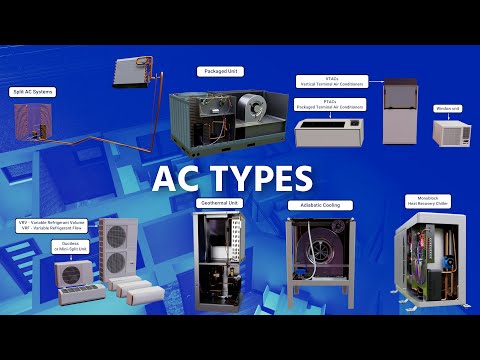
Not all air conditioning units are created equal. The right system depends on your square footage, budget, existing infrastructure, and cooling needs. Here’s a detailed look at the most popular options on the market today.
Central Air Conditioning Systems
Central AC is the gold standard for whole-home cooling. These systems use a network of ducts to distribute conditioned air evenly throughout your living space. A central air conditioner consists of two main components: an outdoor condenser unit and an indoor evaporator coil, typically housed near your furnace or air handler. The compressor circulates refrigerant through the system, absorbing heat from indoor air and releasing it outside. If you already have ductwork in place, central air is often the most seamless upgrade. These systems provide consistent temperatures across multiple rooms and can integrate with smart thermostats for programmable scheduling.
Ductless Mini-Split Systems
Ductless mini-split units have surged in popularity for good reason. They eliminate the need for extensive ductwork, making them ideal for additions, older homes, and spaces where traditional HVAC installation is impractical. Each indoor air handler connects to an outdoor compressor via a small conduit that passes through the wall. You get zoned cooling—meaning you control the temperature room by room. This targeted approach can dramatically reduce energy waste and lower monthly utility bills.
Window Air Conditioners
Window units remain one of the most affordable cooling solutions for single rooms or small apartments. These self-contained AC units sit in a window frame, drawing warm air in, cooling it over evaporator coils, and expelling the heat outside. They’re easy to install, relatively inexpensive, and require no major home modifications. The downside? They’re limited to one room, can be noisy, and block natural light from the window they occupy.
Portable Air Conditioners
Portable AC units offer flexibility without permanent installation. These standalone devices sit on the floor, roll on casters, and exhaust hot air through a window venting kit. They’re excellent for renters, temporary cooling needs, or spaces where a window unit simply won’t fit. However, portable air conditioners tend to be less energy-efficient than their window-mounted counterparts and may struggle to cool larger rooms effectively.
How to Choose the Right A/C Unit for Your Space

Selecting the proper cooling system involves more than picking the highest BTU rating you can find. Here are the key factors that experts consider before making a recommendation.
- Square footage and room size. Undersized units run constantly without reaching the desired temperature, while oversized units short-cycle, wasting energy and reducing comfort.
- Insulation quality. Poorly insulated homes lose cooled air rapidly, requiring a more powerful system to maintain consistent temperatures.
- Climate zone. Humid climates demand units with strong dehumidification capabilities, while arid regions may prioritize energy savings over moisture removal.
- Existing infrastructure. Do you have ductwork already? Are you willing to modify your walls for a ductless system? Your current setup heavily influences your best options.
- Budget considerations. Factor in not just the upfront purchase price but also installation costs, annual energy consumption, and long-term maintenance expenses.
Understanding SEER Ratings and Energy Efficiency
Seasonal Energy Efficiency Ratio, or SEER, is the metric that measures how efficiently your AC unit converts electricity into cooling power over an entire season. The higher the SEER rating, the less energy the system consumes to produce the same amount of cooling. Federal regulations now require a minimum SEER rating of 14 for new central air systems in most regions of the United States, but premium units can reach SEER ratings of 20, 22, or even higher.
Investing in a high-SEER air conditioner can reduce your annual cooling costs by 20% to 40% compared to older, lower-rated models. Pairing your cooling system with a variable-speed compressor and a smart thermostat amplifies these savings further. Variable-speed compressors modulate their output to match your cooling demand precisely, rather than cycling on and off at full power. This not only saves energy but also improves indoor air quality by maintaining more consistent humidity levels.
| A/C Unit Type | Typical SEER Range | Best For | Average Lifespan |
| Central Air Conditioning | 14 – 22 | Whole-home cooling with existing ductwork | 15 – 20 years |
| Ductless Mini-Split | 20 – 30 | Zoned cooling, additions, older homes | 12 – 20 years |
| Window Air Conditioner | 8 – 15 | Single-room cooling, budget-friendly | 8 – 12 years |
| Portable Air Conditioner | 8 – 12 | Renters, temporary cooling | 5 – 10 years |
A/C Unit Maintenance Tips That Extend Lifespan
Even the best air conditioning unit will underperform without regular care. Preventive maintenance is the single most effective way to protect your investment and avoid costly emergency repairs. Here’s what every homeowner should be doing.
Monthly and Seasonal Tasks
- Replace or clean your air filter. Clogged filters restrict airflow, forcing the compressor to work harder and increasing energy consumption by up to 15%. Check filters monthly during peak cooling season and replace them every one to three months.
- Clear debris around the outdoor condenser unit. Leaves, grass clippings, and dirt buildup around the condenser fins restrict heat dissipation and reduce system efficiency.
- Check your condensate drain line. A clogged drain causes water damage and promotes mold growth. Pour a cup of vinegar down the line every few months to prevent algae buildup.
Annual Professional Maintenance
Schedule a professional tune-up at least once a year—ideally in early spring before the cooling season begins. A qualified HVAC technician will inspect refrigerant levels, clean the evaporator and condenser coils, test electrical connections, lubricate moving parts, and verify that your thermostat is calibrated correctly. This annual service can extend the operational life of your AC unit by several years and keep manufacturer warranties intact.
Common Mistakes Homeowners Make When Buying an A/C Unit
Avoid these frequent pitfalls that cost homeowners money and comfort:
- Ignoring the importance of proper sizing. A unit that’s too large or too small will underperform regardless of its brand or price tag. Always request a Manual J load calculation from your installer.
- Skipping the ductwork assessment. Even the most efficient central AC system loses effectiveness through leaky, poorly insulated ducts. Have your ducts sealed and inspected before installation.
- Overlooking local rebates and incentives. Many utility companies and federal programs offer significant rebates for purchasing high-SEER energy-efficient air conditioning units. These incentives can offset a substantial portion of your upfront cost.
- Choosing the cheapest option. The lowest-priced AC unit may lack modern compressors, reliable components, and strong warranty coverage. Focus on total cost of ownership, not just sticker price.
The Future of Cooling: What to Look For in Modern A/C Units
The cooling industry is evolving rapidly. Today’s leading manufacturers are integrating inverter technology, eco-friendly refrigerants with lower global warming potential, and Wi-Fi-enabled controls into their systems. Inverter-driven compressors adjust their speed in real time rather than cycling between on and off states, delivering smoother temperature control and significant energy savings. When shopping for a new air conditioner, look for units that support smart home ecosystems, offer two-stage or variable-speed operation, and use R-410A or newer refrigerant blends that align with current environmental standards.
Final Thoughts
Choosing and maintaining the right A/C unit is one of the most impactful decisions you can make for your home’s comfort and your energy budget. Whether you opt for a central air system, a ductless mini-split, or a simpler window unit, the key is to match the technology to your specific needs, invest in professional installation, and commit to ongoing maintenance. The cooling system you choose today should keep you comfortable for years to come—and with the right approach, it will do so efficiently and reliably.
Frequently Asked Questions
What size A/C unit do I need for a 1,000 square foot room?
As a general rule of thumb, you need approximately 20 BTUs per square foot of living space. For a 1,000-square-foot room, that translates to a 20,000 BTU unit. However, factors like ceiling height, sun exposure, number of occupants, and insulation quality can shift this requirement. A professional Manual J load calculation will give you the precise size recommendation tailored to your home.
How often should I replace my A/C unit?
Most central air conditioning units last between 12 and 20 years with proper maintenance. Ductless mini-splits and window units typically have shorter lifespans of 8 to 15 years. If your system requires frequent repairs, struggles to maintain set temperatures, or your energy bills have risen significantly, it may be more cost-effective to replace the unit rather than continue repairing it.
Can I install an A/C unit myself?
While portable and some window units are designed for DIY installation, central air systems and ductless mini-splits require professional installation. Improper sizing, incorrect refrigerant charging, and flawed electrical connections can void warranties, reduce efficiency, and create safety hazards. Always hire a licensed HVAC contractor for complex installations.
What’s the difference between R-22 and R-410A refrigerant?
R-22 (also known as Freon) was the standard refrigerant in older air conditioning units but has been phased out due to its harmful effects on the ozone layer. R-410A, also called Puron, is a more environmentally friendly alternative that operates at higher pressures and offers improved energy efficiency. If you have an older unit using R-22, refrigerant replacement and repairs are becoming increasingly expensive, making system replacement a strong consideration.
Do A/C units improve indoor air quality?
Yes, to a degree. Modern air conditioning units include built-in filters that trap dust, pollen, pet dander, and other airborne particles as air circulates through the system. However, standard filters alone are not sufficient for comprehensive air purification. Pairing your AC unit with a high-efficiency filter (MERV 11 or higher) or a dedicated air purification system significantly improves indoor air quality and benefits allergy sufferers and respiratory health.