


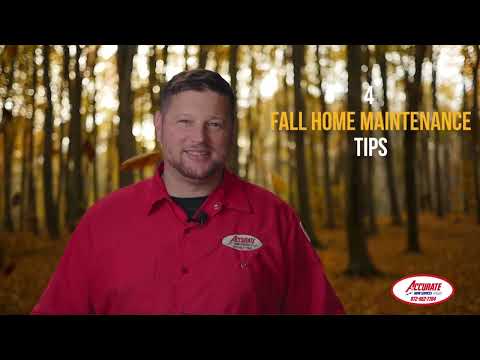
As the leaves turn golden and temperatures begin to drop, homeowners across the country start thinking about one critical task — preparing their homes for the colder months ahead. A well-planned fall home maintenance checklist isn’t just a to-do list; it’s a strategic approach to protecting your biggest investment, boosting energy efficiency, and preventing costly repairs down the road. Whether you’re a first-time homeowner or a seasoned property owner, having a structured seasonal maintenance routine can make all the difference between a cozy, worry-free winter and a season filled with unexpected breakdowns and emergency calls. In this comprehensive guide, we’ll walk you through every essential task, from basic exterior inspections to advanced interior systems checks, so your home is fully ready when Jack Frost arrives.
Why a Fall Home Maintenance Checklist Is Essential
Many homeowners underestimate the damage that autumn weather can inflict on a property. Falling leaves, freezing rain, early snow, and dramatic temperature swings all conspire to wear down building materials, strain mechanical systems, and create vulnerabilities that worsen over time. A fall home maintenance checklist serves as your proactive defense against these seasonal threats. Regular autumn upkeep can extend the lifespan of your roofing, HVAC equipment, and plumbing while simultaneously reducing monthly utility bills. According to most home inspection professionals, homes that receive consistent seasonal maintenance experience 30 to 50 percent fewer emergency repairs during winter months compared to neglected properties.
Beyond structural protection, a thorough autumn maintenance routine also enhances indoor air quality, reduces fire hazards, and improves overall home safety. It’s the kind of forward-thinking effort that pays dividends in comfort, savings, and peace of mind throughout the entire heating season.
The Ultimate Fall Home Maintenance Checklist

A comprehensive seasonal checklist should be organized by priority and location, starting with the most weather-exposed areas of your property and working inward. Below is a detailed breakdown of tasks every homeowner should tackle before temperatures consistently stay below freezing.
Exterior Home Maintenance Tasks
The exterior of your home takes the first hit from autumn’s harshest conditions. Tackling these jobs early prevents water damage, ice dams, and structural deterioration.
- Inspect and clean gutters and downspouts — Remove leaves, twigs, and debris that can cause water overflow and ice dams.
- Check roof shingles and flashing — Look for cracked, loose, or missing shingles and reseal any gaps around vents, chimneys, and skylights.
- Seal cracks and gaps in siding and foundation — Use caulk or expanding foam to close openings where cold air and pests can enter.
- Inspect windows and doors for drafts — Replace worn weatherstripping and apply caulk around frames to improve insulation.
- Clean exterior siding and decks — Power wash surfaces to remove mold, mildew, and debris before winter moisture sets in.
- Trim overhanging tree branches — Remove dead limbs that could break under snow weight and damage your roof or power lines.
- Drain and store outdoor hoses — Shut off interior shutoff valves and blow out remaining water from exterior spigots to prevent pipe bursts.
HVAC and Heating System Preparation
Your heating system works overtime during fall and winter, making it the single most important system to service before the cold season begins.
- Schedule a professional furnace inspection — A certified technician should clean burners, check heat exchangers, and verify thermostat accuracy.
- Replace your HVAC air filter — Swap out dirty filters to improve airflow, efficiency, and indoor air quality.
- Test your thermostat — Ensure it switches between heating and cooling modes correctly and maintains accurate temperature readings.
- Bleed radiators or baseboard heaters — Release trapped air to restore even heat distribution throughout your home.
- Inspect and clean your fireplace and chimney — Have a certified chimney sweep remove creosote buildup to reduce the risk of chimney fires.
Interior Home Maintenance Tasks
While the outside of your home faces the elements, interior systems also need attention to keep your household running smoothly during colder months.
- Check smoke and carbon monoxide detectors — Replace batteries and test each unit to ensure proper function.
- Inspect plumbing for leaks — Check under sinks, around water heaters, and in basements for signs of moisture or corrosion.
- Reverse ceiling fan direction — Set fans to rotate clockwise at low speed to push warm air down from the ceiling.
- Inspect attic insulation and ventilation — Adequate insulation prevents heat loss, while proper ventilation reduces ice dam formation.
- Test sump pump operation — Pour water into the sump pit to confirm the pump activates and discharges properly.
- Service your water heater — Flush sediment from the tank to improve efficiency and extend the unit’s lifespan.
Beginner, Intermediate, and Advanced Maintenance Comparison
Not every fall maintenance task requires the same level of skill or investment. Understanding where your project falls on the difficulty spectrum helps you plan your time, budget, and whether to call a professional.
| Difficulty Level | Examples | Skill Required | Estimated Cost |
| Beginner | Replacing HVAC filters, testing detectors, cleaning gutters | DIY-friendly, basic tools | $20–$100 |
| Intermediate | Sealing window drafts, trimming branches, bleeding radiators | Some DIY experience | $50–$250 |
| Advanced | Roof inspection, chimney sweeping, furnace professional service | Licensed professionals required | $150–$500+ |
The table above makes it clear that while many tasks are perfectly manageable for homeowners comfortable with basic tools, certain jobs — especially those involving gas systems, roofing, and structural inspections — are best left to licensed professionals. Attempting advanced repairs without proper training can void warranties and create serious safety hazards.
Expert Tips and Recommendations
Seasoned home maintenance professionals share several insights that go beyond a standard checklist and can save you significant time and money:
- Start early. Begin your autumn maintenance in mid-September or early October — before the first hard freeze — so you aren’t scrambling when winter weather arrives unexpectedly.
- Document everything. Take photos before and after each repair or inspection. This creates a maintenance record that proves invaluable when filing insurance claims or selling your home.
- Don’t forget the garage. Inspect garage door seals, lubricate moving parts, and check the automatic reverse mechanism for safety.
- Invest in a programmable thermostat. Upgrading to a smart thermostat before winter can reduce heating costs by 10 to 15 percent annually.
- Prepare an emergency kit. Stock flashlights, blankets, bottled water, and non-perishable food in case severe weather causes power outages.
- Check your insurance coverage. Verify that your homeowner’s policy covers storm damage, frozen pipe bursts, and other cold-weather hazards common in your region.
These expert recommendations transform a simple to-do list into a comprehensive home preservation strategy that delivers measurable results throughout the heating season.
Fall Home Maintenance Checklist FAQs

What is the most important item on a fall home maintenance checklist?
Most home inspectors agree that servicing your heating system is the single most critical autumn task. A malfunctioning furnace during a deep freeze can create dangerous living conditions and lead to emergency repair costs that far exceed the price of a routine professional inspection. Pair furnace maintenance with gutter cleaning and weatherstripping replacement for maximum impact.
How often should you update your seasonal home maintenance checklist?
You should review and update your fall maintenance checklist at least once per year, ideally in late August or early September. Over time, your home’s needs change as systems age, new technologies become available, and seasonal weather patterns shift. Updating your checklist ensures you never overlook a critical task.
Can I do fall home maintenance myself or should I hire professionals?
Many beginner and intermediate tasks are perfectly suited for DIY homeowners, including gutter cleaning, weatherstripping replacement, and air filter changes. However, tasks involving gas lines, electrical systems, roof work, and chimney inspections should always be handled by licensed professionals who carry proper insurance and certifications.
What happens if you skip fall home maintenance?
Skipping seasonal maintenance significantly increases the risk of frozen pipes, heating system failures, ice dam formation, and mold growth. These issues often result in repair costs that are five to ten times higher than the cost of preventive maintenance, not to mention the potential for property damage and health hazards.
How long does it take to complete a full fall home maintenance checklist?
A thorough autumn maintenance routine typically takes one to three weekends for most homeowners working independently. Breaking the checklist into exterior tasks one weekend, HVAC and interior systems the next, and finishing touches the third weekend helps prevent burnout and ensures nothing gets rushed or overlooked.
Conclusion
A thorough fall home maintenance checklist is the cornerstone of responsible homeownership. By tackling exterior inspections, HVAC servicing, interior system checks, and professional evaluations in a methodical order, you protect your property value, reduce energy costs, and create a safe, comfortable living environment for everyone under your roof. Start your autumn preparation early, tackle tasks systematically, and don’t hesitate to bring in professionals for complex or safety-critical jobs. The investment you make now in seasonal maintenance will pay for itself many times over through avoided repairs, lower utility bills, and the irreplaceable comfort of a well-maintained home throughout the winter season. Bookmark this checklist, share it with fellow homeowners, and make fall preparation an annual tradition your home — and your wallet — will thank you for for years to come.