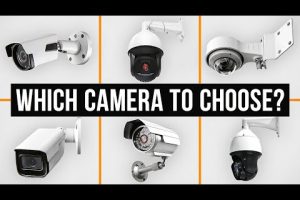
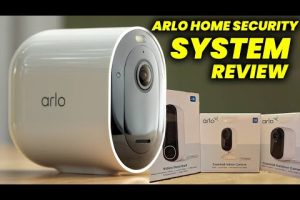
Choosing the best cameras for home security is one of the smartest investments you can make to protect your property, your family, and your peace of mind. With dozens of brands, styles, and price points flooding the market in 2024 and beyond, finding the right home surveillance setup can feel overwhelming. Whether you need a simple wireless security camera for a single entry point or a full multi-camera CCTV system to monitor every corner of your property, this guide cuts through the noise. We will walk you through the features that matter, compare top picks across every budget tier, and give you actionable expert tips to get the most out of your home security camera system.
Why Home Security Cameras Are Essential in 2024
Home security cameras do more than just record footage. They serve as a powerful deterrent against break-ins, package theft, and vandalism. Studies consistently show that visible surveillance cameras reduce the likelihood of a property being targeted by criminals. Beyond deterrence, modern smart home security cameras offer real-time alerts, two-way audio communication, and cloud or local storage options that let you monitor your home remotely from virtually anywhere in the world. If you have children, elderly family members, or pets at home, a reliable indoor or outdoor security camera adds an extra layer of reassurance that is genuinely priceless.
Key Features to Look For in Home Security Cameras

Before you click “buy,” understanding the core features that separate a mediocre security camera from a truly excellent one is critical. Below are the specifications that deserve your closest attention.
Resolution and Image Quality
The resolution of your camera directly determines how clear and usable your recorded footage will be. For most homeowners, a minimum of 1080p Full HD is the baseline standard. However, 2K and 4K ultra HD security cameras are becoming increasingly affordable and offer dramatically sharper images, making it easier to identify faces, license plates, and fine details in the footage. When evaluating image quality, also consider sensor size and low-light performance, because a high megapixel count on a tiny sensor can still produce noisy, washed-out night footage.
Field of View and Camera Angle
The field of view, measured in degrees, determines how much of your property a single camera can cover. Wide-angle lenses ranging from 110 to 180 degrees are ideal for monitoring large areas like driveways, backyards, and living rooms. A narrower field of view is better suited for capturing detailed footage of a specific entry point like a front door or garage. Pan-and-tilt cameras add extra versatility by allowing you to remotely adjust the viewing angle through a smartphone app.
Night Vision Capabilities
Most break-ins and suspicious activities occur after dark, which makes night vision a non-negotiable feature. The best wireless security cameras use infrared LEDs or color night vision technology to produce clear footage in complete darkness. Some premium models even offer enhanced night vision with customizable sensitivity settings, ensuring that animals, shadows, or passing cars do not trigger false alerts while still capturing genuine threats.
Motion Detection and Smart Alerts
Advanced motion detection separates top-tier home surveillance cameras from budget alternatives. Look for cameras that offer AI-powered person detection, vehicle recognition, and package detection to minimize unnecessary notifications. Customizable motion zones let you define exactly which areas of the frame should trigger an alert, reducing the frustration of being notified every time a squirrel crosses your yard.
Best Home Security Cameras for Every Budget
Budget considerations play a huge role in selecting the right home security camera system. Below is a breakdown of the best options across three price tiers to help you find the perfect fit.
Budget-Friendly Options (Under $50 Per Camera)
If you are building a home surveillance system on a tight budget, several reliable options deliver excellent value. The Wyze Cam v3 and the Blink Mini are standout choices that offer 1080p HD resolution, night vision, two-way audio, and smart motion detection at a fraction of the cost of premium models. The Reolink Argus 2 is another popular budget pick, featuring solar panel compatibility and local storage via a microSD card so you avoid monthly subscription fees. These cameras are ideal for beginners who want to dip their toes into the world of smart home security without a significant financial commitment.
Mid-Range Picks ($50 to $150 Per Camera)
The mid-range category offers the best balance of features and affordability for most homeowners. The Arlo Pro 4 stands out with its 2K resolution, color night vision, wire-free design, and seamless integration with popular smart home ecosystems like Alexa, Google Home, and Apple HomeKit. The Ring Stick Up Cam Battery provides flexible indoor-outdoor mounting options and excellent motion detection paired with Ring’s extensive network of professional monitoring services. The Google Nest Cam (Battery) offers intelligent alerts, familiar face recognition, and a sleek design that blends naturally into any home environment. These mid-tier cameras are perfect for those who want advanced features without breaking the bank.
Premium Choices (Over $150 Per Camera)
For homeowners who demand the absolute best in image quality, durability, and smart functionality, premium security cameras deliver unmatched performance. The Arlo Ultra 2 offers 4K HDR resolution with a 180-degree field of view, integrated spotlight, and siren for comprehensive property coverage. The Google Nest Doorbell ( Wired) combines a doorbell camera with advanced AI detection and a built-in alarm for front-door security. Eufy’s SoloCam S340 features an integrated solar panel, 2K resolution, and on-device AI that processes all data locally for maximum privacy. These premium models are built for homeowners who want a long-term, no-compromise home security camera system.
Indoor vs Outdoor Security Cameras: Which Do You Need?
One of the most common questions homeowners ask is whether to invest in indoor cameras, outdoor cameras, or both. The answer depends entirely on your specific security needs and property layout.
Outdoor security cameras are designed to withstand harsh weather conditions including rain, snow, extreme heat, and freezing temperatures. They typically feature an IP65 or IP67 weatherproof and dustproof rating. Outdoor models are best placed at entry points, driveways, back gates, and blind spots around your property where intruders might approach. Look for outdoor cameras with a built-in spotlight or color night vision to ensure visibility after dark.
Indoor security cameras are designed for monitoring the interior of your home. They are ideal for keeping an eye on pets, children, elderly family members, or household staff. Indoor cameras are generally smaller, more discreet, and do not need to be weather-resistant. Smart indoor cameras with two-way audio double as a baby monitor or pet cam, adding tremendous everyday utility beyond security.
Doorbell cameras occupy a unique niche that bridges indoor and outdoor functionality. They are specifically designed to monitor your front door, capture visitors, and deter porch pirates. Most modern video doorbells integrate with your existing doorbell wiring or run on battery power for easy installation.
Comparison: Top Home Security Cameras at a Glance

| Camera Model | Resolution | Night Vision | Price Range | Best For |
| Wyze Cam v3 | 1080p Full HD | Infrared | Under $40 | Budget beginners |
| Blink Mini | 1080p Full HD | IR Cut | Under $40 | Indoor monitoring |
| Arlo Pro 4 | 2K QHD | Color Night Vision | $100-$150 | Wire-free versatility |
| Ring Stick Up Cam | 1080p Full HD | Infrared | $60-$100 | Flexible indoor-outdoor use |
| Google Nest Cam (Battery) | 1080p Full HD | Color Night Vision | $100-$130 | Smart home integration |
| Arlo Ultra 2 | 4K UHD | Color Night Vision | $300+ | Premium whole-home coverage |
| Eufy SoloCam S340 | 2K QHD | Starlight Night Vision | $150-$200 | Privacy-focused local storage |
Expert Tips for Maximizing Your Home Security Camera System
Buying the right cameras is only half the battle. Proper setup, placement, and maintenance are what turn a collection of cameras into a truly effective home security system. Here are proven expert strategies to elevate your setup.
- Place cameras at strategic entry points. Your front door, back door, garage, and any ground-floor windows are the most common entry points for intruders. Position cameras at these locations first to maximize deterrence and coverage.
- Avoid placing cameras in direct sunlight. Prolonged exposure to direct sunlight can cause glare, wash out the image, and shorten the lifespan of the camera sensor. Mount cameras under eaves or awnings whenever possible.
- Use a combination of wired and wireless cameras. Wired cameras offer a more stable connection and do not rely on battery power, making them ideal for permanent installations. Wireless cameras provide flexibility and easier placement, making them perfect for renters or temporary setups.
- Secure your camera network. Change default passwords immediately, enable two-factor authentication on your camera app, and keep firmware updated to protect against hacking and unauthorized access.
- Subscribe to cloud storage or use local storage. Footage is only useful if you can access it when you need it. Cloud storage offers convenient remote access, while local storage via a microSD card or NVR eliminates recurring monthly fees.
- Test your system regularly. Periodically check that all cameras are recording correctly, motion zones are accurately set, and night vision is functioning properly after firmware updates or environmental changes.
Frequently Asked Questions
What is the best wireless security camera system for a small home?
For a small home or apartment, the Arlo Pro 4 or the Google Nest Cam (Battery) are widely considered the best wireless security cameras. Both offer 1080p or 2K resolution, reliable Wi-Fi connectivity, smart motion detection, and seamless app-based control. If budget is the primary concern, the Wyze Cam v3 delivers exceptional value with 1080p HD, color night vision, and local microSD storage at an incredibly low price point.
Do I need a subscription to use a home security camera?
Many modern home security cameras offer a free tier with basic features like live viewing and motion alerts, but advanced features like cloud video recording, person detection, and extended event history usually require a paid subscription. Cameras like Eufy and Reolink offer robust local storage options via microSD cards or base stations, allowing you to record and review footage without ever paying a monthly fee. If avoiding subscriptions is important to you, prioritize cameras with local storage capabilities.
Can indoor security cameras be used outdoors?
Most indoor security cameras are not weatherproof and should not be used outdoors, as exposure to rain, humidity, and temperature extremes can damage the internal components. However, some versatile models like the Ring Stick Up Cam Battery and Arlo Pro 4 are rated for both indoor and outdoor use, making them excellent dual-purpose options. Always check the camera’s IP rating and manufacturer specifications before mounting it outside.
How long do home security camera batteries last?
Battery life varies significantly depending on the camera model, usage patterns, and environmental conditions. Most battery-powered wireless security cameras like the Blink Mini and Ring Stick Up Cam last between two to six months on a single charge. Cameras with larger batteries and efficient power management, such as the Arlo Pro 4, can extend battery life even further, especially when paired with a solar panel charger that provides continuous power in outdoor installations.
What is the difference between CCTV cameras and smart security cameras?
Traditional CCTV cameras are analog or digital systems that typically require a dedicated digital video recorder (DVR) or network video recorder (NVR) and coaxial or Ethernet cabling. They are built for continuous recording and are commonly used in commercial settings. Smart security cameras, on the other hand, connect to your home Wi-Fi network and integrate with smartphone apps, voice assistants, and cloud services. They offer advanced features like AI-powered person detection, two-way audio, custom motion zones, and instant push notifications. Smart cameras are generally easier to install and more user-friendly for homeowners, while CCTV systems offer greater reliability and scalability for larger properties.
Final Thoughts
Finding the best cameras for home security comes down to understanding your specific needs, your property layout, and your budget. Whether you opt for a single budget-friendly wireless camera to monitor your front door or invest in a comprehensive multi-camera system that covers every angle of your property, the right home surveillance setup provides invaluable protection and peace of mind. Prioritize features like resolution, night vision, smart motion detection, and reliable storage, follow the expert placement and security tips outlined above, and you will have a home security camera system you can trust around the clock. Start with the cameras that match your current needs, and expand your system over time as your security requirements evolve.