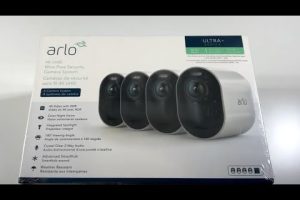
When it comes to protecting your home or business, choosing the right surveillance system can make all the difference between feeling secure and constantly worrying about blind spots. Arlo smart security cameras have emerged as one of the most popular choices for homeowners and small business owners who want reliable, flexible, and high-performance monitoring without the hassle of complicated wiring or expensive subscriptions. But what exactly makes these cameras stand out in a crowded market of security brands, and how do you know if an Arlo system is the right fit for your property?
In this comprehensive guide, we break down everything you need to know about Arlo smart security cameras — from their standout features and model lineup to setup tips, comparisons, and practical advice for getting the most out of your investment.
What Are Arlo Smart Security Cameras?
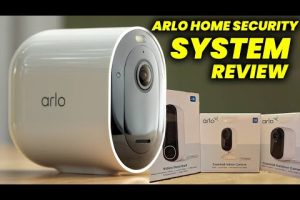
Arlo smart security cameras are a line of wireless surveillance devices designed and manufactured by Netgear’s Arlo brand. Unlike traditional security cameras that require extensive cabling and dedicated power sources, Arlo cameras are built around wireless connectivity, battery power, and cloud-based intelligence. They support Wi-Fi connectivity, integrate with the Arlo Smart Hub, and work seamlessly with the Arlo mobile app and web portal.
These cameras are part of a broader smart home ecosystem, meaning they can connect with popular platforms like Amazon Alexa, Google Assistant, and Apple HomeKit. Whether you are looking for indoor monitoring, outdoor surveillance, or a complete 360-degree security setup, Arlo offers a range of products tailored to different needs and budgets. The system is known for delivering HD and 4K Ultra HD video quality, intelligent motion detection, two-way audio, color night vision, and flexible storage options through both cloud subscriptions and local microSD cards.
Key Features That Set Arlo Cameras Apart
Understanding the core features of Arlo smart security cameras helps you evaluate whether they meet your security requirements. Here is a detailed look at what makes them compelling.
Video Quality and Resolution
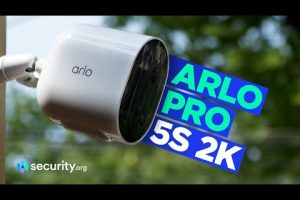
One of the most critical factors in any security camera system is image clarity. Arlo cameras span a range of resolutions, starting from 1080p Full HD on budget models like the Arlo Essential series up to 2K and 4K Ultra HD on premium offerings such as the Arlo Pro 5S and Arlo Ultra 2. Higher resolution means you can capture fine details like license plates, facial features, and package labels — details that low-resolution cameras simply miss.
Many models also feature HDR imaging, which balances bright and dark areas in a single frame, ensuring clear footage even in challenging lighting conditions like sunset glare or shadowed doorways.
Battery Life and Power Options
Arlo cameras offer impressive flexibility when it comes to power. Most wireless models run on rechargeable lithium-ion batteries that can last anywhere from two to six months depending on usage, activity levels, and settings. For those who prefer never worrying about battery maintenance, hardwired models are also available that connect directly to a power outlet or even a PoE (Power over Ethernet) setup.
This dual power approach is a significant advantage because it lets you place cameras in locations where running a power cable would be impractical or expensive.
Weather Resistance and Durability
Outdoor Arlo cameras carry an IP65 or IP67 rating, meaning they are built to withstand rain, snow, dust, and extreme temperatures ranging from -4°F to 122°F. This makes them reliable year-round, whether you live in a desert climate or a region with harsh winters. The durable construction includes impact-resistant housings that protect the lens and internal components from physical damage.
Smart Detection and AI-Powered Alerts
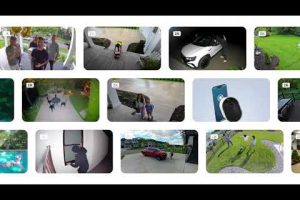
Arlo’s smart detection technology goes beyond simple motion sensors. Using advanced algorithms, the cameras can distinguish between people, vehicles, animals, and packages, sending you targeted alerts that match what actually triggered the motion event. This dramatically reduces false alarms caused by passing cars, swaying trees, or neighborhood pets — a common frustration with cheaper security systems.

How Arlo Smart Security Cameras Work

The Arlo ecosystem revolves around a few core components: the cameras themselves, a Base Station (or Smart Hub), and the cloud or local storage infrastructure. The Base Station connects to your router via Ethernet and serves as the central communication hub for all wireless Arlo devices. It extends the Wi-Fi range to cameras placed far from your router and provides a backup cellular connection in case your internet goes down — a feature available on select plans.
When motion is detected, the camera sends a real-time alert to your smartphone through the Arlo app. You can then view a live stream, review recorded footage, or trigger two-way audio to speak with someone on your property. Recorded clips are stored either in the cloud via an Arlo Secure subscription or locally on a microSD card inserted directly into the camera or Base Station.
Arlo Camera Models at a Glance
The Arlo product lineup covers a wide spectrum of needs and price points. Here is a comparison of the most popular models to help you decide.
| Model | Resolution | Power | Color Night Vision | Price Range |
| Arlo Essential Indoor/Outdoor | 2K QHD | Battery or Wired | Yes | $30–$50 |
| Arlo Pro 4 | 2K QHD | Battery or Wired | Yes | $80–$100 |
| Arlo Pro 5S 2K | 2K QHD | Battery or Wired | Yes | $100–$130 |
| Arlo Ultra 2 | 4K Ultra HD | Battery or Wired | Yes | $250–$350 |
| Arlo Essential Indoor | 1080p HD | Wired Only | No | $25–$35 |
For most homeowners, the Arlo Pro 5S 2K strikes the best balance between video quality, features, and cost. If you need maximum detail and advanced zoom capabilities, the Arlo Ultra 2 delivers class-leading 4K footage with a 360-degree pan and a 20x zoom lens.
Setting Up Your Arlo Security System

Setting up Arlo smart security cameras is designed to be straightforward, even for users with limited technical experience. Here is a step-by-step overview of the process.
- Unbox and charge your cameras — Most Arlo cameras arrive partially charged, but a full charge before installation is recommended.
- Position the Base Station — Place it within range of your Wi-Fi router in a central location. Connect it to your router using the included Ethernet cable.
- Sync cameras to the Base Station — Open the Arlo app on your smartphone, create an account, and follow the on-screen prompts to pair each camera. The LED light on the camera will blink to signal it is ready for pairing.
- Mount the cameras — Use the provided magnetic mounts, screws, or wall anchors depending on your surface and model. Indoor cameras can also be placed on flat surfaces or shelves.
- Configure detection zones and alerts — In the Arlo app, draw custom activity zones to focus on relevant areas like driveways, doorways, or windows. Set up smart notifications so you only receive alerts for the events that matter to you.
- Choose your storage plan — Decide between the Arlo Secure cloud subscription for remote access and automatic backups, or use a microSD card for local recording at no monthly cost.
Pro tip: Place cameras at a height of seven to nine feet for the best field of view, and avoid pointing them directly at bright light sources like streetlights to reduce glare and improve night vision performance.
Arlo vs. Competitors: What You Need to Know
When evaluating Arlo smart security cameras, it helps to understand how they compare to other leading brands in the smart security space.
- Arlo vs. Ring: Ring cameras integrate tightly with Alexa and offer a more affordable entry point, but Arlo generally provides superior video resolution and a more flexible, non-ecosystem-locked experience.
- Arlo vs. Nest (Google): Nest cameras excel in AI-powered detection and Google Home integration, but they tend to lock you into a Google ecosystem and often require a Nest Aware subscription for basic features. Arlo offers more device compatibility and more generous included features on lower-tier plans.
- Arlo vs. Eufy: Eufy cameras often come with free local storage and lower upfront costs, but Arlo counters with broader model variety, superior 4K options, and a more mature cloud platform with cellular backup.
Ultimately, Arlo’s strength lies in its flexibility, image quality, and wireless freedom — making it an excellent choice for renters, larger properties, and users who want a system that grows with their needs.
Expert Tips for Maximizing Arlo Performance
- Optimize your Wi-Fi signal. If a camera is far from your router, consider adding a Wi-Fi extender or mesh node nearby to maintain a stable connection and prevent dropped footage.
- Use Activity Zones wisely. Defining precise detection zones reduces unnecessary recordings and extends battery life on wireless cameras.
- Enable Power Save mode. Arlo cameras offer adjustable motion sensitivity and clip length settings. Shortening clip length and reducing sensitivity in low-traffic areas can double or triple battery life.
- Keep firmware updated. Arlo regularly releases firmware updates that improve detection accuracy, add new features, and patch security vulnerabilities. Check for updates in the app settings every few weeks.
- Leverage the Base Station’s USB port. If you have a USB drive connected to your Base Station, you can enable local backup recording for an extra layer of data protection beyond the microSD card.
Frequently Asked Questions
Do Arlo Smart Security Cameras Require a Subscription?
No, Arlo cameras work without a subscription for basic live viewing and local recording on a microSD card. However, an Arlo Secure subscription unlocks cloud storage, person detection, package detection, 30-day video history, and cellular backup. The Essential plan starts at around $2.99 per month per camera, while the Pro plan adds advanced AI features for $9.99 per month.
Can Arlo Cameras Be Used Without the Base Station?
Some Arlo models connect directly to Wi-Fi without a Base Station, but for the best performance, multi-camera setups, and features like smart alerts and extended range, the Arlo Smart Hub or Base Station is strongly recommended. It acts as the central coordination point for your entire system.
How Long Does the Arlo Battery Last per Charge?
Battery life varies by model, activity level, and settings, but most Arlo wireless cameras deliver two to six months on a single charge. Models with higher resolution and more frequent motion events tend to drain batteries faster. Using the hardwired power option eliminates this concern entirely.
Are Arlo Cameras Compatible with Amazon Alexa and Google Assistant?
Yes, the vast majority of Arlo smart security cameras are compatible with both Amazon Alexa and Google Assistant. You can use voice commands to view live feeds, check recent activity, and arm or disarm your system. Some models also support Apple HomeKit for iOS users.
What Makes Arlo’s Color Night Vision Different?
Unlike traditional security cameras that switch to black-and-white infrared at night, Arlo cameras with color night vision use built-in LED spotlights to illuminate the scene in full color. This provides more recognizable and useful footage in low-light conditions, making it easier to identify people, vehicles, and objects after dark.
Final Thoughts
Arlo smart security cameras deliver a compelling combination of wireless convenience, outstanding video quality, and intelligent features that make home and business monitoring simpler and more effective than ever. Whether you are a first-time security camera buyer or upgrading from an older system, Arlo offers a scalable ecosystem that adapts to your property size, budget, and technical comfort level. With flexible power options, reliable weather resistance, smart AI detection, and multiple storage choices, Arlo has established itself as a top-tier brand in the competitive world of home security. If you are serious about protecting your property with a modern, user-friendly surveillance system, Arlo deserves a close look at the top of your shortlist.