Choosing the right electricity provider in Texas can feel overwhelming, especially with dozens of companies competing for your business across the Lone Star State. Whether you live in Houston, Dallas, Austin, or a smaller city like Abilene or Lubbock, the Texas electricity deregulated market gives you the power to select a plan that fits your budget, lifestyle, and values. But with so many options — from fixed-rate plans to green energy packages — how do you actually make the right choice? This comprehensive guide breaks down everything you need to know about picking the best electricity provider in Texas, including plan types, pricing strategies, hidden fees, and expert tips to save you money every month.
Understanding the Texas Deregulated Electricity Market
Texas operates one of the most unique electricity markets in the United States. Following the passage of Senate Bill 7 in 2002, the state deregulated its electricity industry, allowing multiple retail electric providers (REPs) to compete for customers in what are known as “deregulated” areas. This competition is designed to drive lower prices, better customer service, and more plan options for consumers.

Approximately 85% of Texas power customers live in deregulated areas. Major cities like Houston, Dallas-Fort Worth, and Corpus Christi fall within this competitive zone, meaning residents can choose from hundreds of electricity plans. Oncor and CenterPoint Energy, for example, still handle delivery and infrastructure — they’re your local wires companies — but the company you pay each month depends entirely on the REP you select.
How to Choose an Electricity Provider in Texas
Key Factors to Evaluate Before You Switch
Before you commit to any electricity plan, consider these critical factors that directly impact your monthly bill and overall satisfaction:
- Plan type: Fixed-rate, variable-rate, or indexed plans each carry different levels of risk and reward.
- Contract length: Terms range from month-to-month agreements to 36-month lock-in periods.
- Electricity rate (¢/kWh): The price per kilowatt-hour determines the bulk of your bill.
- Renewable energy percentage: If sustainability matters to you, some plans offer 100% renewable sourcing.
- Early termination fees: Penalties for canceling before your contract ends can be significant.
- Customer reviews: Check the Public Utility Commission of Texas (PUCT) complaints database for each provider.
Types of Electricity Plans Available in Texas
Understanding the different plan structures is essential when comparing electricity providers. Here are the three main categories:
- Fixed-Rate Plans: Your electricity rate stays the same for the entire contract duration, regardless of market fluctuations. These are ideal for consumers who want budget predictability.
- Variable-Rate Plans: Rates change based on wholesale market conditions. These often have no contract term, giving you flexibility, but your bill could spike during peak demand seasons.
- Indexed Plans: Tied to a specific index like the ERCOT wholesale index. Your rate moves up or down in line with market pricing, which can save money in low-demand months but carry more risk.
Top Electricity Providers in Texas Compared
The table below compares several of the most popular electricity providers operating in Texas deregulated zones. Use this as a starting point for your research.
| Provider | Plan Types | Avg. Rate (¢/kWh) | Contract Terms | Renewable Options |
| Reliant Energy | Fixed, Variable | 12.5 – 18.9 | 6 – 36 months | Yes |
| TXU Energy | Fixed, Indexed | 13.0 – 19.5 | 12 – 36 months | Yes |
| Constellation Energy | Fixed, Variable | 11.8 – 17.2 | 1 – 36 months | Yes |
| Gexa Energy | Fixed, Green | 12.2 – 16.8 | 12 – 24 months | 100% Renewable |
| Chariot Energy | Fixed, Green | 11.5 – 15.9 | 6 – 24 months | 100% Solar |
| Bounce Energy | Fixed, Variable | 12.0 – 18.0 | 6 – 36 months | Yes |
Keep in mind that rates vary significantly depending on your location within Texas and your average monthly usage. A plan that looks cheap at 12¢/kWh might cost more than a 14¢/kWh plan if the cheaper one has higher base charges or lower tiers that kick in at higher consumption levels.
Understanding Electricity Rates and Fees
Hidden Fees to Watch Out For
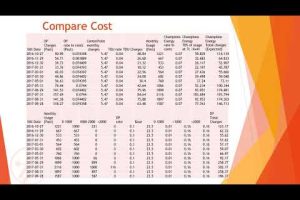
One of the biggest mistakes Texas consumers make is comparing only the advertised electricity rate without looking at the full Electricity Facts Label (EFL). Every plan in Texas is required to provide an EFL that details every fee, charge, and tier structure. Here are the hidden costs that commonly trip up customers:
- Base charges: A flat daily or monthly fee regardless of how much electricity you use.
- Tiered pricing: Rates that increase once you cross a certain kWh threshold each month.
- Distribution charges: These are passed through but vary by provider’s rate structure.
- Early termination fees: Typically $25–$75 per remaining month of the contract.
- Connection and disconnection fees: Especially relevant if you’re moving homes.
Always calculate your estimated monthly bill using your actual usage history. If you consume 1,000 kWh per month, run the numbers using the plan’s tier structure to avoid surprises when your bill arrives.
Renewable Energy Options in Texas
Texas leads the nation in wind energy production, and consumers in deregulated areas can choose plans powered entirely or partially by renewable sources. Companies like Gexa Energy, Chariot Energy, and Green Mountain Energy offer green plans that source electricity from wind farms, solar installations, and other clean energy projects across the state.
Switching to a renewable electricity plan in Texas doesn’t necessarily mean paying more. In many cases, green energy plans compete favorably on price with traditional plans, especially during windy seasons when wholesale power costs drop. If reducing your carbon footprint is a priority, look for plans certified by programs like Green-e Energy and review the percentage of renewable content listed on the EFL.
How to Switch Electricity Providers in Texas
Step-by-Step Switching Process
Switching your electricity provider in Texas is straightforward and typically takes just a few minutes. Here is what you need to do:
- Review your current EFL: Understand your current plan’s rates, fees, and contract end date.
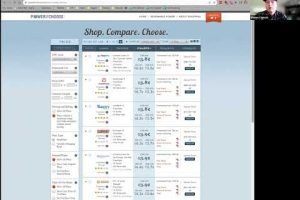
- Research new providers: Use comparison tools like the PUCT Power to Choose website or independent comparison platforms.
- Compare plans side by side: Look at rate, contract length, renewable content, and all fees.
- Enroll with your new provider: You will typically need your address, Account Number from your current provider, and a recent bill.
- Your new provider handles the switch: There should be no interruption in service. Oncor or CenterPoint continues delivering power regardless of your chosen REP.
- Verify your first bill: Check that the new plan is reflected correctly and monitor for any billing discrepancies.
Expert tip: The best time to switch is during the early months of the year (January through March) when wholesale electricity prices tend to be lower. Avoid switching during extreme heat waves or winter cold snaps, as demand spikes can drive up rates across the board.

Frequently Asked Questions
What is the cheapest electricity provider in Texas?

There is no single cheapest electricity provider in Texas because rates depend heavily on your location, usage level, and current market conditions. Providers like Chariot Energy, Frontier Utilities, and Pulse Power frequently offer competitive low rates, but the cheapest plan for your specific household depends on your monthly kWh consumption and the plan’s tier structure. Always use the Electricity Facts Label to calculate your actual projected cost.
How do I know if my area in Texas is deregulated?
You can check whether your area is deregulated by visiting the Public Utility Commission of Texas (PUCT) website or calling your local utility company. If your area is served by companies like Oncor, CenterPoint Energy, or AEP Texas, there is a strong chance you live in a deregulated zone where you can choose your electricity provider.
Can I switch electricity providers without a service interruption?
Yes. Switching electricity providers in Texas does not interrupt your power service. Your local delivery company (such as Oncor or CenterPoint Energy) continues to maintain the poles, wires, and infrastructure that deliver electricity to your home. The switch only affects who you pay on your monthly bill, not the physical delivery of power.
What happens if I cancel my electricity plan early in Texas?
Most fixed-rate electricity plans in Texas include an early termination fee if you cancel before the contract ends. These fees typically range from $25 to $75 per remaining month of the contract. Variable-rate and month-to-month plans usually do not carry early termination fees, but you should always confirm this in your contract or EFL before enrolling.
Conclusion
Choosing the right electricity provider in Texas requires a bit of research, but the potential savings — and the ability to align your energy use with your values — make it well worth the effort. By understanding plan types, reading Electricity Facts Labels carefully, comparing rates based on your actual usage, and timing your switch strategically, you can find a provider that delivers reliable power at a fair price. Take advantage of the competitive Texas market, ask the right questions, and never settle for a plan that doesn’t work for your household.
Frequently Asked Questions
- What is the cheapest electricity provider in Texas?
There is no single cheapest electricity provider in Texas because rates depend heavily on your location, usage level, and current market conditions. Providers like Chariot Energy, Frontier Utilities, and Pulse Power frequently offer competitive low rates, but the cheapest plan for your specific household depends on your monthly kWh consumption and the plan’s tier structure. Always use the Electricity Facts Label to calculate your actual projected cost.
- How do I know if my area in Texas is deregulated?
You can check whether your area is deregulated by visiting the Public Utility Commission of Texas (PUCT) website or calling your local utility company. If your area is served by companies like Oncor, CenterPoint Energy, or AEP Texas, there is a strong chance you live in a deregulated zone where you can choose your electricity provider.
- Can I switch electricity providers without a service interruption?
Yes. Switching electricity providers in Texas does not interrupt your power service. Your local delivery company (such as Oncor or CenterPoint Energy) continues to maintain the poles, wires, and infrastructure that deliver electricity to your home. The switch only affects who you pay on your monthly bill, not the physical delivery of power.
- What happens if I cancel my electricity plan early in Texas?
Most fixed-rate electricity plans in Texas include an early termination fee if you cancel before the contract ends. These fees typically range from $25 to $75 per remaining month of the contract. Variable-rate and month-to-month plans usually do not carry early termination fees, but you should always confirm this in your contract or EFL before enrolling.