When it comes to kitchen renovations, one decision that homeowners tend to underestimate is flooring selection. Your kitchen floor endures daily abuse from foot traffic, spills, heavy appliances, and constant cleaning routines. Choosing durable kitchen flooring is not just about aesthetics—it is about long-term performance, safety, and protecting your investment. Whether you are building a new home or remodeling an existing kitchen, the right flooring material can make the difference between a surface that lasts a decade and one that holds up for thirty years or more. In this comprehensive guide, we break down the best options, compare their strengths, and give you expert-backed recommendations so you can make a confident, informed choice.
Why Durable Kitchen Flooring Deserves Your Full Attention
The kitchen is the most demanding room in any home. Unlike bedrooms or living rooms, kitchen floors face a unique combination of challenges: moisture exposure from sinks and dishwashers, heavy impact from dropped cookware, grease and food residue, and frequent cleaning with aggressive chemicals. Flooring that fails to meet these demands leads to warping, staining, cracking, and costly replacements. Investing in long-lasting kitchen floor solutions means fewer repair cycles, better indoor air quality, and a space that remains beautiful through years of daily use. Durability should never be an afterthought—it must be the foundation of every flooring decision you make in this high-traffic zone.
Top Durable Kitchen Flooring Materials Compared
Not all flooring materials are created equal when it comes to standing up to kitchen conditions. Below, we explore the five most popular options for resilient kitchen flooring, each with distinct advantages and ideal use cases.
1. Porcelain Tile
Porcelain tile consistently ranks as one of the most durable flooring choices for kitchens, and for good reason. Made from dense clay fired at extremely high temperatures, porcelain is naturally water-resistant, scratch-resistant, and highly resistant to stains. Its fired surface means spills like red wine, coffee, and cooking oils sit on top rather than seeping in. Porcelain tiles come in an enormous range of sizes, finishes, and designs, including realistic wood-look and stone-look options that give you the appearance of softer materials without sacrificing toughness.
Key advantages of porcelain tile flooring in the kitchen include:
- Extremely low water absorption rate (under 0.5%)
- Excellent resistance to scratches, chips, and impact
- Fireproof and hypoallergenic
- Available in slip-resistant finishes for safety
- Lifespan of 25 to 50 years with proper care
The primary consideration with porcelain is installation complexity. Tiles require precise layout, proper substrate preparation, and grout sealing to prevent moisture penetration at the joints. Hiring an experienced installer is highly recommended for best results.

2. Engineered Hardwood
If you love the warmth and classic beauty of real wood but need something tougher than solid hardwood, engineered hardwood is the sweet spot. Constructed with a real wood veneer layered over high-density plywood or HDF core, engineered planks resist warping and moisture better than their solid counterparts. Many engineered hardwood products feature aluminum oxide or polyurethane wear layers that dramatically increase scratch and dent resistance.
Why homeowners choose engineered hardwood for their kitchen:
- Beautiful, natural wood aesthetic that complements virtually any kitchen style
- Dimensional stability thanks to cross-layered construction
- Compatible with radiant floor heating systems
- Easier to install than solid wood, often using click-lock floating methods
- Available in various thicknesses, with 5mm and above offering superior durability
However, engineered hardwood still requires some care. Prolonged standing water can damage the core, so immediate spill cleanup is essential. Choosing a product with a thick wear layer—ideally 4mm or more—ensures you can refinish the surface multiple times over its lifespan.
3. Luxury Vinyl Plank (LVP)
Luxury vinyl plank has revolutionized the resilient flooring market, and for good reason. Modern LVP uses a rigid or semi-rigid core—often WPC (wood-plastic composite) or SPC (stone-plastic composite)—that makes it virtually waterproof and incredibly resistant to dents and scratches. The printed design layers replicate the look of natural wood, stone, and ceramic with remarkable realism, making LVP one of the most versatile durable kitchen floor options available.
standout features of LVP include:
- 100% waterproof core, making it ideal for kitchens prone to moisture
- Thick wear layers (up to 12 mil) for long-lasting surface protection
- Comfortable underfoot feel compared to tile or stone
- Floating installation that is DIY-friendly for experienced homeowners
- Affordable price point relative to natural stone and hardwood
LVP’s main limitation is that it cannot be refinished once the wear layer is exhausted. However, quality LVP products with thick wear layers typically last 20 years or more under normal kitchen conditions.
4. Natural Stone Flooring
Natural stone—particularly granite, slate, and quartzite—brings unmatched durability and a luxurious, organic feel to kitchen spaces. These materials are formed over millions of years under intense geological pressure, making them naturally hard and resistant to scratching. Granite, for example, rates between 6 and 7 on the Mohs hardness scale, making it harder than most everyday kitchen hazards.
Natural stone excels in kitchens when:
- You want a one-of-a-kind, high-end aesthetic
- The kitchen receives heavy foot traffic or commercial-style use
- You need a heat-resistant surface near cooking areas
- Long-term value and resale impact are priorities
Stone does require ongoing maintenance, including periodic sealing to prevent staining from acidic liquids like lemon juice and vinegar. It is also heavier than other options, so subfloor strength must be evaluated before installation.
5. Polished Concrete Flooring
Polished concrete has moved from industrial spaces into residential kitchens, and it is easy to see why. When properly sealed and polished, concrete becomes an exceptionally hard, seamless surface that resists moisture, scratches, and stains. It also offers excellent thermal mass, helping regulate kitchen temperatures and working well with underfloor heating systems.
Concrete flooring benefits for kitchens:
- Extremely long lifespan—decades with minimal maintenance
- Seamless surface eliminates grout lines where dirt and bacteria accumulate
- Highly customizable with dyes, stains, and decorative scoring
- Environmentally friendly when using existing slab substrates
- Outstanding resistance to heavy impacts and furniture movement
The main consideration is that concrete can feel cold and hard underfoot. Area rugs or radiant heating can mitigate this, and adding a quality penetrating sealer prevents moisture absorption and staining.

Comparison Table: Durable Kitchen Flooring Materials
| Material | Water Resistance | Scratch Resistance | Lifespan | Cost per Sq Ft |
| Porcelain Tile | Excellent | Excellent | 25–50 years | $5–$15 |
| Engineered Hardwood | Moderate | Good to Excellent | 30–50 years | $8–$20 |
| Luxury Vinyl Plank | Excellent | Very Good | 15–25 years | $3–$10 |
| Natural Stone | Moderate to Good | Excellent | 50+ years | $10–$30 |
| Polished Concrete | Very Good | Excellent | 50+ years | $5–$15 |
Cost estimates vary based on material grade, installation complexity, and regional labor rates. Always request quotes from at least three licensed contractors for accurate pricing tailored to your specific kitchen dimensions and substrate conditions.
How to Choose the Right Durable Kitchen Floor for Your Needs
Selecting the best long-lasting kitchen flooring depends on several factors beyond just durability. Consider these practical guidelines to narrow your options:
Assess your lifestyle and usage patterns. If you have young children or pets, prioritize scratch resistance and slip-resistant surfaces. If you do a lot of cooking, focus on heat resistance and stain immunity. A household that values low maintenance will gravitate toward porcelain tile or LVP, while those willing to invest in care may prefer natural stone or engineered hardwood.
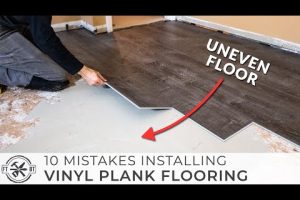
Evaluate your subfloor condition. The strongest flooring material will underperform if the subfloor is uneven, damaged, or lacks proper moisture barriers. Concrete subfloors may need crack repair and sealing, while wooden subfloors should be checked for rot and levelness before installation begins.
Consider your budget holistically. Durable kitchen flooring costs include not only the material price per square foot but also underlayment, adhesive or fasteners, grout or sealant, and professional installation fees. Sometimes a mid-range material installed correctly outperforms a premium material installed hastily.
Think about long-term value. Resale impact matters. Natural stone and porcelain tile are universally appreciated by homebuyers. Engineered hardwood offers strong appeal in traditional and transitional markets. LVP is gaining acceptance but still carries a perception of being less premium in some real estate markets.
Installation Tips for Maximum Floor Longevity
Even the most durable kitchen flooring material will fail prematurely if installed incorrectly. Follow these expert installation practices to ensure your floor reaches its full lifespan:

- Prepare the substrate properly. Clean the subfloor thoroughly, remove any debris or adhesive residue, and ensure the surface is level within the tolerances specified by the manufacturer.
- Use the right moisture barrier. In kitchens where the floor may encounter standing water, a vapor barrier or waterproof membrane beneath tile or stone prevents moisture from reaching the subfloor and causing structural damage.
- Allow materials to acclimate. Let boxes of tile, stone, or plank flooring sit in the kitchen for at least 48 hours before installation so they adjust to the room’s temperature and humidity levels.
- Follow expansion gap guidelines. All flooring materials expand and contract with temperature changes. Leaving proper perimeter gaps and using appropriate transition strips prevents buckling and cracking over time.
- Seal all grout and joints. After installation, apply a high-quality grout sealer to tile and stone joints. Reapply sealer every one to two years to maintain water and stain protection.
Maintenance Best Practices for Long-Lasting Kitchen Floors
Routine maintenance is the simplest way to extend the life of your durable kitchen flooring. Here are expert-backed tips that apply across most flooring types:
- Sweep or vacuum daily to remove grit and sand particles that act like sandpaper and scratch surfaces over time.
- Use pH-neutral cleaners rather than acidic or abrasive products that can degrade sealants and damage surface finishes.
- Wipe spills immediately, especially acidic substances like citrus juice, vinegar, and tomato sauce that can etch natural stone and damage grout.
- Place protective mats under heavy appliances and in high-moisture zones like the sink area to reduce localized wear.
- Inspect grout lines and sealant joints every six months, touching up any cracks or gaps before moisture can penetrate.
- Use felt pads under furniture legs to prevent scratches when moving chairs, stools, or appliances.
Frequently Asked Questions About Durable Kitchen Flooring
What is the most durable flooring option for a high-traffic kitchen?
Porcelain tile and polished concrete are widely considered the most durable flooring options for high-traffic kitchens. Porcelain tile offers exceptional scratch and moisture resistance with a lifespan of 25 to 50 years, while polished concrete provides a seamless, virtually indestructible surface that can last decades with minimal maintenance. Both materials withstand heavy foot traffic, dropped cookware, and frequent cleaning without significant wear.
Is luxury vinyl plank durable enough for a kitchen environment?
Yes, modern luxury vinyl plank is highly durable and well-suited for kitchen environments. Quality LVP products feature rigid or stone-plastic composite cores that are 100% waterproof, thick wear layers of 12 mil or more, and realistic surface textures. They resist scratches, dents, and moisture damage, making them an excellent choice for busy households. The primary limitation is that LVP cannot be refinished once the surface wears through, but a quality product should last 20 years or more under normal kitchen use.
Which flooring material is best for kitchens prone to water spills and moisture?
For kitchens where moisture exposure is a constant concern, porcelain tile and luxury vinyl plank are the top choices. Porcelain has an extremely low water absorption rate and does not swell, warp, or stain from water exposure. LVP features a completely waterproof core that can withstand standing water without damage. Engineered hardwood is a moderate option if paired with a high-quality waterproof core and careful maintenance, but it is less forgiving than porcelain or LVP in persistently wet conditions.
Can you install durable kitchen flooring over existing flooring?
Yes, in many cases you can install durable kitchen flooring over existing flooring, but it depends on the material and condition of the current floor. Porcelain tile can sometimes be installed over existing tile if the surface is clean, level, and properly bonded. LVP and engineered hardwood are commonly installed as floating floors over existing surfaces, provided the substrate is flat and stable. However, installing over damaged or uneven flooring will compromise the new floor’s performance and longevity, so proper assessment and preparation are essential.
What is the most cost-effective durable kitchen flooring option?
Luxury vinyl plank offers the best balance of durability and affordability for most kitchen projects, with material costs typically ranging from $3 to $10 per square foot. Porcelain tile is another highly cost-effective option given its exceptional lifespan of 25 to 50 years, which brings the cost-per-year of ownership remarkably low. While the upfront material cost for porcelain may be higher than LVP, the decades of reliable performance make it one of the most economical long-term investments for kitchen flooring.
Conclusion
Choosing durable kitchen flooring is one of the most impactful decisions you can make during a renovation or new build. The best material for your kitchen depends on your lifestyle, budget, aesthetic preferences, and the specific challenges your kitchen faces. Porcelain tile and engineered hardwood deliver timeless beauty with exceptional longevity. LVP offers unmatched waterproof performance at a competitive price. Natural stone and polished concrete bring premium appeal and extraordinary toughness for homeowners willing to invest in proper care and maintenance. By understanding the strengths and limitations of each option—and by prioritizing correct installation and consistent maintenance—you can enjoy a kitchen floor that looks great and performs flawlessly for decades. Take your time, compare your options carefully, and invest in quality materials and professional installation. Your kitchen floor is the foundation of one of the most-used rooms in your home, and it deserves nothing less than a choice built to last.