When most homeowners think about plumbing, they picture pipes running through walls, under sinks, or inside utility closets. But there is an entire network of piping hidden beneath the surface that keeps water flowing in and waste flowing out of your property. Ground plumbing is the backbone of any residential or commercial building’s infrastructure, and understanding how it works can save you thousands of dollars in repair costs, water waste, and property damage. Whether you are building a new home, renovating an older property, or simply trying to diagnose a mysterious soggy patch in your yard, this guide covers everything you need to know about underground plumbing systems, from materials and installation to troubleshooting and long-term maintenance.
What Is Ground Plumbing and Why Does It Matter?
Ground plumbing refers to any piping system installed below the earth’s surface or at ground level to transport water, sewage, or drainage away from a structure. This includes buried supply lines that bring fresh water to your home, underground sewer and drain lines that carry wastewater to municipal systems or septic tanks, and exterior drainage networks that manage stormwater runoff. Without properly installed ground plumbing, buildings would be uninhabitable, sewage would contaminate surrounding soil, and water pressure would be unreliable at fixtures above ground.
The importance of ground plumbing cannot be overstated. A single cracked underground sewer line can lead to raw sewage leaking into your yard, contaminating groundwater, and attracting pests. Similarly, poorly insulated supply lines buried in frost zones can freeze and burst during winter, causing expensive excavation repairs. This is why homeowners and contractors alike must prioritize quality materials, correct burial depths, and proper grading when installing or replacing ground plumbing systems.
Types of Ground Plumbing Systems
Not all ground plumbing is the same. Different systems serve different purposes, and each comes with its own set of installation requirements, material specifications, and maintenance needs. Here are the most common types of underground plumbing systems found in residential and commercial properties.
Subsurface Water Supply Lines
These are the pipes that carry fresh, pressurized water from the municipal main or well pump into your building. They are typically buried below the frost line to prevent freezing and are made from durable materials such as HDPE, copper, or cross-linked polyethylene (PEX) rated for burial. Supply lines must withstand soil pressure, root intrusion, and potential physical damage from excavation work over the years.
Underground Drainage and Sewer Lines
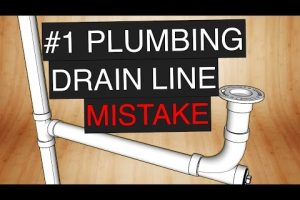
Wastewater and sewage leave your building through underground drain pipes that rely on gravity to move effluent toward a municipal sewer main or a septic system. These lines are usually larger in diameter than supply lines and require precise slope calculations — typically a minimum of one-quarter inch per foot — to ensure consistent flow and prevent clogs. Common materials include PVC, ABS, and cast iron, depending on local building codes and application.
Ground-Level Irrigation and Landscape Plumbing

Irrigation systems for lawns, gardens, and landscaping are another form of ground plumbing. These networks of drip lines, sprinkler heads, and control valves are buried just a few inches below the surface. While they operate at lower pressure than supply or sewer lines, they still require proper planning, backflow prevention devices, and winterization procedures to avoid damage and water waste.
Materials Used in Ground Plumbing
Choosing the right material is one of the most critical decisions in any underground plumbing project. The wrong choice can lead to premature failure, costly replacements, and environmental damage. Here is a breakdown of the most widely used materials for ground plumbing applications.
- PVC (Polyvinyl Chloride): Lightweight, affordable, and highly resistant to corrosion and chemical buildup. PVC is the go-to choice for underground sewer and drain lines in most residential applications.
- HDPE (High-Density Polyethylene): Flexible, leak-resistant, and ideal for both supply and drainage applications. HDPE pipes are welded together using heat fusion, creating joints that are as strong as — or stronger than — the pipe itself.
- Copper: Extremely durable and resistant to bacteria growth, copper is often used for pressurized water supply lines buried underground. However, it is more expensive than plastic alternatives and can be vulnerable to soil acidity.
- Cast Iron: Historically the standard for sewer lines, cast iron offers excellent noise dampening and structural strength. It is still found in older properties and remains code-approved in many jurisdictions.
- PEX (Cross-Linked Polyethylene): Flexible and easy to install, PEX is gaining popularity for buried supply lines, especially in cold climates where its ability to expand slightly helps resist freeze damage.
Comparison Table: Ground Plumbing Materials

| Material | Typical Use | Durability | Cost | Frost Resistance |
| PVC | Sewer and drain lines | High (50+ years) | Low | Moderate |
| HDPE | Supply and drainage | Very High (50–100 years) | Medium | High |
| Copper | Potable water supply | Very High | High | Moderate |
| Cast Iron | Sewer and vent lines | Very High | Medium-High | Low |
| PEX | Underground supply lines | High (40–50 years) | Low-Medium | High |
Step-by-Step Ground Plumbing Installation Process
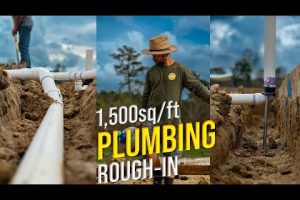
Installing ground plumbing is not a weekend DIY project for most homeowners. It requires knowledge of local codes, excavation equipment, pipe-laying techniques, and pressure testing procedures. Here is a high-level overview of how professionals typically approach a buried plumbing installation.
- Site Survey and Planning: A licensed plumber or contractor surveys the property, identifies the route for each pipe run, and marks utility lines to avoid accidental strikes during excavation.
- Trenching: Excavation equipment is used to dig trenches to the required depth — typically 12 to 48 inches depending on the pipe type, local frost line, and traffic load above.
- Bed Preparation: A layer of sand or gravel is laid at the bottom of the trench to provide a stable, non-abrasive base for the pipes and to facilitate drainage around them.
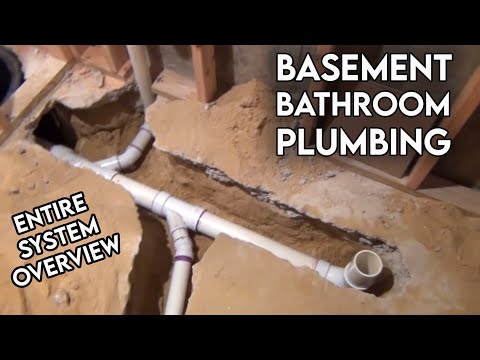
- Pipe Laying and Connection: Pipes are carefully lowered into the trench, aligned, and joined using appropriate methods — solvent cement for PVC, heat fusion for HDPE, or compression fittings for copper and PEX.
- Pressure Testing: Before backfilling, supply lines are pressurized and tested for leaks. Drain lines are typically flow-tested to confirm proper slope and unobstructed passage.
- Backfill and Compaction: The trench is filled with approved material and compacted in layers to prevent settling that could stress or misalign pipes.
- Inspection: Most jurisdictions require a municipal or third-party inspection before the trench is fully closed and any paving, landscaping, or concrete is restored over the installation.
Common Ground Plumbing Problems and How to Fix Them
Even the best-installed underground plumbing systems can develop problems over time. Here are the most frequent issues homeowners encounter and practical solutions for each.
- Root Intrusion: Tree roots are naturally attracted to moisture and can infiltrate pipe joints, causing blockages and structural damage. Hydro-jetting and pipe lining are effective remediation methods, and planting trees at a safe distance from pipe routes helps prevent recurrence.
- Pipe Corrosion: Older cast iron and copper pipes can corrode from the inside out, especially in acidic soil conditions. Trenchless pipe replacement or relining techniques minimize yard disruption during repairs.
- Frozen Pipes: In colder regions, supply lines that are not buried below the frost line can freeze during winter. Adding insulation, heat tape, or rerouting pipes to deeper trenches resolves this problem.
- Settling and Ground Shift: Over time, soil erosion, heavy rainfall, or construction activity can cause pipes to shift, crack, or disconnect. Regular video inspections of underground lines can catch these issues early.
- Joint Failure: Poorly executed joints are the leading cause of underground leaks. Using certified fittings and following manufacturer installation guidelines dramatically reduces this risk.
Expert Tips for Long-Lasting Ground Plumbing
After years of working with underground systems, experienced plumbers agree on several best practices that extend the lifespan of ground plumbing and reduce the likelihood of expensive surprises.
- Always install a backflow preventer on supply lines connected to irrigation systems to protect your potable water from contamination.
- Use trench boxes or shoring when excavating near existing structures to prevent cave-ins and ensure worker safety.
- Keep detailed records of pipe locations, materials, and installation dates. These records are invaluable when future repairs or renovations require excavation.
- Schedule a professional camera inspection of your underground sewer line every two to three years to catch cracks, root intrusion, or grease buildup before they become emergencies.
- When replacing old cast iron sewer lines, consider upgrading to PVC or HDPE. These modern materials are lighter, smoother on the inside (reducing buildup), and far more resistant to root penetration.
- Never bury pipes without checking local building codes and obtaining the necessary permits. Unpermitted work can lead to fines, failed inspections, and voided insurance claims.
How to Choose the Right Ground Plumbing Contractor
Not every plumber has the expertise or equipment to handle buried pipe systems. When selecting a contractor for ground plumbing work, look for the following qualifications:
- A valid, state-issued plumbing license with experience in underground installations
- Proper insurance coverage, including liability and workers’ compensation
- Access to trenchless technology, directional boring equipment, and pipe inspection cameras
- Positive references and a track record of completed projects similar to yours
- Knowledge of local soil conditions, frost depths, and municipal codes
A qualified contractor will walk you through every step of the process, explain material options in plain language, and provide a written scope of work before breaking ground. Do not hesitate to ask for proof of licensing and insurance — reputable professionals welcome transparency.
FAQs About Ground Plumbing
How deep should ground plumbing pipes be buried?
The required burial depth depends on the pipe type, local climate, and intended use. In most residential applications, supply lines should be buried at least 12 to 18 inches below the frost line, while sewer lines typically require a minimum depth of 24 inches. Always consult your local building authority for specific depth requirements in your area.
What is the best pipe material for underground water supply?
HDPE and PEX are widely considered the best choices for buried water supply lines due to their flexibility, corrosion resistance, and long lifespan. Copper remains an excellent option but comes at a higher cost. PVC is generally reserved for non-pressurized drain and sewer applications.
Can I use trenchless methods to repair underground plumbing?
Yes. Trenchless repair techniques such as pipe bursting, cured-in-place pipe (CIPP) lining, and directional drilling allow contractors to replace or rehabilitate buried pipes with minimal excavation. These methods are especially useful when pipes run beneath driveways, sidewalks, or landscaping features.
How do I know if my underground plumbing has a leak?
Common signs of an underground plumbing leak include unexplained increases in your water bill, soggy or unusually green patches in your yard, faint sounds of running water when all fixtures are off, and foundation cracks near buried pipe routes. A professional pressure test or camera inspection can confirm the location and severity of the leak.
How long does underground plumbing typically last before needing replacement?
With proper installation and maintenance, most ground plumbing materials last 50 to 100 years. PVC and HDPE sewer lines can exceed 75 years, while copper supply lines often last a lifetime. Cast iron lines installed in older homes may need replacement after 50 to 75 years due to internal corrosion and mineral buildup.
Is it expensive to replace underground plumbing?
The cost varies significantly based on the scope of the project, pipe material, depth of burial, and accessibility of the trench. On average, homeowners can expect to pay between $1,500 and $5,000 for a typical underground supply line replacement, while full sewer line replacement can range from $3,000 to $15,000 or more. Trenchless methods tend to be slightly more expensive upfront but save money on landscape restoration and labor costs.
Conclusion
Ground plumbing is a critical, often overlooked component of every building’s infrastructure. From the materials you choose and the depth at which you bury pipes to the maintenance routines you follow, every decision you make about your underground system impacts its performance, longevity, and cost-effectiveness for decades to come. Whether you are planning a new construction project, dealing with a stubborn leak, or simply trying to understand the systems beneath your property, the knowledge outlined in this guide will help you make informed decisions and work confidently with qualified professionals. Treat your ground plumbing with the respect it deserves, and it will reliably serve your home or business for generations.