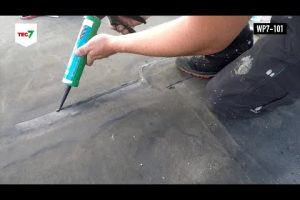
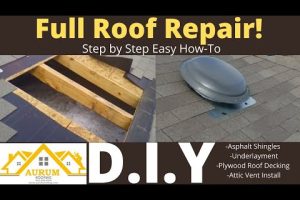
When water starts pooling on your flat roof or you notice cracks forming along the seams, finding a reliable flat roof repair company becomes an urgent priority. Unlike pitched roofs that shed water naturally, flat roofing systems demand specialized knowledge, materials, and installation techniques to remain watertight and structurally sound. Whether you own a commercial building, a residential home with a low-slope design, or a mixed-use property, the contractor you choose will directly impact the longevity of your entire roofing system. This guide covers everything you need to know about selecting, evaluating, and working with flat roof repair specialists—from understanding the most common damage patterns to comparing cost estimates and avoiding expensive mistakes that inexperienced crews often make.
What to Look for When Choosing Flat Roof Repair Companies
Not every roofing contractor is equipped to handle the unique challenges of flat roofing systems. Before you hire a flat roof repair company, evaluate them based on several critical factors that separate qualified professionals from generalists who may lack the necessary expertise.
Licensing, Insurance, and Certifications
Always verify that your prospective contractor holds a valid roofing license in your state or municipality. Beyond licensing, confirm they carry both general liability insurance and workers’ compensation coverage. This protects you from financial liability if a worker is injured on your property or if accidental damage occurs during the repair process. Look for manufacturers’ certifications as well—companies certified by leading membrane manufacturers like GAF, CertainTeed, or Carlisle often demonstrate a higher standard of workmanship and access to premium materials.
Experience with Your Specific Roofing Membrane

Flat roofs come in several material types, including built-up roofing (BUR), modified bitumen, single-ply membranes (EPDM, TPO, PVC), and spray polyurethane foam (SPF). A skilled flat roof repair company will have hands-on experience working with the specific membrane installed on your building. A contractor who specializes only in shingle roofing may not understand the nuances of heat-welded TPO seams or the proper adhesive application techniques required for EPDM systems.
Warranty Offerings and Workmanship Guarantees
Reputable companies stand behind their repairs with written warranties. These can range from one year on labor to lifetime warranties on materials and installation, depending on the scope of work. Be wary of companies that offer no written guarantee—this often signals a lack of confidence in their own craftsmanship.
Common Flat Roof Problems That Require Professional Repair
Flat roofs face distinct challenges compared to their sloped counterparts. Understanding these problems helps you identify damage early and seek timely professional intervention before minor issues escalate into costly full-replacement scenarios.
- Water Ponding and Poor Drainage: Standing water is the number one enemy of flat roofing systems. When drains become clogged or the roof deck settles unevenly, water accumulates and accelerates membrane deterioration, leading to leaks and structural compromise.
- Membrane Blisters and Cracks: Over time, UV exposure and thermal cycling cause the roofing membrane to expand and contract, resulting in blisters, splits, and surface cracks that allow moisture infiltration.
- Seam Separation: Particularly in single-ply systems, the seams between roofing sheets can separate due to improper installation, thermal movement, or foot traffic, creating direct pathways for water entry.
- Flashings and Edge Damage: Flashing around vents, HVAC units, parapets, and roof edges is especially vulnerable. Failed flashings account for the majority of flat roof leaks reported by property owners.
- Ponding Insulation and Deck Damage: When water remains trapped within insulation layers for extended periods, it compromises the thermal performance of the roof and can lead to rot, mold, and structural deck failure.

Types of Flat Roof Repair Services Offered by Professional Companies
Flat roof repair companies typically offer a range of services tailored to different damage levels and roofing materials. Understanding what each service entails helps you make informed decisions about which repairs are necessary and which can be deferred.
- Patch Repairs: For localized damage such as punctures or small tears, contractors apply compatible patch materials over the affected area. This is the most affordable and fastest repair option, typically completed within hours.
- Seam Reinforcement: When seams are separating or showing signs of failure, technicians re-weld or re-adhere the seam using specialized equipment compatible with the existing membrane type.
- Full Membrane Replacement: For roofs with extensive damage or aging systems nearing end-of-life, a full tear-off and replacement may be the most cost-effective long-term solution.
- Roof Coating and Restoration: Many repair companies offer elastomeric coating systems that extend the life of an existing flat roof by five to ten years. This is an excellent alternative to full replacement for roofs with minor-to-moderate wear.
- Drainage Improvement: Addressing chronic ponding issues by installing internal drains, scuppers, or tapered insulation systems to restore proper water flow.
Flat Roof Repair Cost Comparison
Understanding the cost landscape helps you budget appropriately and avoid overpaying for unnecessary work. The following table compares common repair types, their average costs, and factors that influence pricing.
| Repair Type | Average Cost Range | Duration | Best For | |
| Patch Repair | $300 – $1,200 | 1–4 hours | Small punctures, localized leaks | |
| Seam Reinforcement | $500 – $2,500 | 4–8 hours | Separated or failing seams | |
| Flashing Replacement | $800 – $3,500 | 1–2 days | Failed perimeter or penetrations | |
| Coating & Restoration | $1.50 – $4.00 per sq ft | 2–4 days | Aging roofs with moderate wear | |
| Full Membrane Replacement | $5.00 – $12.00 per sq ft | 3–7 days | Extensive damage or end-of-life systems |
Several factors influence the final cost of flat roof repair services, including the size of the roof, the type of membrane, accessibility for equipment, local labor rates, and the extent of underlying deck damage discovered during the repair process. Always request detailed written estimates from at least three different flat roof repair companies to ensure competitive pricing and transparent scope-of-work documentation.
How to Choose the Right Flat Roof Repair Contractor
Selecting the right company for your flat roof repair project involves more than just comparing prices. Follow these expert recommendations to find a contractor who delivers quality work and long-lasting results.
- Check References and Online Reviews: Look for patterns in customer feedback. A company with consistently positive reviews across multiple platforms (Google, BBB, Yelp) is more likely to deliver a satisfactory experience. Pay attention to how the company handles complaints, as this reflects their professionalism.
- Request Proof of Past Projects: Ask for photos of completed repairs and, if possible, references from previous clients with similar roofing systems. A reputable flat roof repair company will have no hesitation providing this documentation.
- Get Detailed Written Estimates: Avoid companies that provide vague verbal quotes. A professional estimate should include a scope of work, materials specifications, timeline, payment schedule, and warranty details in writing.
- Ask About Their Repair Process: A knowledgeable contractor will walk you through their approach, including how they identify the source of leaks, prepare surfaces, and ensure long-term adhesion and waterproofing. If a contractor rushes through this explanation, consider it a red flag.
- Verify Warranties Upfront: Confirm that both materials and labor carry separate warranties and that these are documented in your contract. This protects you if issues arise after the repair is completed.
Frequently Asked Questions About Flat Roof Repair Companies
How long does a typical flat roof repair take to complete?
The duration depends on the scope and type of repair. Patch repairs and seam reinforcements can often be completed in a single day, while full membrane replacements or coating applications may require three to seven days. Weather conditions also play a significant role, as most roofing adhesives and coatings require dry conditions to cure properly. A reputable flat roof repair company will provide you with a realistic timeline during the initial assessment and keep you informed of any schedule changes throughout the project.
Can I repair my flat roof myself instead of hiring a company?
While minor patch repairs may seem like a manageable DIY project, flat roof work carries significant risks and technical challenges. Improper repairs can void manufacturer warranties, trap moisture beneath the membrane, and accelerate the deterioration of your roofing system. Professional flat roof repair companies bring specialized tools, manufacturer-certified materials, and the expertise needed to ensure repairs are performed correctly the first time, saving you money and headaches in the long run.
What is the average lifespan of a flat roof before major repairs are needed?
Flat roof longevity varies significantly by material type. EPDM membranes typically last 25 to 30 years, TPO and PVC systems last 20 to 25 years, built-up roofing can endure 20 to 30 years with proper maintenance, and spray foam roofs can last 30 to 40 years when properly maintained. Regular professional inspections—ideally twice a year and after major storms—can extend your roof’s lifespan and help identify repair needs before they become catastrophic failures.
How do I know if my flat roof needs repair or full replacement?
The decision between repair and replacement depends on the extent and frequency of damage. If your roof experiences recurring leaks in multiple locations, shows widespread membrane deterioration, has significant ponding issues that cannot be resolved through drainage improvements, or has exceeded half of its expected lifespan, replacement may be the more practical and economical choice. A qualified flat roof repair company can perform a comprehensive assessment and provide an honest recommendation based on the condition of your specific roofing system.
What maintenance steps can reduce the need for frequent flat roof repairs?
Proactive maintenance is the most effective way to minimize repair costs and extend your flat roof’s service life. Key maintenance steps include clearing drains and gutters of debris at least twice a year, trimming overhanging tree branches that drop debris and create abrasive wear, promptly addressing any ponding water issues, scheduling semi-annual professional inspections, and applying a protective roof coating every 5 to 7 years to shield the membrane from UV degradation and thermal stress.
Conclusion
Choosing the right flat roof repair company is one of the most consequential decisions you can make for your property’s long-term value and structural integrity. By understanding what to look for in a contractor, recognizing common flat roof problems early, and knowing what reasonable repair costs and timelines look like, you position yourself to make confident, informed decisions. Take the time to vet multiple candidates, request detailed written estimates, and prioritize companies with proven experience in your specific roofing material. The investment you make in finding a skilled, trustworthy repair partner today will pay dividends in the form of fewer emergency calls, lower long-term maintenance costs, and a roofing system that protects your property for decades to come.