Keeping a christmas tree looking its best throughout the holiday season requires more than just grabbing a stand and filling a water reservoir. Whether you have a fresh-cut spruce, a fragrant Douglas fir, or a living potted tree, the way you prepare, position, and maintain it determines everything from needle retention to fire safety. This comprehensive guide covers every aspect of christmas tree care, from beginner fundamentals to advanced preservation techniques that experienced tree enthusiasts swear by. If you have ever wondered why your tree dropped needles within weeks or how to keep it vibrant until New Year’s Day, the answers are right here.
Choosing the Right Christmas Tree for Your Home
Not all christmas trees are created equal when it comes to care requirements. The species you choose directly impacts how much maintenance it needs and how long it will hold up indoors. Fresh-cut firs like the Fraser fir and Balsam fir are renowned for excellent needle retention and rich fragrance, making them favorites among families. Spruce varieties, including the Norway spruce and Colorado blue spruce, offer a classic traditional look but tend to drop needles faster if humidity drops indoors. Pine trees such as the White pine and Scotch pine are softer to the touch and generally shed less, though they lack the sturdy branching structure of firs.
When shopping for a tree, run your hand along the branches against the grain of the needles. Healthy trees should shed only a minimal number of needles. Avoid any tree with brown tips, brittle branches, or a dry, papery bark. A freshly cut trunk should feel moist and resinous, not cracked or hollow. If you are purchasing from a lot rather than a tree farm, ask the seller when the tree was cut. Ideally, it should have been harvested within the past 24 hours.
| Species | Needle Retention | Fragrance | Branch Strength |
| Fraser Fir | Excellent | Moderate, citrusy | Very strong |
| Balsam Fir | Excellent | Strong, classic | Strong |
| Norway Spruce | Fair | Moderate | Moderate |
| Colorado Blue Spruce | Good | Mild | Sturdy |
| White Pine | Very good | Mild | Flexible |
| Scotch Pine | Very good | Moderate | Strong |
Preparing Your Christmas Tree Before Setup
One of the most overlooked steps in real christmas tree maintenance is what you do before the tree ever touches the stand. Preparation sets the foundation for everything that follows.
Fresh-Cut vs. Pre-Cut Trees

Trees purchased from tree farms where you cut it yourself offer the freshest possible start. The cambium layer — the living tissue just beneath the bark — remains fully functional, allowing the tree to absorb water efficiently. Pre-cut trees from lots and supermarkets have been severed hours or even days earlier, meaning the exposed trunk has begun to seal over with resin. This seal prevents water uptake and dramatically shortens the tree’s indoor lifespan.
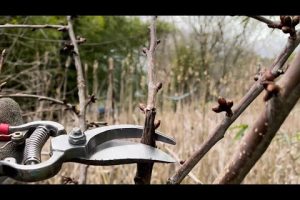
To counteract this, always re-cut the trunk before placing it in the stand. Use a handsaw or hatchet to remove approximately half an inch to one inch from the base of the trunk at a straight, perpendicular angle. Make this cut as close to setup time as possible — ideally within 30 minutes of placing the tree in water. Waiting too long allows the trunk to seal again, negating the benefit of the fresh cut.
Tree Stand Selection

The stand you choose is just as important as the tree itself. A quality christmas tree stand should hold at least one gallon of water for every inch of the trunk’s diameter. Cheap, small stands with inadequate water reservoirs cause the base to dry out within hours, triggering irreversible needle loss. Look for stands with a universal tree spike or a sturdy screw-based mount that grips the trunk securely without cracking it.
- Measure your tree trunk diameter before shopping for a stand.
- Choose a stand with a water capacity of at least one quart per inch of trunk diameter.
- Avoid stands with exposed metal spikes that can damage the trunk.
- Consider stands with a built-in reservoir indicator so you can monitor water levels easily.
Setting Up Your Christmas Tree Properly
Placement matters more than most people realize. The location you choose for your tree affects its moisture loss rate, needle retention, and even your household’s safety. Position the tree away from direct heat sources such as radiators, forced-air vents, fireplaces, and space heaters. Hot, dry air accelerates moisture evaporation from the needles, causing them to brown and fall prematurely.
Place your tree in a cool area of the home, ideally where indoor temperatures stay below 70°F (21°C). Northern-facing rooms or rooms with moderate, consistent temperatures are ideal. If your home is particularly dry during winter, consider running a humidifier nearby to maintain ambient humidity between 40 and 50 percent.
Daily and Weekly Christmas Tree Maintenance
Once your tree is standing, consistent care becomes your primary responsibility. The single most impactful maintenance habit is keeping the water level above the tree base at all times. A fresh tree can absorb over a quart of water per day during the first week. Letting the water drop below the cut surface causes the trunk to reseal, and once this happens, no amount of refilling will restore water uptake.
Watering Techniques That Make a Difference
Do not add sugar, bleach, aspirin, or commercial tree preservatives to the water — despite popular home remedies. Research from university forestry departments consistently shows that plain, clean tap water is the most effective solution. The key is volume and consistency. Check the water level every morning and evening, especially during the first seven to ten days after setup.
- Check the water reservoir twice daily during the first week.
- Refill promptly whenever the level drops below the trunk base.
- Use room-temperature water rather than cold water from the tap.
- Never let the reservoir run dry, even for a few hours.
For households with pets or small children, consider a tree water cover or skirt to prevent contamination. Drinking tree stand water can expose animals and children to bacteria or preservatives that may have been used on the tree before purchase.
Keeping Your Tree Healthy Longer: Advanced Tips
Humidity and Temperature Control
Advanced christmas tree care involves managing your home’s microenvironment. Dry indoor air, a common problem during winter heating seasons, is the number one enemy of needle retention. A portable cool-mist humidifier placed near the tree can reduce needle drying by up to 30 percent compared to trees in dry rooms. Monitor indoor humidity with a hygrometer and aim to keep levels above 40 percent.
Temperature fluctuations also stress the tree. Avoid placing it near exterior doors that open frequently to cold outdoor air. Each exposure to freezing temperatures followed by warm indoor air causes the needles to lose moisture rapidly. If you have a garage or porch where the tree can acclimate gradually before being brought into the warm living room, take advantage of that transition period.
Lighting and Heat Management
When decorating, choose LED Christmas lights over traditional incandescent bulbs. LED strands produce a fraction of the heat, reducing needle desiccation and lowering fire risk. Always turn off the lights before going to bed or leaving the house. Even energy-efficient LEDs generate some warmth over extended periods, and combined with dry indoor air, they can accelerate browning on the tree’s inner branches.
| Tip | Impact on Tree Longevity |
| Re-cut trunk before setup | Restores water absorption capacity |
| Keep water level above trunk base | Prevents trunk sealing and dehydration |
| Use LED lights only | Reduces heat damage by up to 90 percent |
| Maintain indoor humidity above 40% | Slows needle drying significantly |
| Avoid heat sources | Prevents uneven browning and premature drop |
| Keep room temperature below 70°F | Reduces moisture loss rate |
Signs Your Tree Needs Immediate Attention
Even with the best care, trees can deteriorate. Watch for these warning signs that indicate your tree is struggling: widespread browning on the outermost branches, a significant increase in needle drop when you gently shake the trunk, a sour or fermented smell from the water reservoir, or visible mold on the bark or water surface. If you notice any of these issues, it may be too late to save the tree, but early intervention can extend its life by days or even weeks.
If the trunk has sealed over and water uptake has stopped, you can try a second cut — removing another inch from the base and placing the tree in a fresh water reservoir immediately. This works only if the seal is recent. If resin has fully hardened, the tree will likely not recover its water absorption ability.
Frequently Asked Questions About Christmas Tree Care
How long does a real Christmas tree last indoors with proper care?
A well-maintained fresh-cut christmas tree can last between three and five weeks indoors, and sometimes longer depending on the species and your home environment. Fraser firs and Balsam firs often hold up the longest, while spruces tend to decline faster. The critical factor is consistent watering from the moment the tree is set up.
Can you use boiling water in a Christmas tree stand to help it absorb water faster?
Some gardeners suggest pouring boiling water over the fresh-cut trunk to melt any resin and open the xylem vessels for water uptake. While there is limited scientific evidence supporting this method, many experienced tree owners report that it helps. Use boiling water only immediately after the fresh cut and refill the reservoir with room-temperature water afterward. Do not pour boiling water repeatedly, as this can damage the stand or scorch your flooring.
What is the best way to prevent needle drop on a Christmas tree?
The best strategies include re-cutting the trunk, using a large-capacity stand, keeping the water reservoir full at all times, maintaining indoor humidity above 40 percent, using only LED lights, and keeping the tree away from heat sources. Combining all of these practices will give you the best possible needle retention throughout the holiday season.
Should you spray your Christmas tree with water or leaf spray to keep it fresh?
Misting the tree with water using a spray bottle can provide temporary surface moisture and does not harm the tree, but it does not replace the need for water absorption through the trunk. Commercial anti-transpirant sprays are sometimes used by professionals to reduce moisture loss from the needles, but they are not necessary for most homeowners. Consistent trunk watering remains far more effective than any surface spray.
How do you dispose of a Christmas tree after the holidays sustainably?
Check with your local municipality for christmas tree recycling programs, many of which turn trees into mulch or compost. Some communities offer curbside pickup in the weeks following the holidays. You can also place the tree in your backyard as a natural wildlife habitat or submerge it in a pond if you live near one. Never burn a fresh tree in a fireplace, as the high resin content in conifer wood creates excessive creosote buildup and poses a serious fire hazard.
Final Thoughts on Christmas Tree Care
Caring for a christmas tree is not complicated, but it does demand consistent attention to a few key variables: water, temperature, humidity, and light choices. The trees that last well into January are not luckier — they simply benefit from owners who understand the science behind moisture retention and act on it daily. Whether you are a first-time tree buyer or a holiday veteran, applying these practices will transform your experience and help you enjoy a beautiful, fragrant, and safe tree all season long. Start with a fresh cut, keep the water flowing, and give your tree the cool, humid environment it craves, and it will reward you with a stunning display that carries you from the first festive lights in December all the way through to the last celebration of the new year.